





























































Excavation at ancient city uncovers a 2,000-year-old mosaic
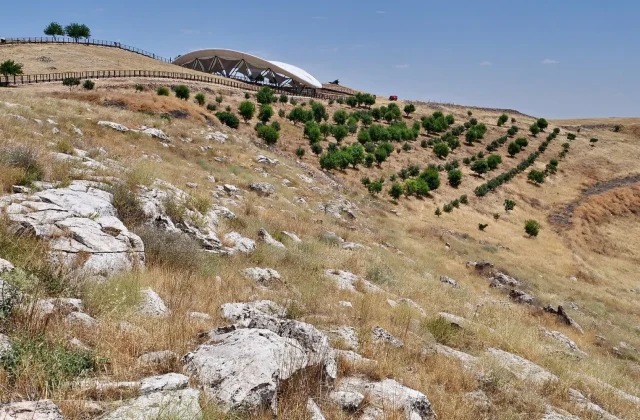
Excavations at an ancient city on the Aegean have revealed a 2,000-year-old floor mosaic depicting scenes from mythology. Archaeologists say the find will shed new light on the region's history.
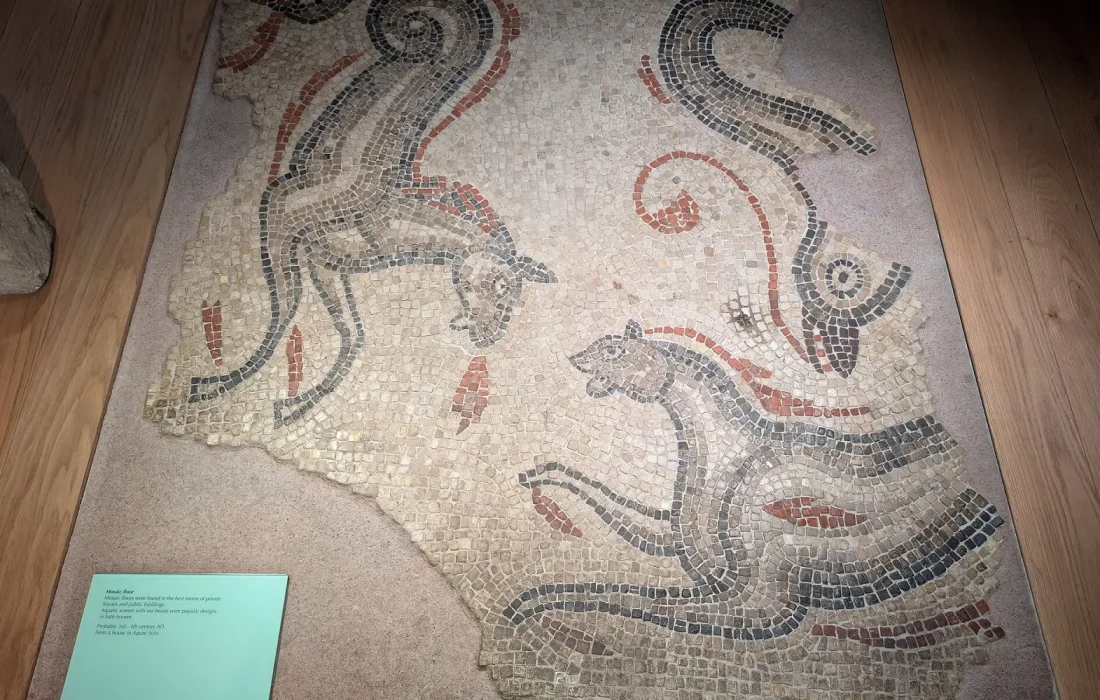
Table of contents
This summer's excavations at an ancient city on the Aegean coast ended with an extraordinary discovery. In the floor of a building believed to have belonged to a wealthy Roman villa, archaeologists uncovered a mosaic about two thousand years old depicting mythological scenes. Covering more than 1,000 square feet, the mosaic amazed specialists with its vivid colors and fine craftsmanship. The head of the excavation said the find offers important clues about the city's wealth in the Roman period.
The story of the discovery
The discovery came while the excavation team was checking the ground at an unexpected spot. The first colored stones, visible just a few centimeters below the surface, quickly prompted the team to work more carefully. After weeks of painstaking brushwork, the full size of the mosaic emerged. Members of the team describe that day as one of the most exciting of their lives.
The mosaic is thought to have adorned the main hall of a Roman villa. Although little of the building's walls remains, the floor has survived with remarkable integrity. The head of the excavation said this is most likely because it was quickly buried after an earthquake. The site is closed to visitors for now while specialists carry out careful documentation.
Every stone that comes out of the ground tells us about a forgotten life.
Mark Ellison
What does the mosaic depict?
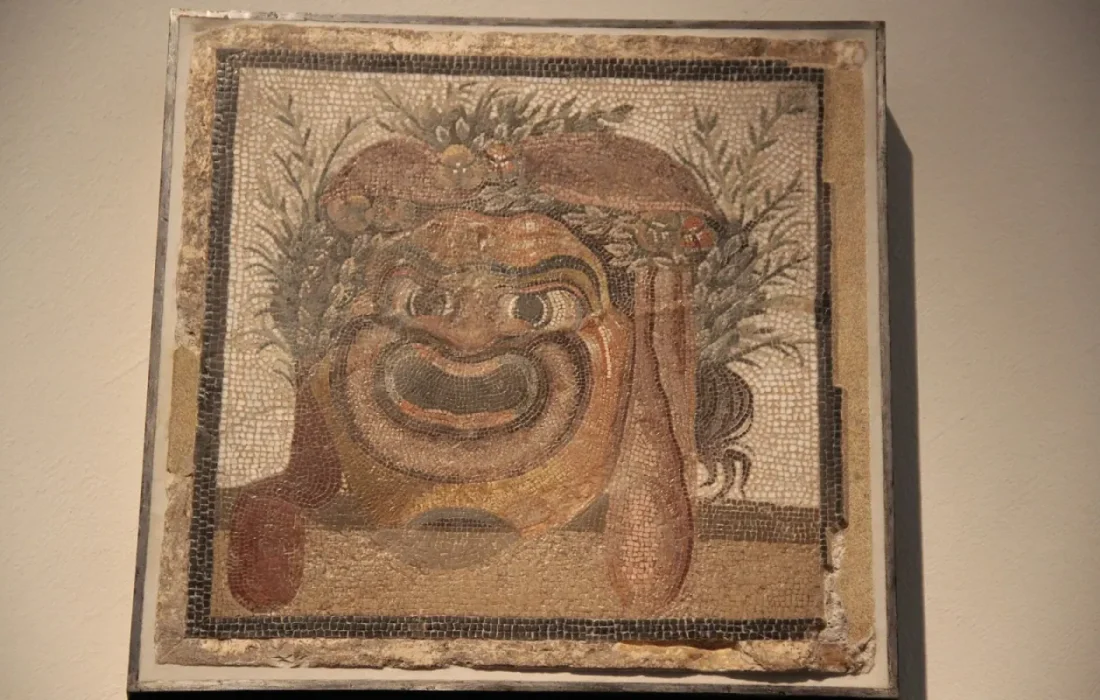
The mosaic depicts a mythological scene: divine figures gathered at the water's edge, fish and young women carrying garlands. The figures' facial features and the folds of their clothing are rendered in tiny pieces of stone. Specialists were especially impressed by how the craftsmen used marble and colored stone in different tones to create shading. In some areas, the stones are less than a centimeter across, a testament to the meticulous workmanship.
The geometric border around it has an elegance of its own. Repeating wave motifs and leaf patterns reflect the villa owner's taste and wealth. Archaeologists say similar mosaics have been found in only a handful of ancient cities, which makes the find extremely valuable for comparative study. Work to decipher a small inscription on the mosaic is ongoing.
Conservation and restoration
Conservation work began immediately to keep the mosaic safe. Specialists first gently cleaned the surface, then applied a special protective layer to support the floor. A temporary cover was put up against sun and rain. Restoration experts say a full intervention will only be planned once the site has been completely documented. They stress that the process demands patience and that any rushed intervention could cause irreversible damage.
| Topic | History |
|---|---|
| Highlights | archaeology, museum, architecture |
| Reading time | 6 minutes |
| Written by | Mark Ellison |
Key takeaways
- The excavation uncovered a floor mosaic with mythological scenes covering more than 1,000 square feet.
- The mosaic may belong to the main hall of a Roman villa.
- The site is closed for now; a protective roof and viewing platform are planned.
The long-term goal is to conserve the mosaic in place and open it to visitors. A protective roof and a viewing platform are being designed for that purpose. Local authorities and museum officials believe the work could take years but will ultimately give the ancient city a new attraction. The excavation team, meanwhile, plans to explore the villa's other rooms next season.
What do you think about this post?
Leave a comment