






























































A weekend in Mardin: Stone houses, monasteries and filigree workshops
We spent two days in the stone streets overlooking the Mesopotamian plain. Here is our culture trail, from museums to silver filigree workshops.
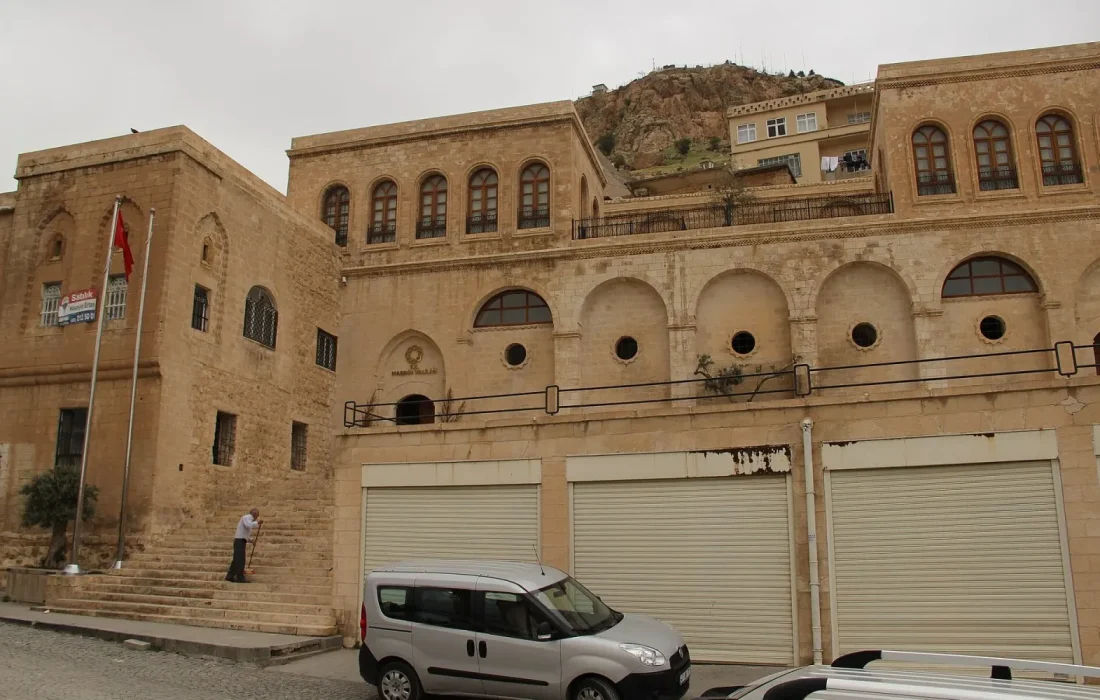
Table of contents
With its honey-colored stone houses and views over the Mesopotamian plain, Mardin is one of those cities that carry you to another time the moment you arrive. On our two-day culture trail, we explored madrasas and churches tucked among narrow lanes and museums that tell the city's history. On the road to Midyat, we visited monasteries that have stood for centuries and watched up close as filigree masters worked fine silver wire. In this article, you will also find practical travel and accommodation tips for anyone planning a short Mardin getaway.
Day one among the stone houses
We began our route in Mardin's old bazaar. Walking through the narrow, stepped lanes, you notice that behind every door lies a courtyard or a piece of carved stone from a different era. Looking out over the Mesopotamian plain from the terraces of the stone houses was one of the most striking moments of the day. A lunch of the warm flavors of the local cuisine made the trip even better.
With exhibitions telling the story of Mardin's many-layered past, the city museum is an essential stop on the route. You can see the shared traces of Syriac, Arab, Kurdish and Turkish cultures side by side. A tea break in the museum courtyard is ideal for gathering your thoughts on everything you have seen. In the late afternoon, the golden color the city takes on at sunset looks its best on the stone surfaces.
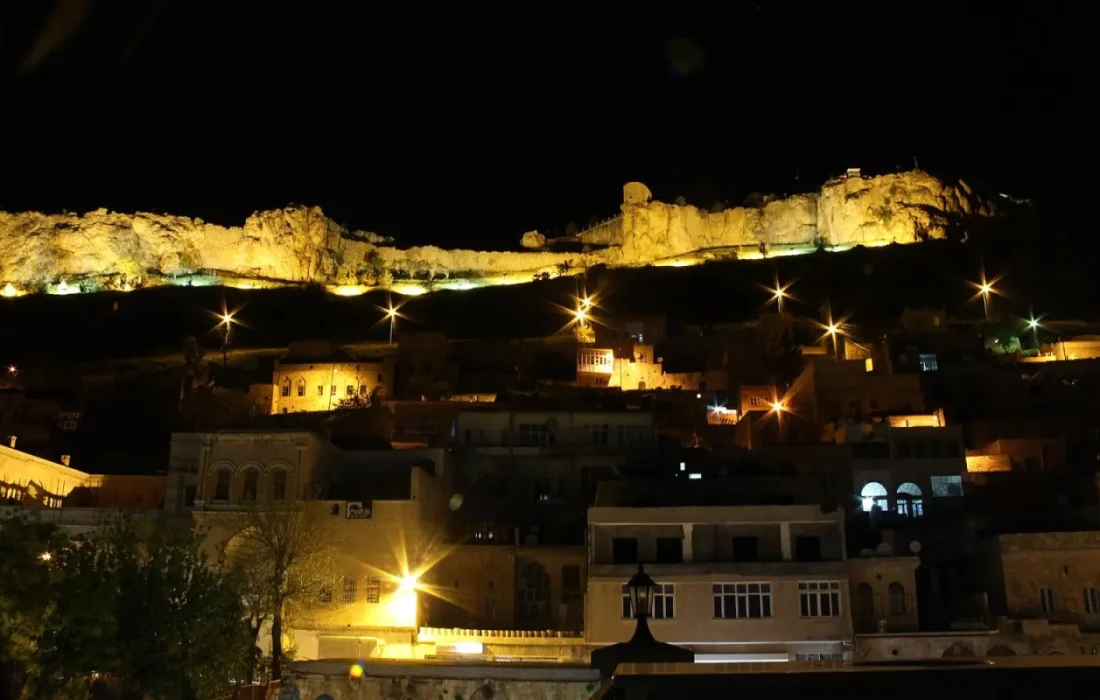
In Mardin, the stone gives back in the evening the light it gathered all day.
Mark Ellison
Monasteries and madrasas
The first stop on day two was a madrasa famous for its stonework. Its arcaded courtyard tells the story of the region's centuries-old building tradition. Next, we visited one of the historic churches, a reminder once again that places of worship should be visited respectfully. Staff offer visitors short historical talks. Keeping quiet during your visit and asking permission before taking photos are among the rules.
The monastery on the road to Midyat is a serene building rising from the middle of the plain. Our guide explained how, for centuries, the monastery was a center of learning and production. The carved decorations on the walls and the old tree in the courtyard carried us far away from time during our visit. We recommend allowing plenty of time for the monastery in your itinerary; it is not a place to rush.
In the filigree masters' workshops
Filigree is one of Mardin's best-known crafts. In a workshop inside the bazaar, a master chatted with us while heating fine silver wire over a flame and patiently shaping it. Explaining that a single small necklace can take hours, sometimes days, he was showing his apprentice how to twist the wire. Every step we watched in the workshop deepened our respect for handmade work.
| Topic | Culture Trails |
|---|---|
| Highlights | architecture, museum, photography |
| Reading time | 8 minutes |
| Written by | Mark Ellison |
Key takeaways
- The two-day route covers Mardin's stone streets, its museum and its madrasas.
- Allow plenty of time for the monastery on the road to Midyat.
- The filigree workshops offer a close look at the city's handcraft tradition.
As for practical tips, you can reach Mardin by plane or by road, and walking is the best way to get around the city. For accommodation, choosing the old town with its stone hotels pays off in both views and atmosphere. In summer, avoid the midday heat; in spring and autumn, bring a light jacket for the evenings. When shopping at the workshops, don't miss the chance to chat with the craftspeople.
What do you think about this post?

Leave a comment