























































Digital gold or physical gold? We put gold-backed tokens under the microscope
Crypto tokens backed by physical gold reserves are gaining attention with the promise of easier access to gold. We compared their benefits and risks in terms of custody, auditing and liquidity.

Table of contents
Gold has been used as a store of value for centuries, and blockchain technology has added a new dimension to this time-honored asset. Tokens backed by physical gold reserves let users own small amounts of gold and transfer it quickly in digital form. However, the reliability of these products depends heavily on how transparently the issuer manages its reserves and on independent audits. Compared with physical gold, there are important differences in custody, liquidity and legal protections. In this article, we examine both options from every angle.
What is a gold-backed token?
A gold-backed token is a crypto asset issued so that each unit corresponds to a specific amount of physical gold. The issuer mints tokens against gold bars held in its vaults. When users buy the token, they effectively gain indirect ownership of part of the gold in the vault, though the scope of that right depends on the terms.
With some products, users can request to redeem the token for physical gold, while with others only a cash sale is possible. This distinction determines the product's true nature. The convenience of owning gold in small amounts, by the gram for instance, and transferring the token to someone else within seconds stands out as the main appeal of these products. Even so, it should not be forgotten that trust in the issuer lies behind this convenience.
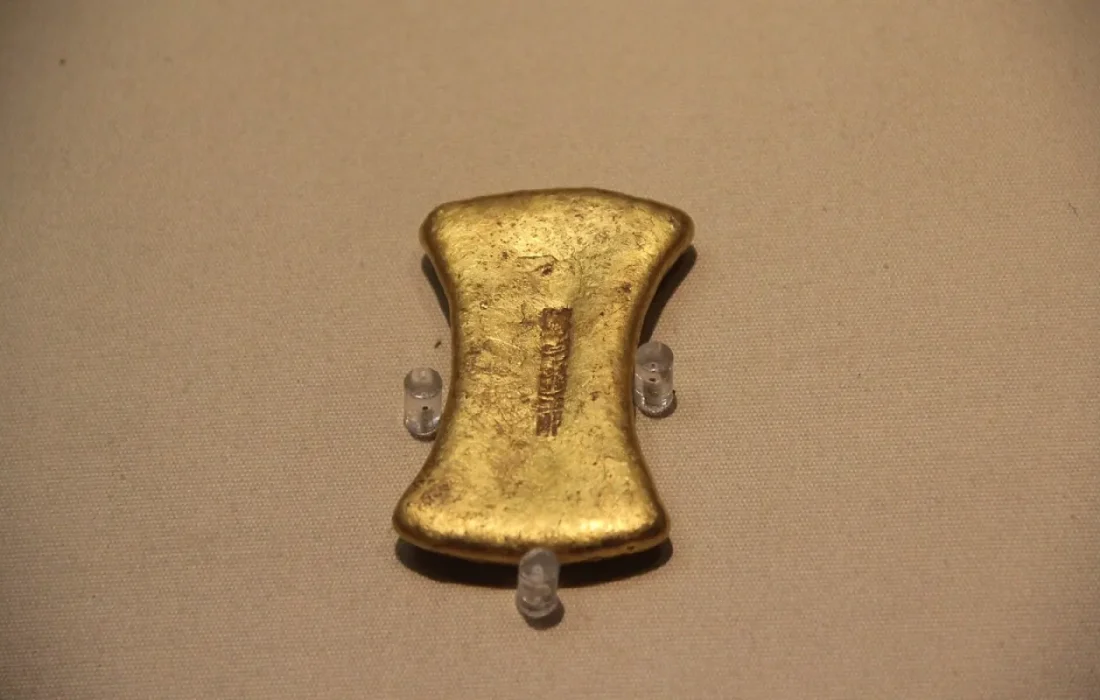
Digital gold is only worth as much as the transparency of the vault behind it.
Sarah Bennett
Reserve audits and trust
Reserve audits are at the heart of trust. The questions users should ask are: Where is the gold stored? Are the bars' serial numbers listed individually? How often does an independent auditor verify the reserves? If this information is regularly and easily accessible, the level of transparency is considered high. These questions can be answered from the issuer's website and audit reports before buying the product.
The terms should also clearly state what rights token holders have over the gold if the issuer goes bankrupt. If the legal structure is unclear, ownership rights can become contested even if the reserves exist. Regulators have begun to examine these products as a separate category, so it is important to check in which country and under what license the product is offered.
How it compares with physical gold
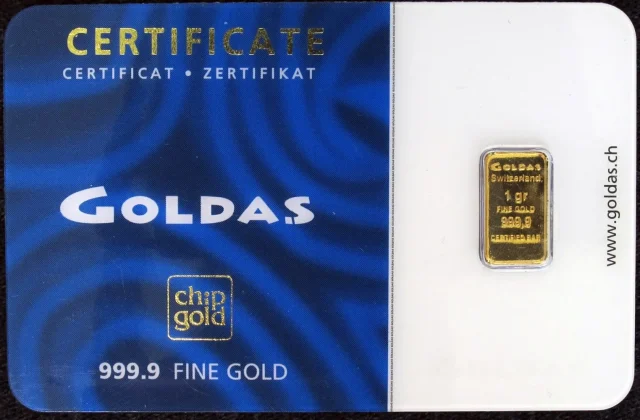
Compared with physical gold, digital options offer advantages in speed, divisibility and ease of storage. Physical gold, on the other hand, has strengths of its own: it is a tangible asset with no counterparty risk, and it stores value independently of the internet or any technical infrastructure. This difference can be decisive, particularly for long-term holding.
| Topic | Gold & FX |
|---|---|
| Highlights | gold, stablecoin, digital currency |
| Reading time | 7 minutes |
| Written by | Sarah Bennett |
Key takeaways
- A gold-backed token is issued to correspond to physical gold held in a vault.
- Independent reserve audits and ownership rights in the terms are the foundation of trust.
- Digital gold carries platform risk; physical gold brings storage costs and spreads.
With digital gold, additional issues arise, such as losing account access, platform risk, fees and tax treatment. With physical gold, secure storage, the spread and the risk of counterfeit products come to the fore. Which one is right depends on a person's goals, time horizon and risk tolerance. This article does not constitute investment advice.
What do you think about this post?

Leave a comment