

















From port to supermarket: A container’s digital journey on the blockchain
In supply chain projects, blockchain allows products to be traced from production to the shelf. We followed a single container's journey to explain the technology's role in logistics.
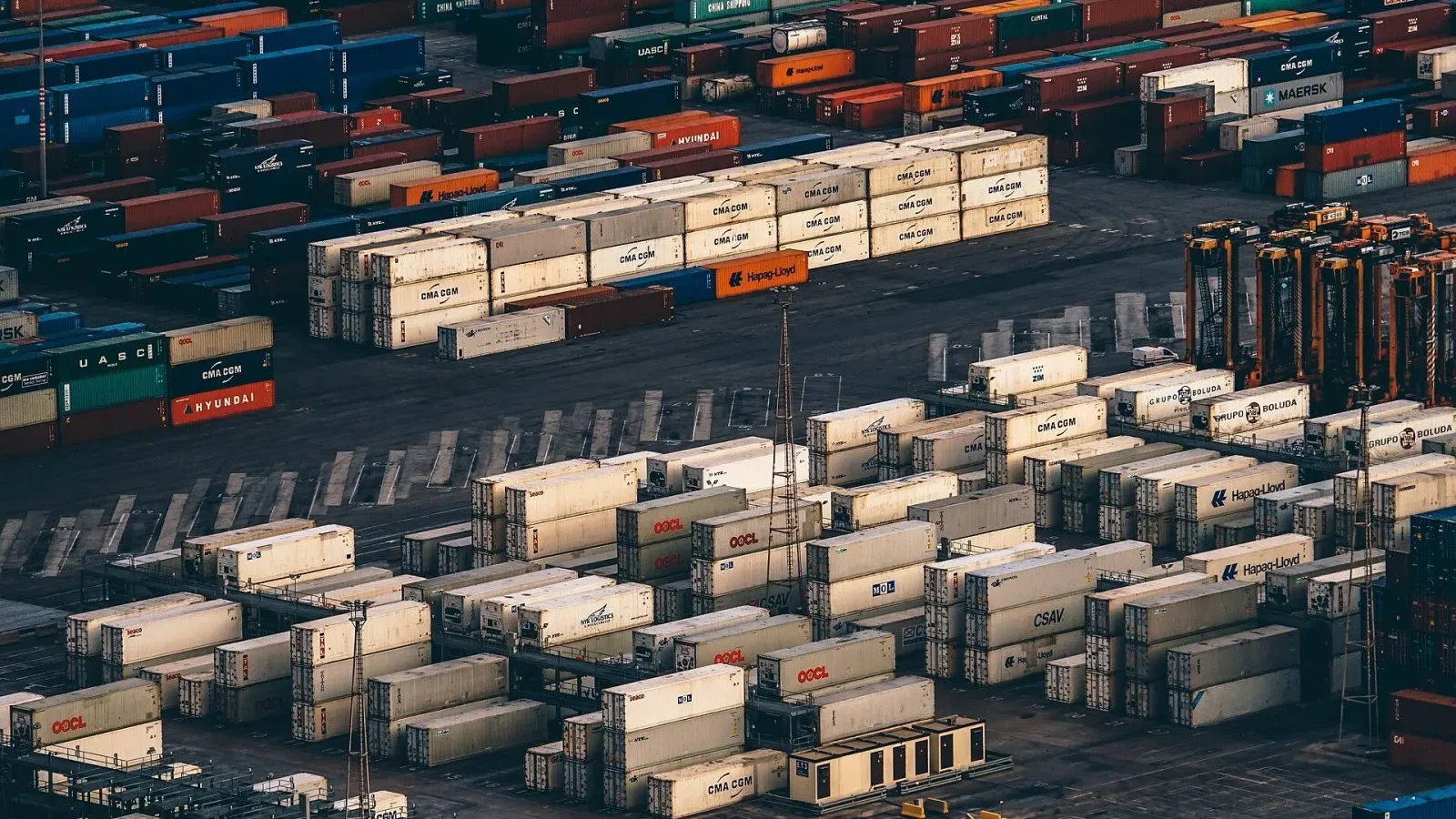
Table of contents
In international trade, a container's journey is a complex process involving dozens of companies, institutions and documents. Blockchain-based supply chain platforms aim to save both time and money by bringing every step of that process together on a shared, tamper-proof record. Every stage, from the first record created at the port of loading through customs and the warehouse to the supermarket shelf, can be traced in a single digital history. Consumers, in turn, can scan the QR code on the packaging to see where a product came from.
The first record at the port of loading
The journey begins as olive oil bottled at the producer's facility is loaded into a container. During loading, the container number, product batch, quantity and departure time are entered into the shared record via an app used by port staff. This first record becomes the reference point for every step that follows. Because it is stored with a timestamp, it is hard to alter later, and every party can view the same information at the same time.
The container's seal and the temperature sensor inside are also linked to its digital identity. Sensor data is added to the record at set intervals throughout the journey; if the temperature limit is exceeded, an automatic alert goes to the relevant parties. This makes it easier to work out afterward where a problem arose with perishable goods. When the container reaches port, the records are updated with new information, and steps such as loading and unloading are added to the same chain.
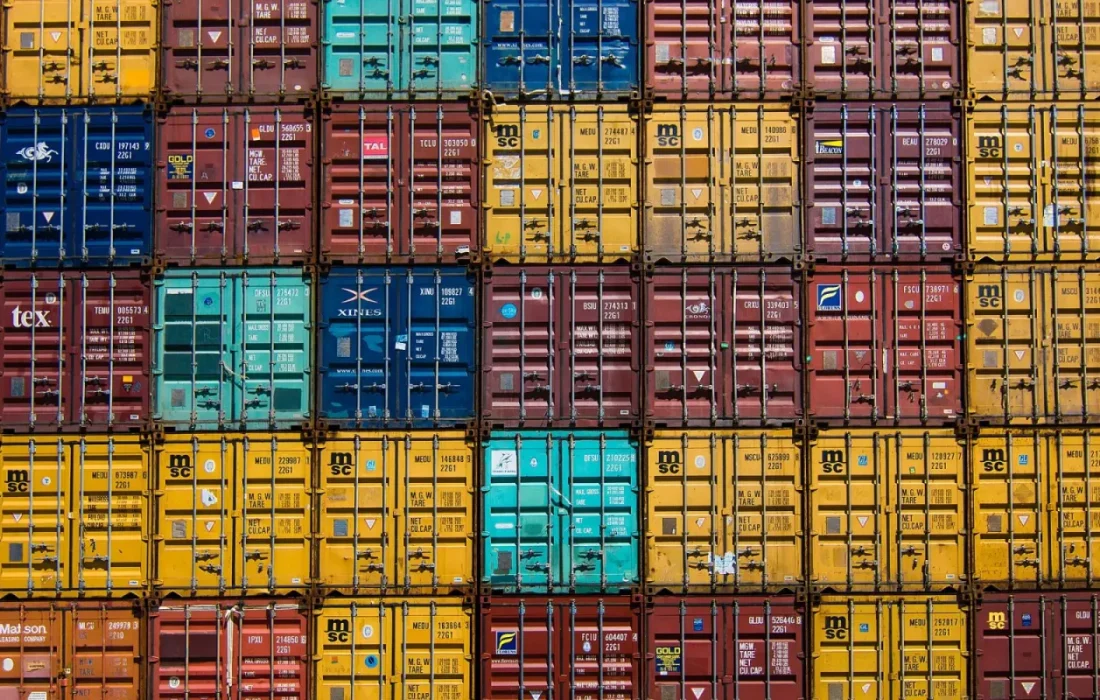
A transparent supply chain builds trust for producers and consumers alike.
Jake Morales
Customs and paperwork
At the customs stage, the documents required for export and import usually pass through many institutions. In blockchain-based systems, verified copies of these documents are kept in the shared record, so institutions don't have to request the same information over and over. This also reduces the risk of document fraud. As a result, there is less back-and-forth between customs officers and shippers, and waiting times are shorter.
Smart contracts in the records can automatically trigger the payment step once goods clear customs. This speeds up cash flow, which particularly benefits small exporters. Pilot programs report a significant reduction in document processing time; even so, getting all parties onto the system remains a precondition for these benefits. For the approach to spread, common standards need to be set and small businesses need to be brought into the system too.
What the QR code on the shelf tells you
At the final stop of the journey, the product meets the supermarket shelf with a QR code on its packaging. When a consumer scans the code with their phone, they can see which facility the product was made in, when it set off and which ports it passed through. This transparency aims to boost confidence in the origin of food products in particular. The page behind the QR code can also list the product's nutritional values, certifications and any recall notices.
| Topic | Blockchain |
|---|---|
| Highlights | smart contract, Web3, supply chain |
| Reading time | 6 minutes |
| Written by | Jake Morales |
Key takeaways
- The container's first record is created at the port, and sensor data is added along the way.
- Keeping documents in a shared record speeds up customs and reduces fraud.
- The QR code only shows correctly entered data; data oversight is essential.
The story the QR code tells can only be as accurate as the information entered into the records. Experts note that the blockchain does not correct incorrectly entered data, so oversight of data entry and sensor accuracy are at least as important as the technology. Supermarkets, for their part, say they can also use the system to speed up recalls of problem products from their shelves.
What do you think about this post?

Leave a comment