

























































From the northern cold to the desert sun: Inside mining facilities
From data centers in cold climates to solar-powered desert sites, we toured crypto mining facilities around the world in pictures.
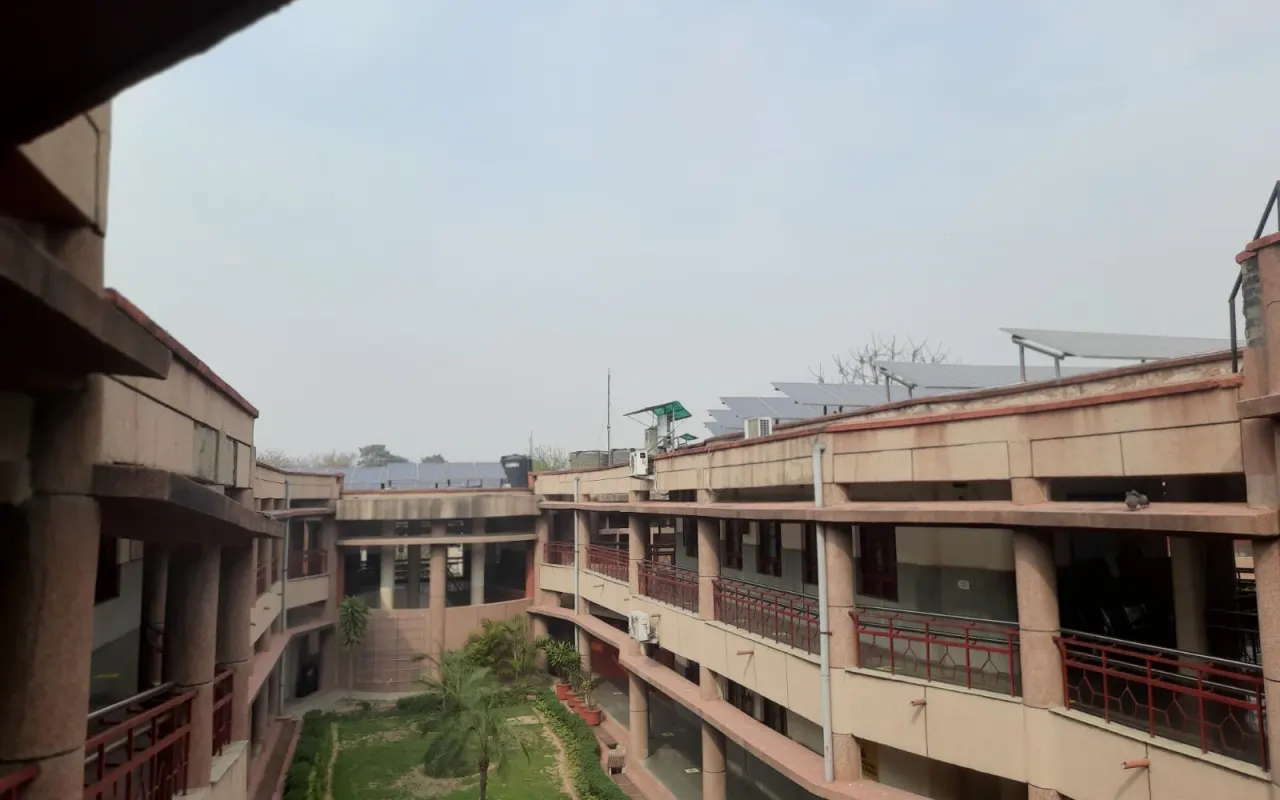

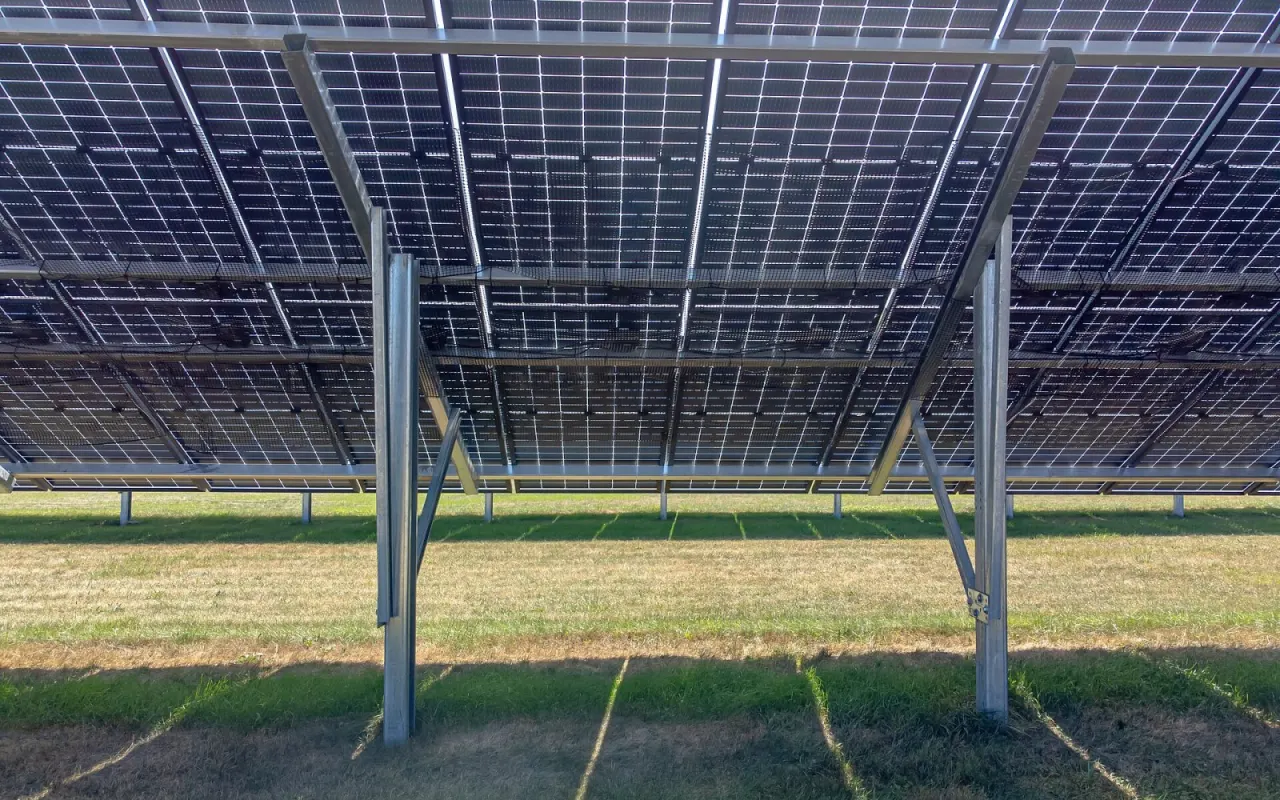
Table of contents
From the outside, crypto mining may look like nothing more than numbers on a screen, but behind it stand enormous physical facilities. Sites built in cold regions cut energy costs thanks to natural cooling, while those in sunny regions opt to run on renewable energy. With thousands of machines running at once, temperature management and maintenance are among the most critical parts of the operation. You can find our pictures from mining facilities around the world in the gallery.
The natural advantage of a cold climate
The first shots in our gallery show a mining facility set in a snow-covered valley. The cold climate naturally eases the machines' overheating problem; drawing in cool outside air reduces the energy spent on cooling. Seeing this advantage, companies are concentrating their facilities in northern regions. The photos highlight the contrast between the blanket of snow around the facility and the rows of hot machines inside.
One of the photos captures large ventilation panels cut into the facility's wall and a cloud of vapor drifting in from outside. The facility manager explains that cooling costs fall significantly in winter compared with summer, and that the machines are also less affected by temperature swings. Even so, extreme cold and humidity bring different maintenance needs.
Every block is the joint work of thousands of machines humming away somewhere.
Ethan Brooks
Sites powered by sun and wind
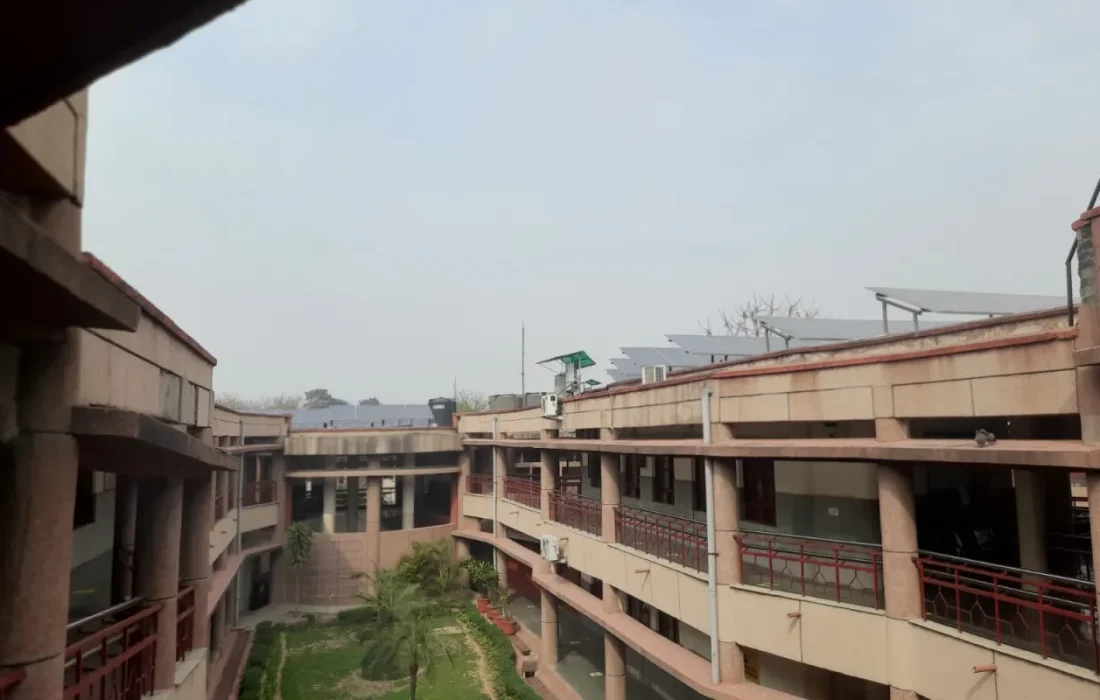
Shots of a facility built in the desert tell a completely different story. Rows of solar panels on the roof and the surrounding land power the machines throughout the day. When there is surplus production during the day, the facility runs at full capacity; in the evening, the load is reduced or the grid connection kicks in. The angle and size of the panels are adjusted to peak production hours.


A photo of another facility in a windy coastal region shows containers lined up in the shadow of turbines. The operator says energy that cannot be fed into the grid during hours of strong wind is diverted to mining. Industry representatives argue that this model creates additional income for both the facility and the energy producer, while critics point to total energy consumption. Although facilities like this can't be built everywhere, they also contribute to the local economy where they are.
The hum of thousands of machines
Our shots from inside the facilities are dominated by thousands of machines stacked on racks and the intense hum of fans running nonstop. Technicians walk around wearing ear protection, and the temperature in the aisles is kept under control by separating cold and hot air. Small screens in front of each rack show the real-time status of the machines. This way of working requires the facility to run around the clock, with a team on hand at all times.
| Topic | Mining |
|---|---|
| Highlights | mining, Bitcoin, halving |
| Reading time | 3 minutes |
| Written by | Ethan Brooks |
Key takeaways
- Facilities in cold climates cut cooling energy with natural ventilation.
- Solar- and wind-powered facilities adjust their load to energy production during the day.
- Fire safety, power distribution and noise management are critical issues for facilities.
The maintenance team spots faulty machines on the monitoring dashboard and replaces them with spares slotted into the racks. Fire safety, power distribution and noise management are among the facility's most critical issues. One technician says each machine is a small part, but together they all contribute to the network's security. The gallery aims to make this physical labor behind the screen visible.


Leave a comment