


























































Weekly gold outlook: The ounce price and currency moves in focus
Gold prices per gram started the week choppy, driven by moves in the international ounce price and exchange rates. We assessed the factors affecting demand in the domestic market.
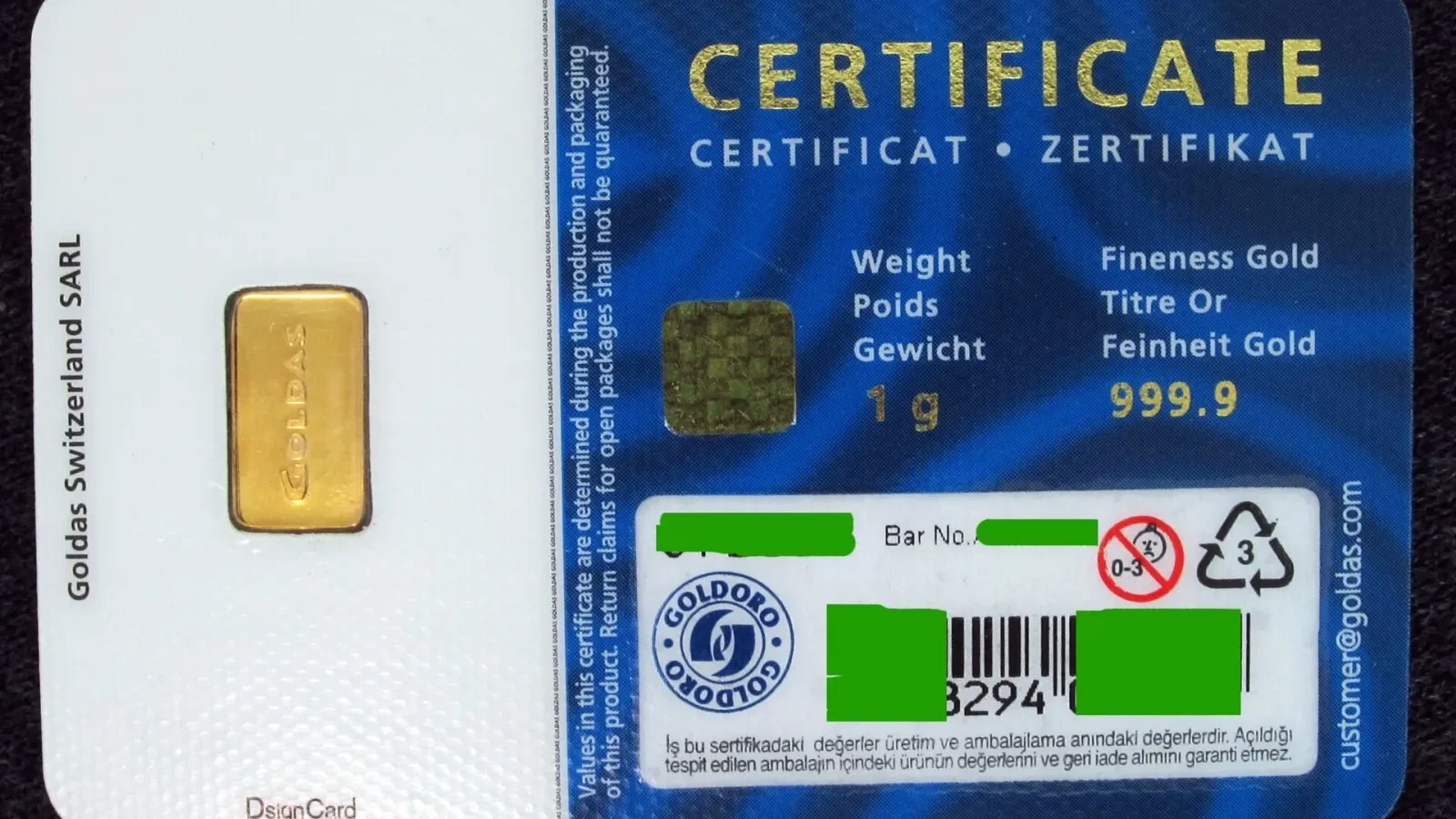
Table of contents
Gold by the gram, one of the investment instruments local savers follow most closely, started the week on a choppy note. Because its price is driven by the combined movement of the international ounce price and the exchange rate, two different variables have to be watched at the same time. Jewelers point out that the spread between buying and selling prices can also widen when price swings intensify. Analysts expect inflation data due during the week and expectations around rate decisions to drive pricing. This content is not investment advice.
The combined effect of the ounce and the exchange rate
The local price of gold per gram is shaped, simply put, by multiplying the international ounce price by the dollar exchange rate and converting it to grams. So even if the ounce price stays flat, the gram price rises when the exchange rate goes up; if the exchange rate holds steady and the ounce falls, the gram price falls too. When both variables move at once, their effects can either amplify or offset each other.
This week, the ounce price moved sideways in the shadow of global rate expectations, while moves in the exchange rate drove the swings in the gram price. Analysts say that savers who follow gold should look separately at the ounce price and the exchange rate, not just the local gram price, to understand what is behind the moves. This distinction is especially useful in explaining deviations in the gram price during weeks when the currency moves quickly.

To understand gold by the gram, you have to read both the ounce and the exchange rate at once.
Sarah Bennett
Physical gold demand and the spread
Demand for physical gold usually rises when price swings intensify. Jewelers say that on some days the number of customers wanting to buy and sell rises at the same time, widening the spread. The spread is the difference between the buying and selling price of gold and an invisible part of the transaction cost. It can significantly increase costs for those who buy and sell within a short period.
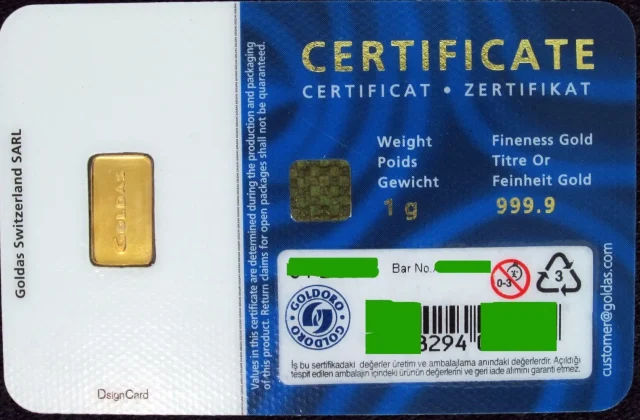
Differences in craftsmanship and purity across products such as bangles, jewelry and bars also change the cost. For investment purchases, bars and certified products may be preferred because their craftsmanship premium is low. Storage conditions matter too: keeping gold at home carries a security risk, while a safe deposit box adds extra cost. Buyers should calculate the total cost before any transaction.
This week's calendar
This week's calendar is headlined by inflation data, central bank meeting minutes and jobs data. Inflation coming in below expectations could support the ounce price by strengthening expectations of rate cuts, while a higher figure could pressure gold by pushing up the dollar and bond yields. These effects don't always run in the same direction.
| Topic | Gold & FX |
|---|---|
| Highlights | gold, forex, rate decision |
| Reading time | 5 minutes |
| Written by | Sarah Bennett |
Key takeaways
- Gold by the gram is shaped by the combined effect of the ounce price and the dollar exchange rate.
- The buy-sell spread is a hidden cost of physical gold.
- Inflation data and rate expectations are the week's key events.
Domestically, developments in the exchange rate and official data releases will be decisive. Savers are advised to act according to their own goals and time horizons rather than trading frequently in response to short-term swings. It's also worth bearing in mind that price moves are hard to predict in the short term. This content is for general information only and is not investment advice.



Leave a comment