





























































Mining on renewables: The rise of hydro and solar power
As the energy consumption of crypto mining is debated, the industry is turning to renewable sources to reduce both costs and its environmental impact.
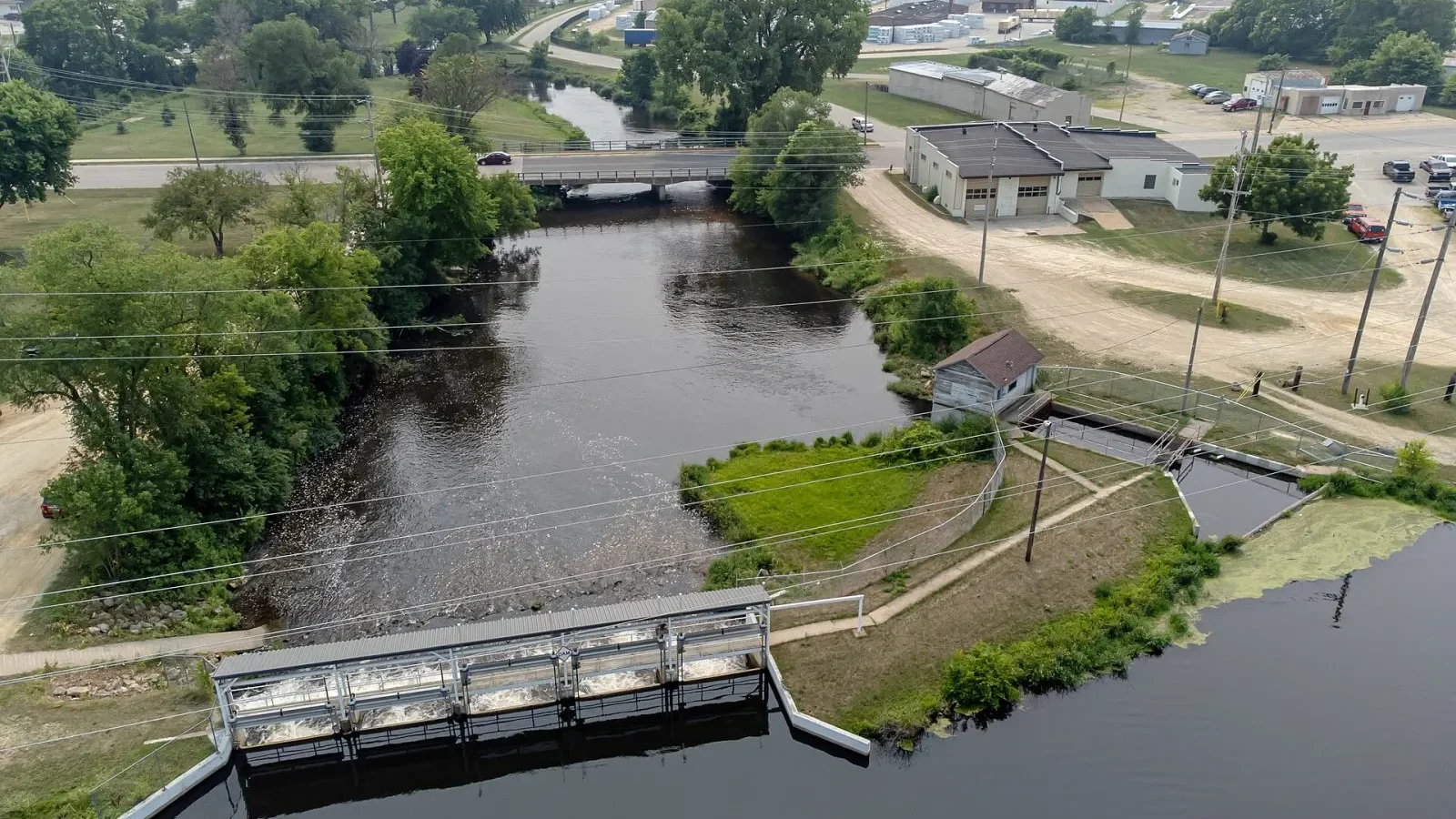
Table of contents
The energy consumption of crypto mining has long been at the center of environmental debates. In recent years, the industry has tried to respond to this criticism by turning to renewable energy sources. Facilities built near hydroelectric plants make use of surplus energy, particularly during rainy seasons. Mining operations integrated with solar and wind farms create economic value by using stranded energy that cannot be fed into the grid. Experts say that, when properly planned, this model can also help balance power grids.
The energy consumption debate
Critics frequently compare mining's energy consumption to the electricity use of a mid-sized country. Supporters say this comparison is misleading, because a system that secures the network uses energy deliberately, and it should be considered alongside the consumption of the traditional banking system. The gap between these two perspectives depends largely on which benchmark is chosen and how the data is interpreted.
The real question at the heart of the debate is where the energy comes from. There is a big difference in carbon footprint between facilities fed by coal- or gas-fired grids and those powered by hydro or solar. That is why the industry is trying to develop reporting methods that highlight the energy mix rather than the amount consumed. Industry representatives would like source-based disclosures to become standard.
With the right planning, stranded energy can be turned into digital value.
Ethan Brooks
Putting stranded energy to use
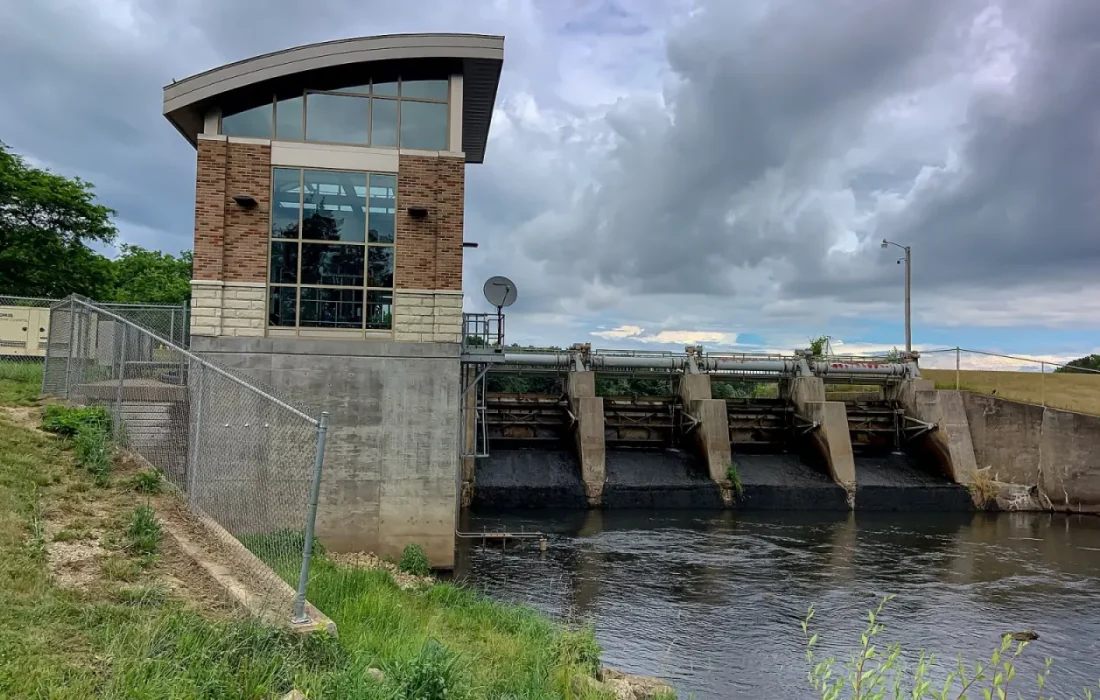
Stranded energy refers to electricity that is produced but cannot be fed into the grid or goes to waste during hours of low demand. During rainy seasons, when hydroelectric dams need to release water, this energy often goes unused. A mining facility built nearby can use it directly and turn it into economic value. Putting this energy to use is presented as preventing a loss in both environmental and economic terms.
Solar and wind farms face a similar situation: production and consumption hours don't always line up. Plant operators can speed up the return on their investment by using mining facilities as a “flexible load.” The fact that mining machines can be switched off quickly when needed is cited as one of the most attractive aspects of this model. It also partly smooths out fluctuations in plant revenue, making returns more predictable for investors.
Helping balance the grid
From a grid-balancing perspective, flexible loads can play a stabilizing role by absorbing surplus energy during low-demand hours and dropping off when demand rises. Some grid operators are experimenting with buying demand response services from mining facilities under specific contracts. The facilities support the grid by switching off their machines at peak times. This cooperation is giving rise to a new kind of energy contract culture between grid operators and miners.
| Topic | Mining |
|---|---|
| Highlights | mining, Bitcoin, energy |
| Reading time | 7 minutes |
| Written by | Ethan Brooks |
Key takeaways
- The heart of the debate is not just how much energy is used but where it comes from.
- Stranded energy that can't reach the grid can be turned into economic value through mining.
- Facilities operating as flexible loads can help balance the grid.
Experts say this model won't work everywhere and that the regulatory framework and grid structure are decisive. They also stress the importance of using existing resources more efficiently rather than investing in new power plants. Independent verification of sustainability claims is also vital for the industry's reputation. That is why the role of public bodies and independent auditors is seen as critical to ensuring renewable energy claims are credible.



Leave a comment