













5 Mistakes to Avoid When Choosing a Domain Name
Long, confusing or wrongly extended domain names can hurt your brand. We've gathered the mistakes you should avoid.
Table of contents
You choose a domain name once and use it for years; changing it later means resetting everything from search rankings to customer habits. That's why a few minutes of thought before you reach the registration screen can save you a lot. Below you'll find the five mistakes new businesses make most often and how to avoid them.
Keep it short, memorable and easy to spell
The most common mistake is choosing a name that's too long or too complicated. If you say it over the phone and the other person has to ask how it's spelled, your domain is too complex. Names that are short, spelled only one way and easy to remember pay off in both ads and word of mouth. Avoid hyphens and numbers; names like "home-decor-2" don't inspire trust and invite typos. Writing the name down and having a friend take it by phone dictation is a simple but effective test. Shorter isn't always best, though; meaningless strings of letters aren't memorable either, so it's better to look for a natural word or combination that evokes what your brand does or feels like.
The second mistake is choosing a domain similar to a brand name or too close to someone else's trademark. If you get a complaint after paying the registration fee, you lose both the investment and the time. Before registering, search the name in search engines and trademark databases. Checking whether the same username is free on social media also keeps your online identity consistent. When the same name is used across all channels, customers find you more easily. Using another brand's name with altered spelling doesn't just carry legal risk, it also sends customers to the wrong site and hurts your reputation; an original name that's truly yours is always more lasting.

A good domain name is one that can be spelled correctly after hearing it once over the phone.
Mark Ellison
Pick the right extension
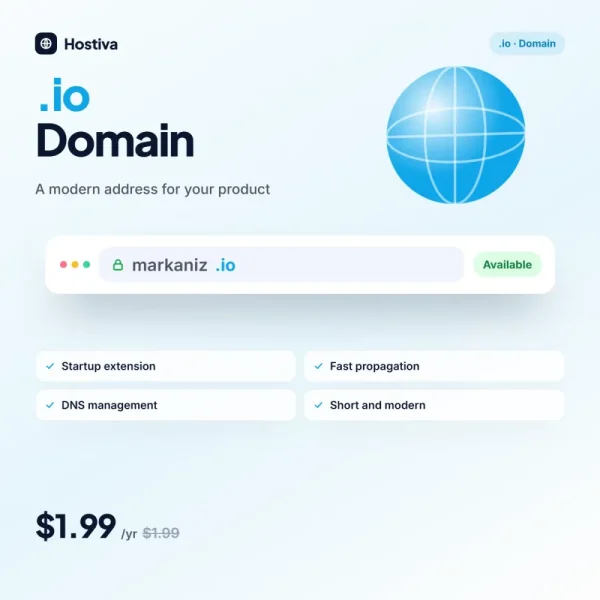
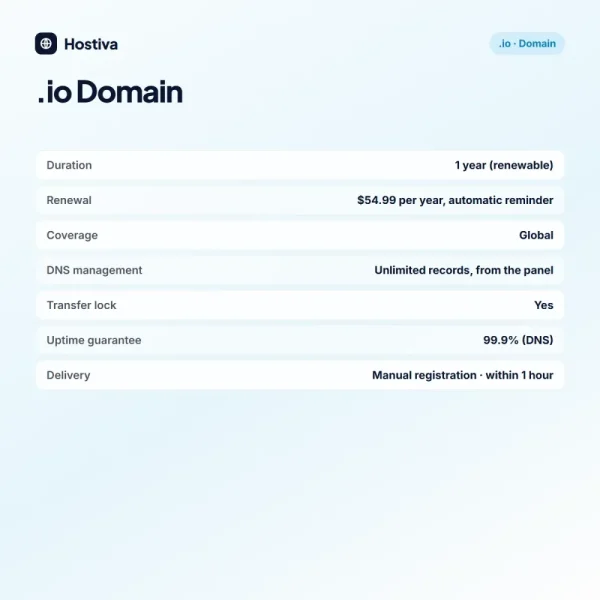
Extension choice is the third area of mistakes. .com is still the best-known extension and a strong pick for international audiences. For businesses aimed at customers in Turkey, .com signals local trust. .net is popular with technology and service brands, .shop with online stores, .dev with developer portfolios and .io with startups. What matters is choosing the extension that describes your brand and audience. If possible, register the main extension and take one or two alternatives as protection. Buying a few alternative extensions together may look costly, but as your brand becomes known, this small investment keeps you out of much bigger trouble with those who imitate similar addresses.
The fourth mistake is forgetting to renew. An expired domain can be snapped up by someone else quickly, and losing a brand address you've built over years causes irreversible damage. Turn on auto-renewal at registration, tie reminder emails to an address you actually monitor and add the renewal date to your calendar. A domain payment is a small yearly amount; the price of forgetting is far greater. If you can, link the domain to a company email rather than a personal one. Routing renewal notices to a separate email address lowers the risk of missing an important reminder in a busy personal inbox and keeps your domain secure.
What to do after registering
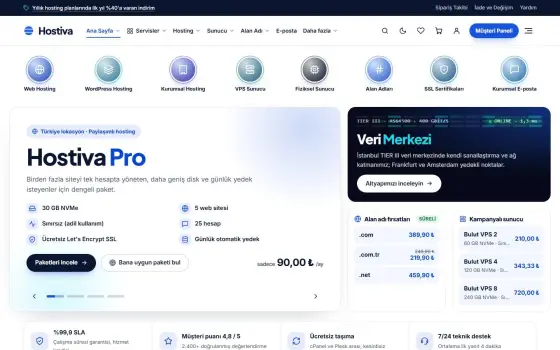
The fifth mistake is skipping steps after registration. Getting the domain is only the first step; you also need to point DNS records to your hosting, install an SSL certificate and set up business email. Skip this sequence and the site either won't open or will open with a "not secure" warning. When Hostiva customers buy a domain and hosting together, our team handles the connection. If you do it yourself, remember that DNS changes can take a few hours to propagate worldwide. Before changing DNS records, take a copy of your current settings; it lets you roll back quickly if you make a wrong move and shortens any downtime, so keep that backup.
| Topic | Domains and Brand |
|---|---|
| Highlights | domain name, DNS, hosting |
| Reading time | 5 minutes |
| Written by | Mark Ellison |
Key takeaways
- Choose a short, hyphen-free name you can dictate.
- Pick the extension that suits your audience.
- Turn on auto-renewal and privacy protection.
Finally, consider domain privacy protection. Your registration details can be published in a public registry database, which leads to unwanted emails and phone calls. With a privacy option, proxy details appear instead of your personal information. Also keep the transfer lock on and use two-step verification on your domain account. These three small measures reduce the risk of domain theft to nearly zero and keep your brand safe. The precautions are small, and the cost of a loss is large. Storing your domain account login details somewhere safe and setting things up so at least two people can reach it removes the chance of losing access when people change roles.
What do you think about this post?



2 Comments
Really useful piece, thank you for putting it together.
I had never thought about this side of it. Looking forward to a follow-up.