






























































Table of contents
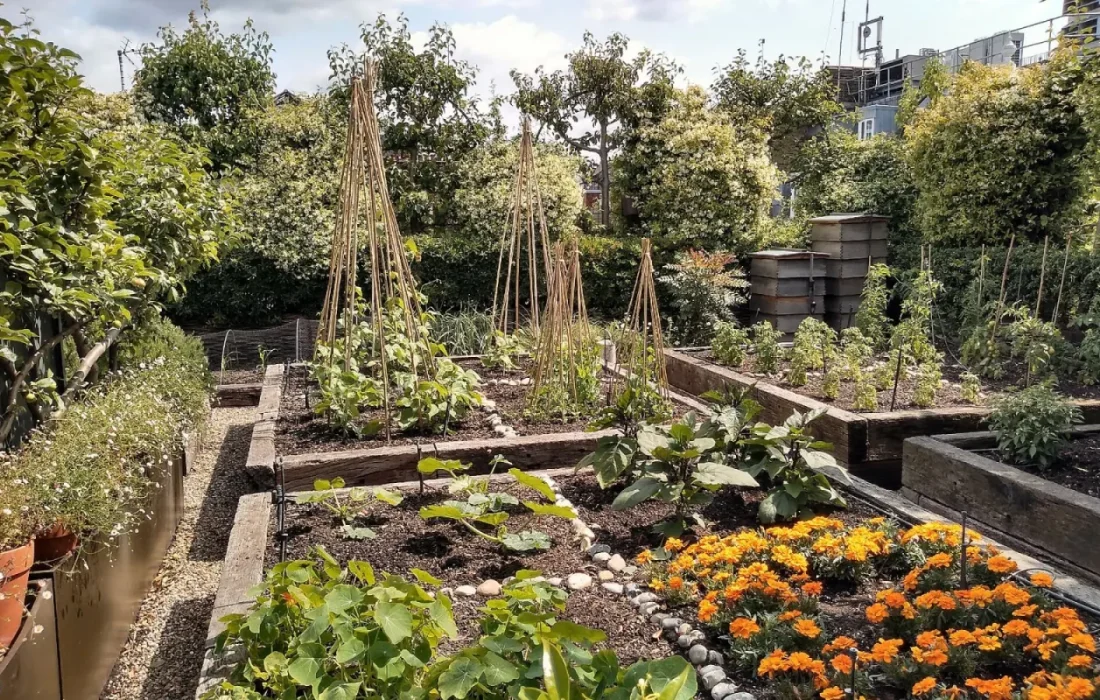
A school garden project launched at 12 elementary schools in the district is giving students a chance to get close to nature. Together with their teachers and volunteer parents, students are growing vegetables such as tomatoes, lettuce and parsley with their own hands. Part of the science curriculum is now taught directly in the garden. Project coordinator and teacher Henry Ellis says the children's attitude toward vegetables has changed and their healthy eating habits have grown stronger. The first harvest was served to students in the school cafeteria.
How did the project start?
The idea for the project came from an elementary school teacher who grew seedlings in her classroom. After the bond students formed with the plants caught attention, school principals and the city's agricultural engineers came together and decided to expand the project to other schools in the district. As a first step, unused areas in the yards of 12 schools were prepared for growing.
Soil testing, an irrigation system and seeds were provided by the city. A short in-service training program was set up for teachers. The training covered planting calendars, using organic fertilizer, natural pest control and rules for working safely with children in the garden. At the end of the training, a garden coordinator was appointed for each school, a care schedule and children's duties were set, and regular visits began.
A child who eats a tomato they grew themselves never leaves vegetables on the plate.
Sarah Bennett
Lessons that move from the classroom to the garden
Garden work has become an integral part of science lessons. Students draw the germination of seeds, the growth of roots and leaves turning toward the sun in their notebooks. Math lessons include activities such as measuring the spacing between rows, counting seedlings and weighing the harvested vegetables. These observations help children connect abstract textbook knowledge to real life and make the concepts discussed in class stick.
In language arts, children keep a garden journal and turn their experiences into short stories. In art class, they draw vegetable patterns. Teachers say they have seen this well-rounded approach make learning more concrete and boost children's self-confidence. Even on rainy days, short observation activities are planned for garden time. Teachers also say children's sense of responsibility grows as they realize the plants need watering every day.
Parents are getting involved too
To make the project sustainable, parents have also been brought on board. Watering, weeding and maintenance are done on weekend work days with volunteer parents. Some families have donated seeds and seedlings from their own homes to the schools. Parent meetings include short talks on eating habits and ideas for vegetable dishes families can cook together with their children at home.
| Topic | Education |
|---|---|
| Highlights | school, city council, education |
| Reading time | 4 minutes |
| Written by | Sarah Bennett |
Key takeaways
- The project started at 12 elementary schools at a teacher's suggestion.
- Garden work is linked to science, math and language arts lessons.
- Volunteer parents take part in maintenance and harvesting.
After the first harvest, children tasted a salad made with the vegetables they grew themselves in the school cafeteria. Officials said they are working to expand the project to more schools next year and plan to bring families together with seasonal harvest festivals. If successful, the project could become a model for other districts. Parents also say they are pleased with the project, noting that their children are now more willing to eat vegetables at home.
What do you think about this post?

Leave a comment