



























































Schools pass the earthquake drill with flying colors: in pictures
Thousands of schools took part in a nationwide earthquake drill held at the same time. Students evacuated noticeably faster than last year. Here are the best photos from the drill.
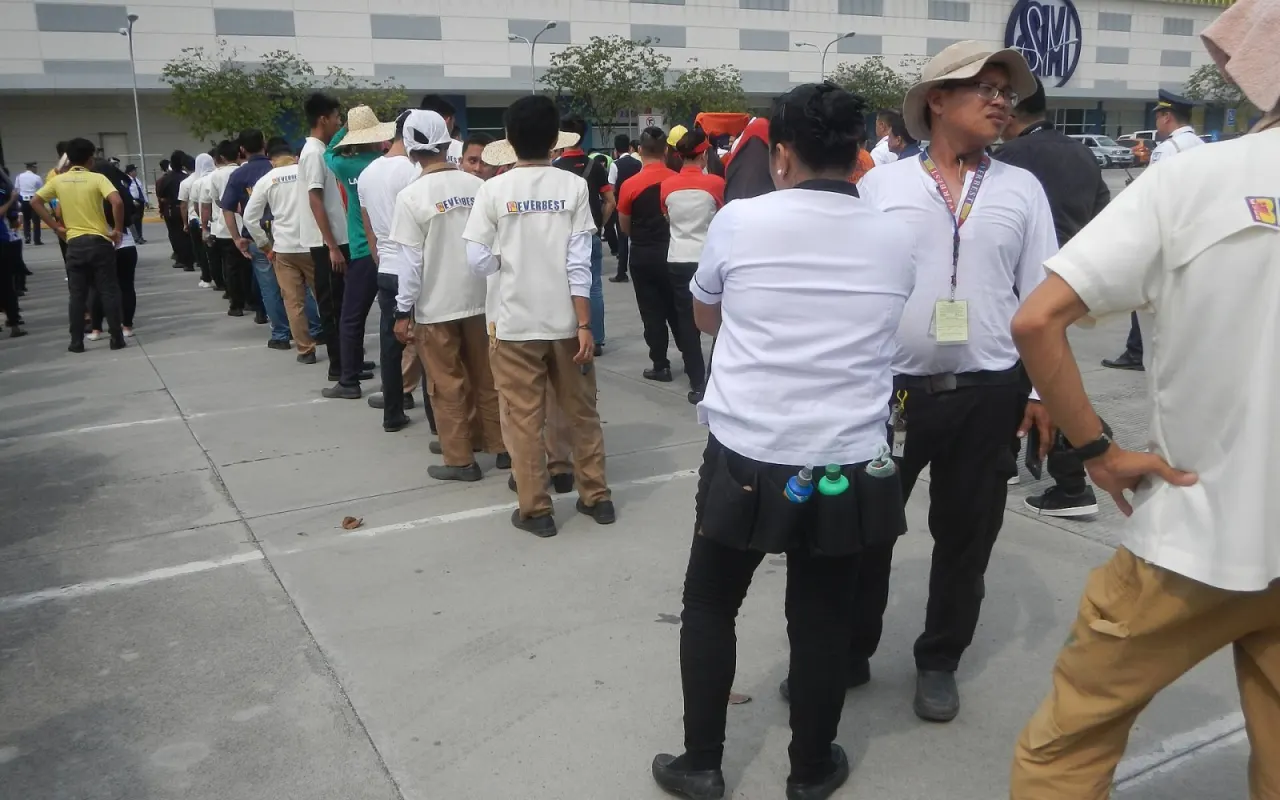
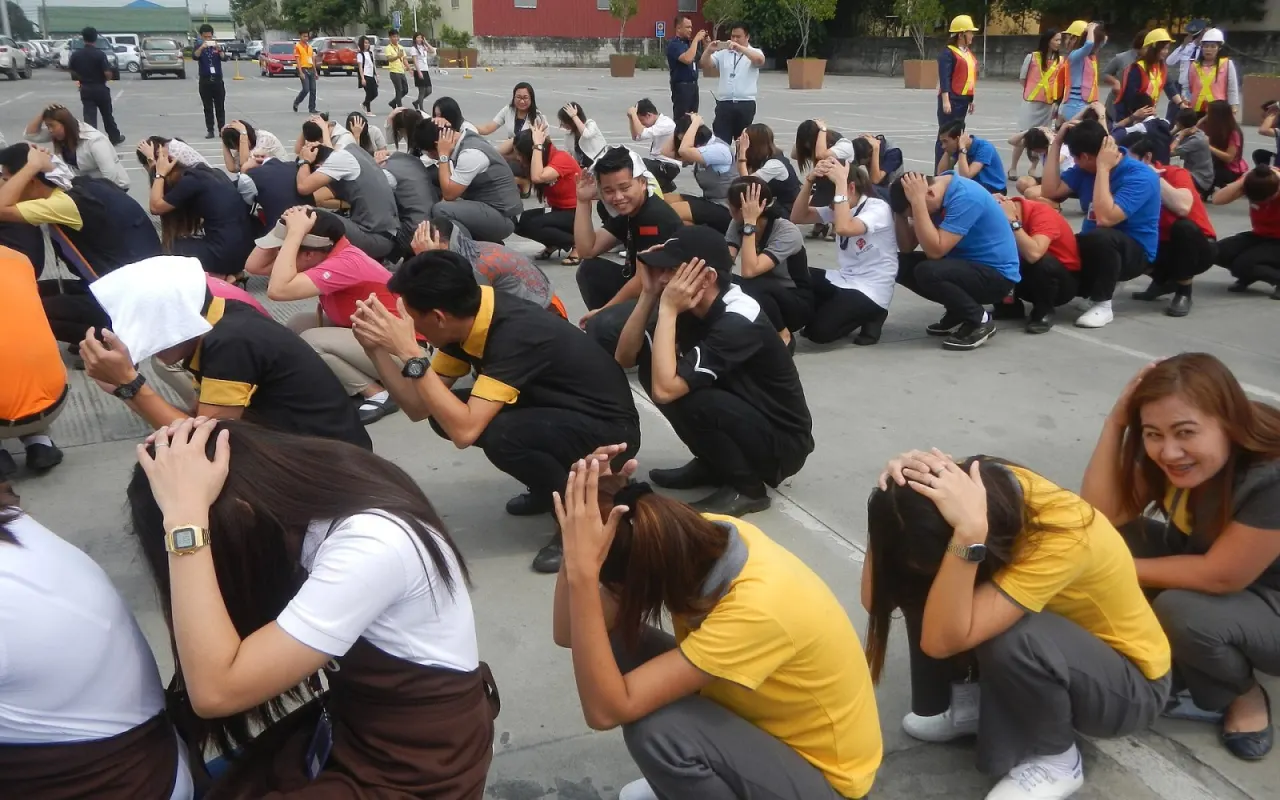

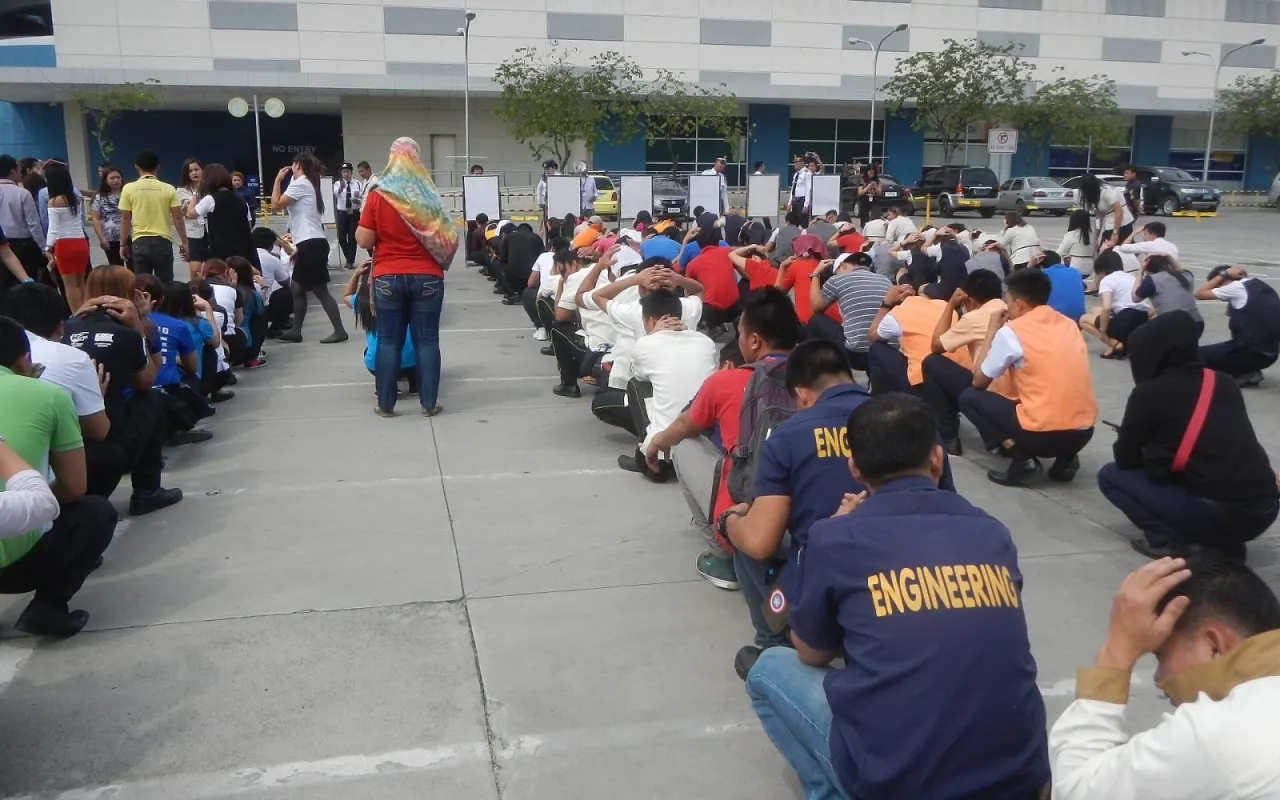
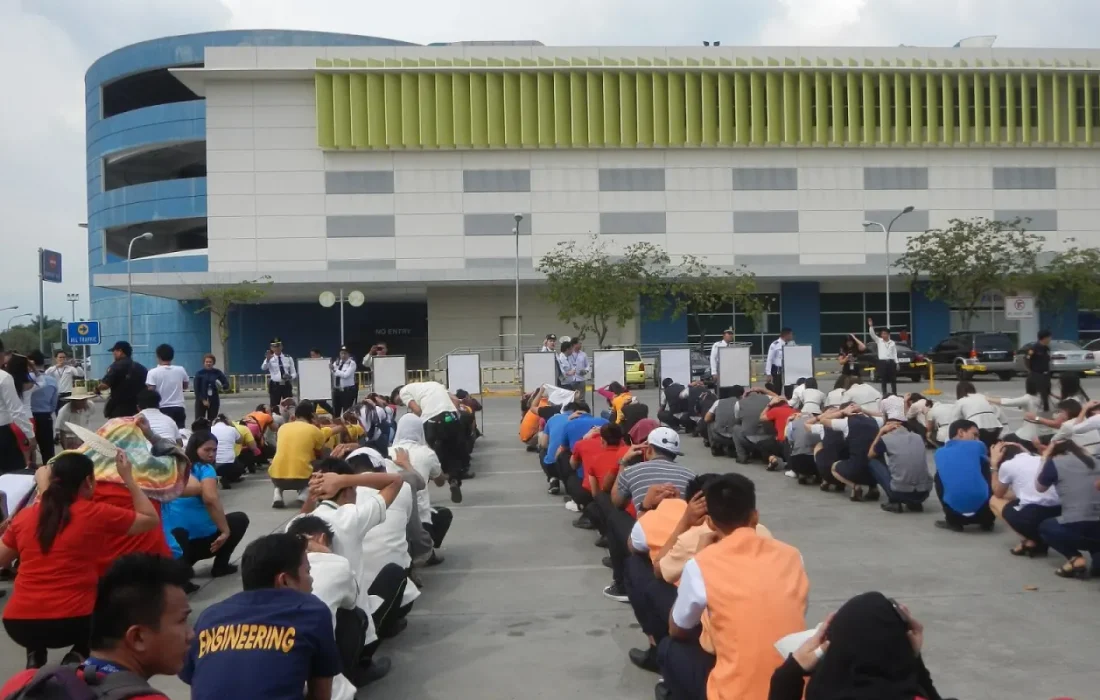
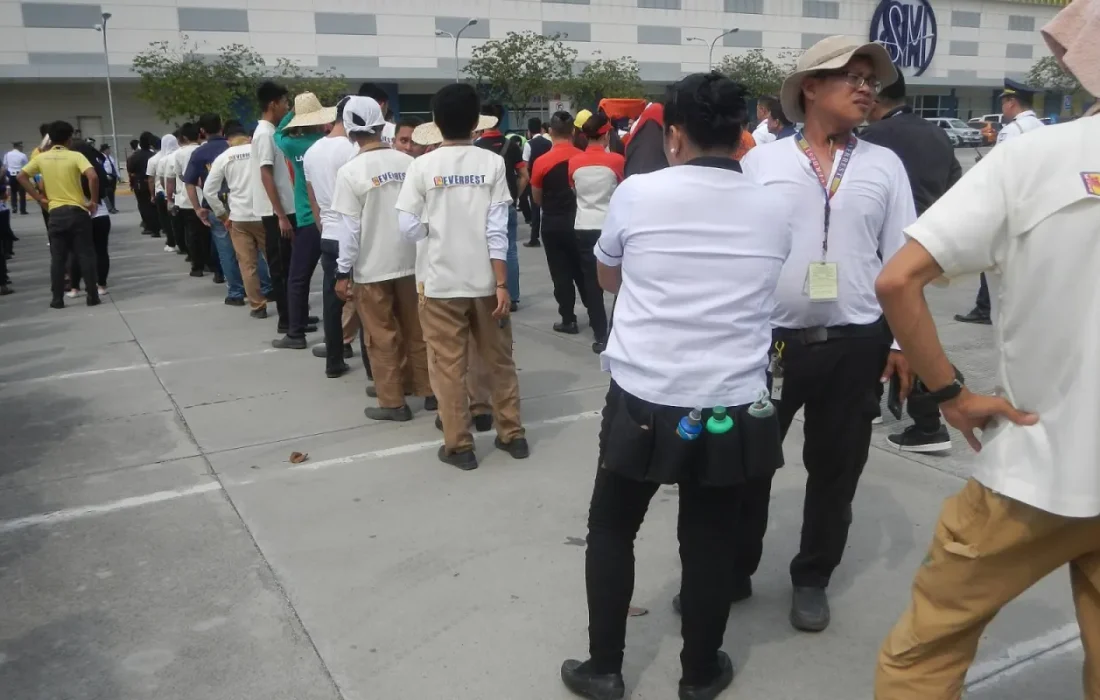
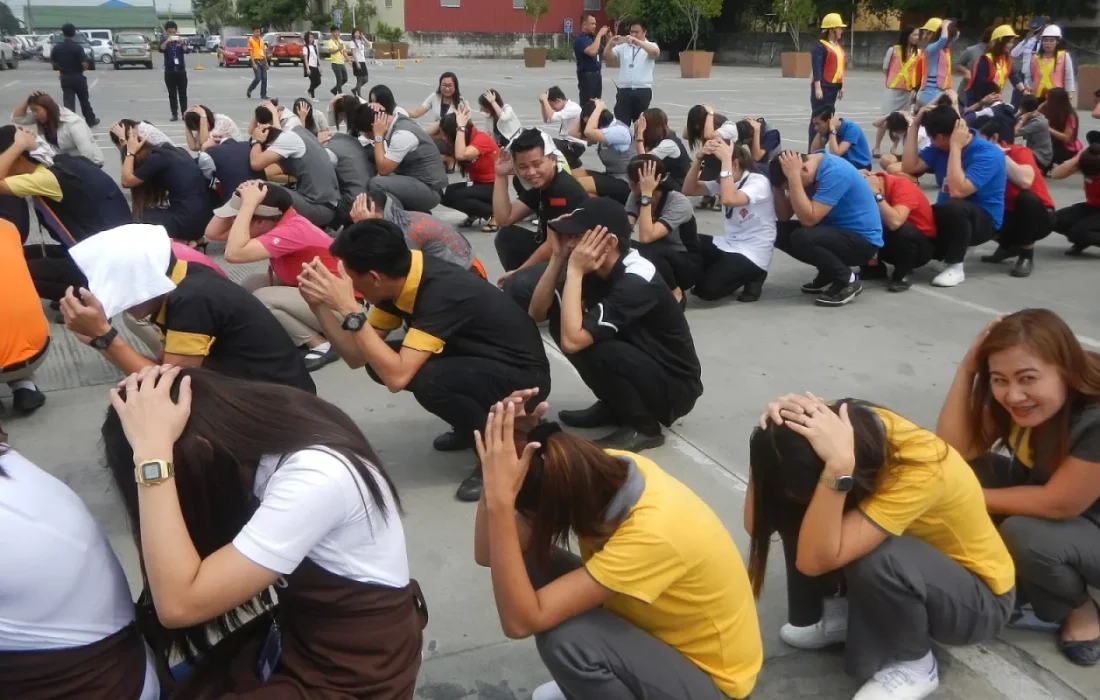
A nationwide earthquake drill held simultaneously in the morning was taken very seriously in schools. When the bell rang, students took the “drop, cover and hold on” position, then made their way to assembly points with their teachers. According to reports from disaster management agency observers, evacuation times were on average twenty percent faster than last year. We have gathered photos from the drill. Another drill with different scenarios is planned for the spring term.
How the drill unfolded
The drill began simultaneously in the morning with the ringing of the school bell. Students first took cover under their desks to protect their heads, then left the classroom with their teachers once the shaking had stopped. The walk through the corridors was calm and orderly. School administrators took a roll call at the assembly areas to record that all students had gathered safely.
The photos in our gallery show how well prepared schools in different provinces were. Colorful signs made for younger children and clear instructions from teachers made the drill a learning experience rather than a frightening one. In some schools, students took an active part by bringing emergency kits they had put together themselves. Teachers said they held short briefing sessions in class before the drill to keep the children engaged.
Treating a drill as a real moment, not a game, is what saves lives.
Sarah Bennett
What teachers observed
Teachers report that classes behaved much more calmly than during the first drills and that students knew the instructions by heart. One classroom teacher said the best outcome was seeing the children help each other and remind their classmates what to do. However, physical limitations such as the direction doors open and the width of corridors were said to remain a problem in some buildings.

According to the observers' report, regular practice played a big part in shortening evacuation times. School safety officers say student monitors stationed at the top of staircases helped speed up the flow. Among the shortcomings noted was the need for more detailed evacuation plans for students with disabilities, backed by additional training. The report also recommended updating school evacuation plans at regular intervals throughout the year and repeating the drills.
Advice for parents
Advice for parents was also repeated after the drill. Families are encouraged to prepare an emergency plan at home, choose a meeting point and talk the plan through with their children. Officials said an emergency kit should contain water, a whistle, a flashlight and basic first-aid supplies. They also say it helps for children to practice drop, cover and hold on at home as a game.
| Topic | Education |
|---|---|
| Highlights | earthquake, school, breaking news |
| Reading time | 3 minutes |
| Written by | Sarah Bennett |
Key takeaways
- In the simultaneous drill, schools followed the drop, cover and hold on procedure.
- Evacuation times were on average 20% faster than last year.
- Families should prepare an emergency plan and kit at home.
Parent-teacher associations announced they would provide volunteer support so the drill can be repeated in the spring term with different scenarios. The new scenarios will include an earthquake in the middle of the night, being caught on a school bus and being caught by a tremor during an off-site activity. Officials stress the importance of running drills alongside building safety inspections. Information leaflets for parents and posters on school noticeboards will help build a shared language between home and school.
What do you think about this post?

Leave a comment