




















































Hospitals pilot a new appointment system
A new appointment model aimed at cutting waiting times has been rolled out in five provinces. Patients can now choose their appointment time more flexibly. Early results are very encouraging.
Table of contents
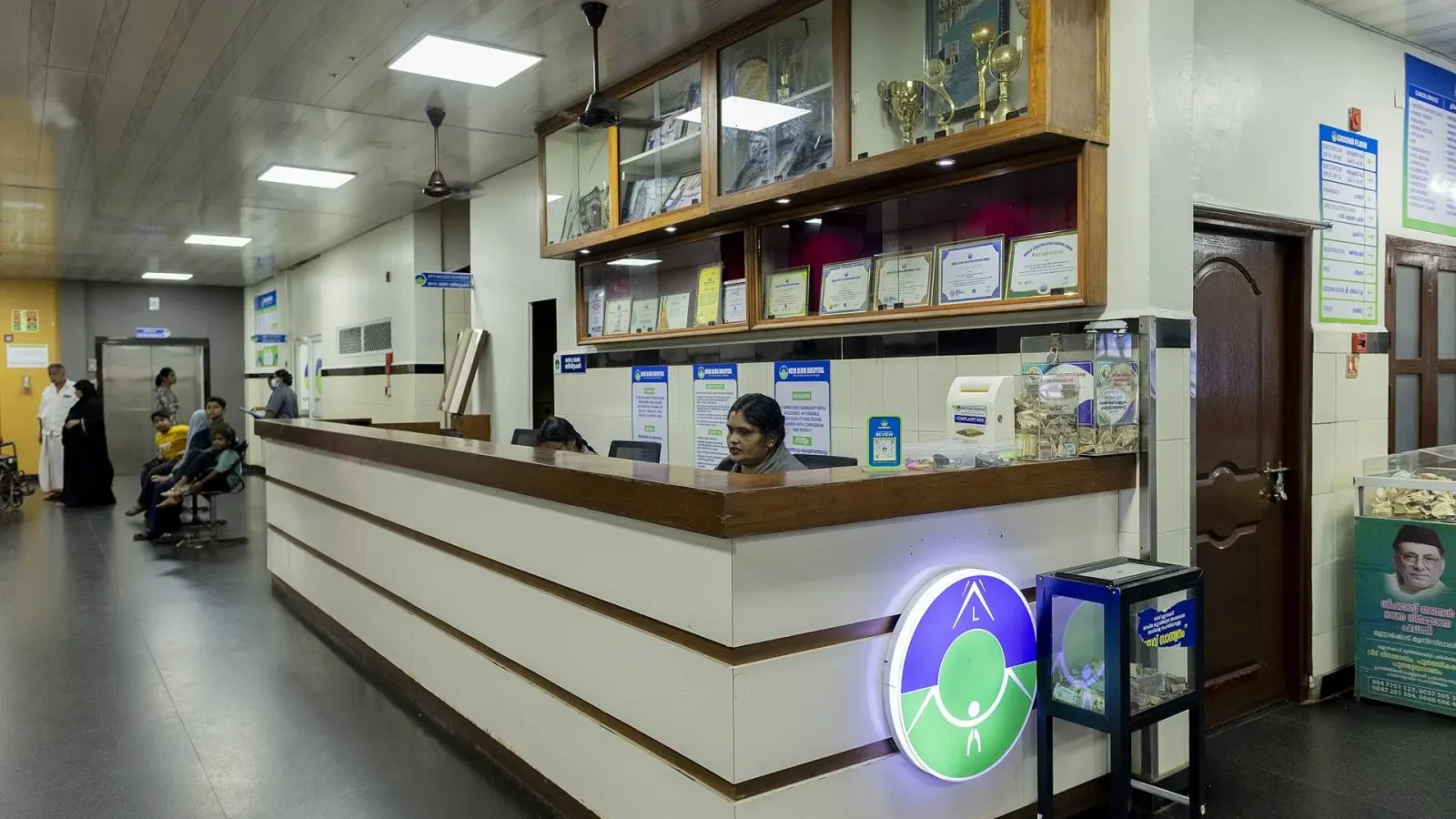
A new appointment system designed to tackle long waiting times in public hospitals has gone live in five pilot provinces. The AI-powered platform monitors outpatient clinic demand in real time and suggests the most suitable time slot to each patient. Data from the first week show a marked drop in the number of missed appointments. Officials said any shortcomings in the system would be addressed based on feedback.
How does the system work?
The new appointment model is built on software that monitors outpatient clinic demand in real time. When a patient requests an appointment, the system weighs the doctor's schedule, consultation times and past demand data together to list the most suitable time slots. This is designed to stop large numbers of patients piling up at the same hour. The algorithm's suggestions are also approved by the doctor, so the final decision stays under human control and emergencies are given priority.
Another feature of the system is that it guides people who cannot make their appointment through reminders and cancellations. Thanks to alerts sent by text message and app notification, empty slots can be offered to patients on the waiting list. Officials stress that personal health data can only be viewed by authorized staff. The system uses identity verification through the mobile app, and patients can see their past appointments on a single screen.

Our goal is for patients to wait at home, not in the hallway.
Sarah Bennett
Doctors' first impressions
Doctors working in the pilot provinces say the system took some getting used to in the first days but has brought order to the flow of consultations. One family doctor said the afternoon rush has eased and that patients now arrive at their suggested time instead of waiting in the hallways for hours. Doctors also say a flexible reserve of slots should be kept for emergencies.
Feedback from health workers also includes a call to simplify the interface. Officials agree that keeping the option to book by phone is an important principle for older patients and people less comfortable with technology. Surveys will be carried out throughout the pilot, and the results will feed into the next version of the system. Help desks will also be set up at hospital entrances for elderly patients.
When will it go nationwide?
Ministry officials said the pilot will be monitored for several months and, if the results are positive, the system will be gradually extended to other provinces. Priorities for the rollout include making sure hospital infrastructure is ready and staff training is complete. Although no firm date has been given, the aim is for the first wave of expansion to take place by the spring.
| Topic | Health |
|---|---|
| Highlights | hospital, artificial intelligence, breaking news |
| Reading time | 5 minutes |
| Written by | Sarah Bennett |
Key takeaways
- The system suggests suitable appointment times based on clinic demand.
- Missed appointments fell markedly in the pilot provinces.
- The rollout will be gradual, based on feedback and infrastructure readiness.
According to patients' rights groups, the system's success depends not only on technology but also on having enough specialists and consulting rooms. While the software is expected to cut waiting times, its impact may remain limited unless the capacity problem is solved. Officials point out that infrastructure investment is continuing for this reason. Patient representatives therefore say the system should be seen as a complementary tool.
What do you think about this post?



Leave a comment