




























































Fire at textile workshop: workers evacuated in time
A fire that broke out on the top floor of a four-story building in an industrial park was brought under control by firefighters in forty minutes. No one was injured.
Table of contents
A fire broke out around midday in a textile workshop on the top floor of a four-story building in the city's industrial zone. Workers who saw the smoke quickly evacuated the building as the fire alarm sounded. Firefighters arrived at the scene with numerous vehicles and crew, stopped the flames from spreading to neighboring buildings and brought the fire under control in about forty minutes. An investigation into the cause has been launched. Fire officials stressed the importance of having electrical wiring in workplaces inspected regularly.
How did the fire start?
The fire broke out around midday in the workshop on the top floor of the four-story building. Workers noticed the smoke, set off the fire alarm and quickly evacuated the building. Initial findings indicate that the flames spread rapidly through the area where fabric and packaging materials were stored. More than twenty people were working in the workshop at the time, and all of them reached safety.
After the alarm was raised, numerous fire engines, ambulances and police units were dispatched to the scene. Surrounding roads were closed to traffic in a controlled manner, and other businesses in the industrial park were evacuated as a precaution. Officials said flammable materials in the building helped the fire spread. Thick black smoke could be seen across the area. Because of the flammable fabrics, smoke quickly filled the corridors and stairwells, but workers used the exit route they already knew.
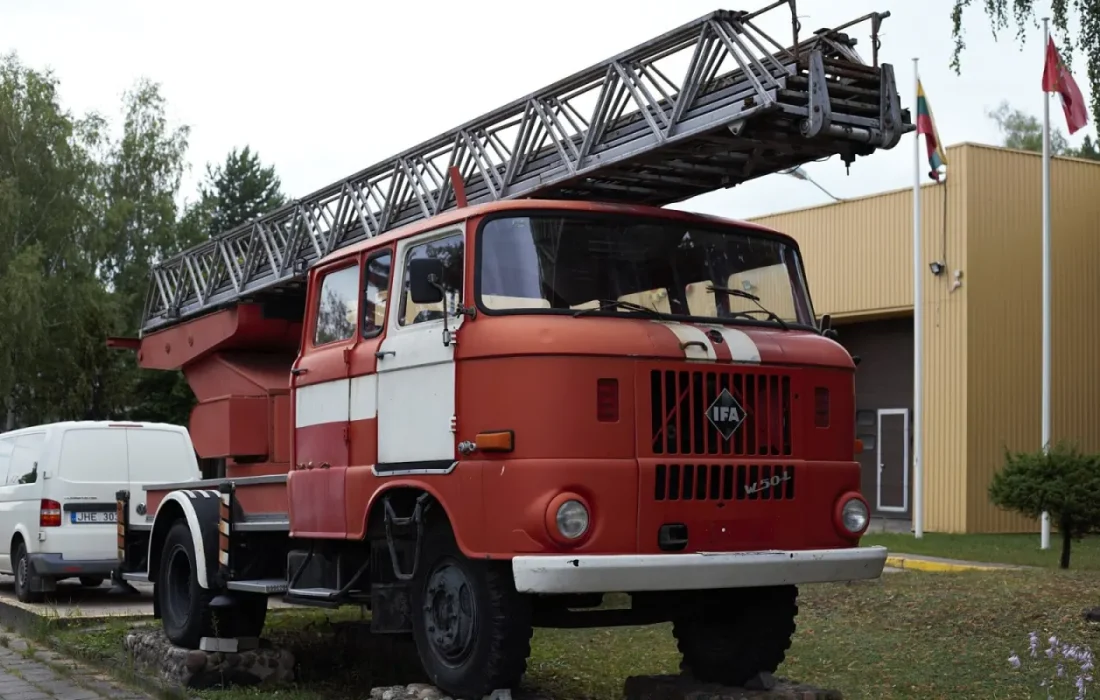
Regular evacuation drills saved lives today.
Emily Carter
The fire service's response
Firefighters first set up a protective line to stop the fire from spreading to neighboring buildings. Several crews then tackled the top floor using ladder trucks. After about forty minutes of work, the fire was brought under control and crews moved on to cooling operations. No firefighters were injured during the response. Owners of nearby businesses also offered their own water supplies and vehicles to support the fire service, and the response was carried out in a coordinated way.
After cooling operations, the building underwent a structural safety check. The top floor was reported to be badly damaged, while the lower floors suffered smoke and water damage. The workshop owners said the extent of the damage had not yet been assessed, but that the most important thing was that their workers were safe. An investigation into the incident has been launched. The specialist teams' inspection will take several days, and the cause of the fire will become clear at the end of it.
Fire safety in the workplace
The first step for fire safety in the workplace is having electrical wiring inspected regularly by qualified professionals. Overloaded sockets, long-term use of extension cords and poorly maintained electrical panels are among the most common hazards. Storing flammable materials properly, keeping exits clear and checking fire extinguishers regularly are also extremely important.
| Topic | Crime & Safety |
|---|---|
| Highlights | breaking news, city council, earthquake |
| Reading time | 3 minutes |
| Written by | Emily Carter |
Key takeaways
- Workers quickly evacuated the building when the alarm sounded.
- Firefighters stopped the flames from spreading and brought the fire under control in forty minutes.
- Electrical inspections and evacuation drills are critical for workplaces.
Fire officials reminded employers that staff should take part in an evacuation drill at least once a year. An audible fire alarm, clearly visible emergency exit signs and a pre-designated assembly point save lives. Employers are also advised to give staff basic training in using firefighting equipment. Support from councils and trade associations to help small businesses afford this training is also under discussion.
What do you think about this post?


Leave a comment