





















For years, walking up to a stranger on the street and asking to take their portrait was the scariest part of my photography. In my first attempts the words barely came out, and I often gave up at the last moment and walked away. Over time I realized that genuine curiosity and a short explanation are enough to make most people smile. In this post I describe the approach I use when asking for permission, how I respect a no and how I share the photos with the people in them.
In this article
- The first sentence is everything
- Respecting a no
- Sharing the photo with its subject
The first sentence is everything
I usually keep my first sentence very simple: “Hi, I'm a photographer and I really like your face (or your shop). May I take a few photos of you?” I've noticed that when I say it with a sincere smile while showing my camera, the answer is usually yes. A short, clear and honest sentence puts people at ease. Making eye contact and keeping my hands visible while talking also builds trust.
I don't lie, and I explain clearly what I'm shooting for. If I'm going to publish the photo, I say so. If I don't speak the language, I explain with my face, my hands and the camera screen. People are often wary of a foreign photographer, but when you make your intentions clear, that caution quickly gives way to curiosity. This openness helps the other person feel safe and usually turns into a friendly conversation.
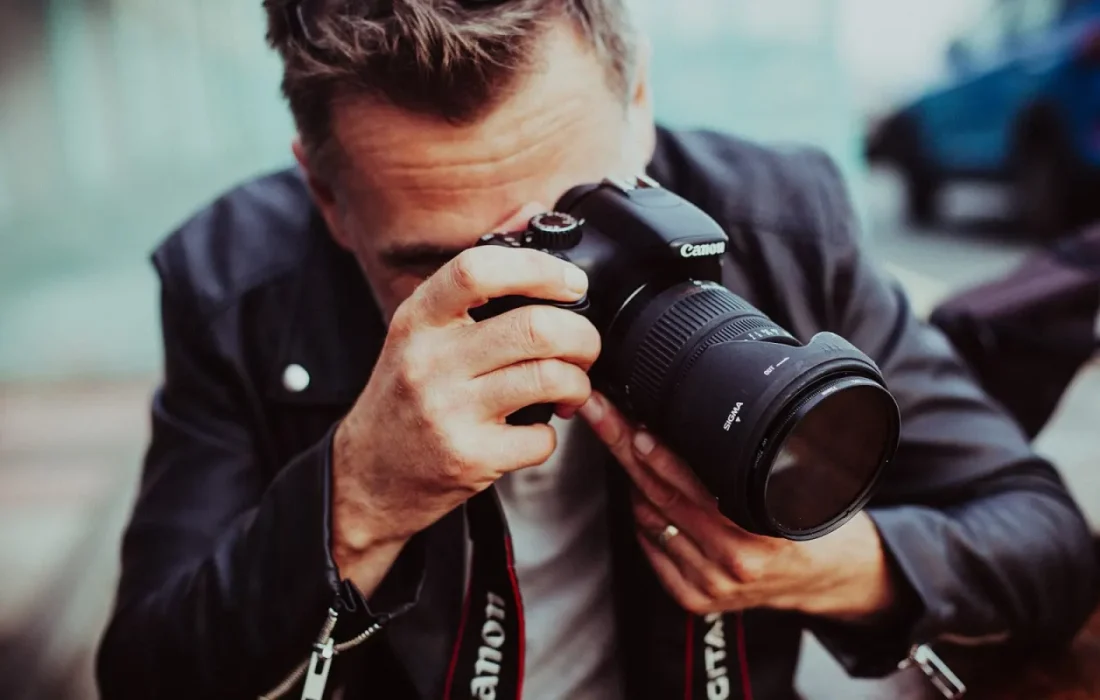
People are often less wary of being photographed than of not being seen.
Sophie Laurent
Respecting a no
A no is the most ordinary thing a street photographer will encounter, and it should be met as simply as possible. I don't argue, I don't insist and I don't ask for an explanation. I say thank you and move on. A no marks a person's boundary, and respecting that boundary is the most fundamental ethical principle of street photography. That way both sides stay comfortable and the encounter ends on a pleasant note, which also helps me shoot on the same street again later.
Sometimes someone notices me in frames I've taken without asking. In that case, I immediately lower the camera, smile and briefly explain what I'm doing. If they were bothered, I offer to delete the frames in front of them. This openness also matters for my reputation in the next street encounter, because the photography community gains or loses its reputation through behavior like this.
Sharing the photo with its subject
Sharing the photo with its subject is consent made complete. I show the frames on the camera screen right away and, if they like them, offer to bring a print the next day. Many people are surprised by this, because they've often been photographed and never seen the frame again. This small gesture turns the photo from an act of taking into a mutual exchange and makes people feel seen and valued.
| Topic | Portrait |
|---|---|
| Highlights | portrait, street photography, lens |
| Reading time | 6 minutes |
| Written by | Sophie Laurent |
Key takeaways
- A short, clear and honest first sentence usually brings a smile.
- Respecting a no with a thank-you and no argument is the core ethical principle.
- Sharing the frame with its subject or bringing a print balances the relationship.
Once, when I brought a print to an elderly vendor I had photographed at a market, he hung it on the wall of his shop. That gesture showed me why it matters. Giving a photo back instead of just taking it balances the relationship. When I photograph children, I always get a parent's permission and take care not to make their faces recognizable when sharing the images on social media.
What do you think about this post?

Leave a comment