





























If you feel you've reached the limits of the kit lens that came with your camera, it's time to make your first lens investment. But the dozens of options on the market can be confusing for beginners. Should you buy a prime lens or a versatile zoom? Does a wide aperture really matter that much? In this guide I explain in plain language the key criteria to consider when choosing your first lens, with recommendations for different budgets.
In this article
- What does focal length mean?
- The magic of a wide aperture
- Budget-friendly first lens picks
What does focal length mean?
Focal length determines a lens's angle of view. Low numbers mean a wide angle, while high numbers mean a narrow, magnified view. Around 25mm suits landscapes and architecture, around 50mm everyday scenes and around 85mm portraits. 100mm and beyond is for bringing distant subjects closer.
Depending on your camera's sensor size, the same number can give a different angle of view. On cameras with smaller sensors, the focal length is multiplied by a crop factor and the angle of view is narrower. So before buying a lens, check the equivalent values for your own camera. You can see which focal lengths you use most with your current lens by looking through your photo archive.
A good lens stays with you longer than your camera.
Jake Morales
The magic of a wide aperture
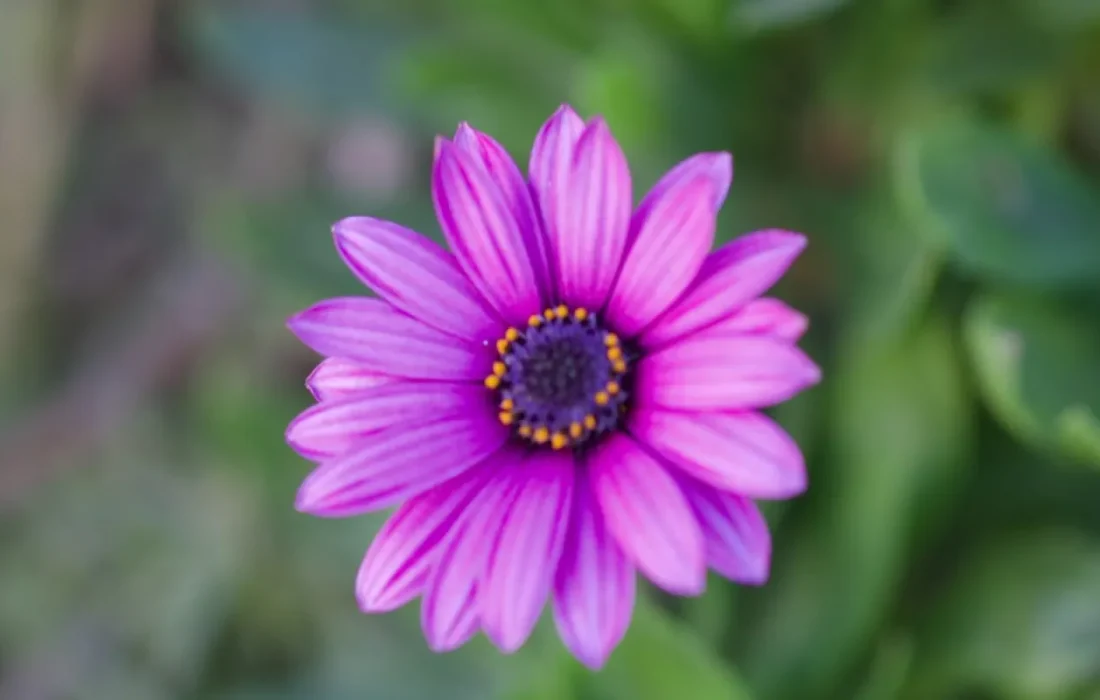
A wide aperture lets the lens gather more light. Small numbers like f/1.8 mean faster shutter speeds and lower ISO in low light. At the same time, a wide aperture blurs the background and makes the subject stand out. In portraits and street shots, this effect adds depth and a professional look to the frame. So aperture should be weighed not just against your budget but against your shooting habits.
A wide aperture offers flexibility that kit lenses don't. Taking photos without flash in a café in the late afternoon, catching a portrait at sunset or shooting handheld on the street at night all become possible with a fast lens. Still, because the depth of field at wide apertures is very shallow, you need to watch out for focus errors, and it takes a little time to get used to.
Budget-friendly first lens picks
As a budget-friendly first lens, I recommend a 50mm f/1.8 prime. Most systems offer an affordable, light and sharp option. It's versatile for street, portrait, food and everyday frames. Thanks to its small size, it takes up no room in your bag and is easy to carry with the camera. That small size makes it easy to have with you every day, turning it into a habit.
| Topic | Gear |
|---|---|
| Highlights | lens, mirrorless camera, composition |
| Reading time | 8 minutes |
| Written by | Jake Morales |
Key takeaways
- Focal length sets the angle of view; check the equivalent value for your sensor size.
- A wide aperture gives speed and background blur in low light.
- A 50mm f/1.8 prime is a budget-friendly, versatile start.
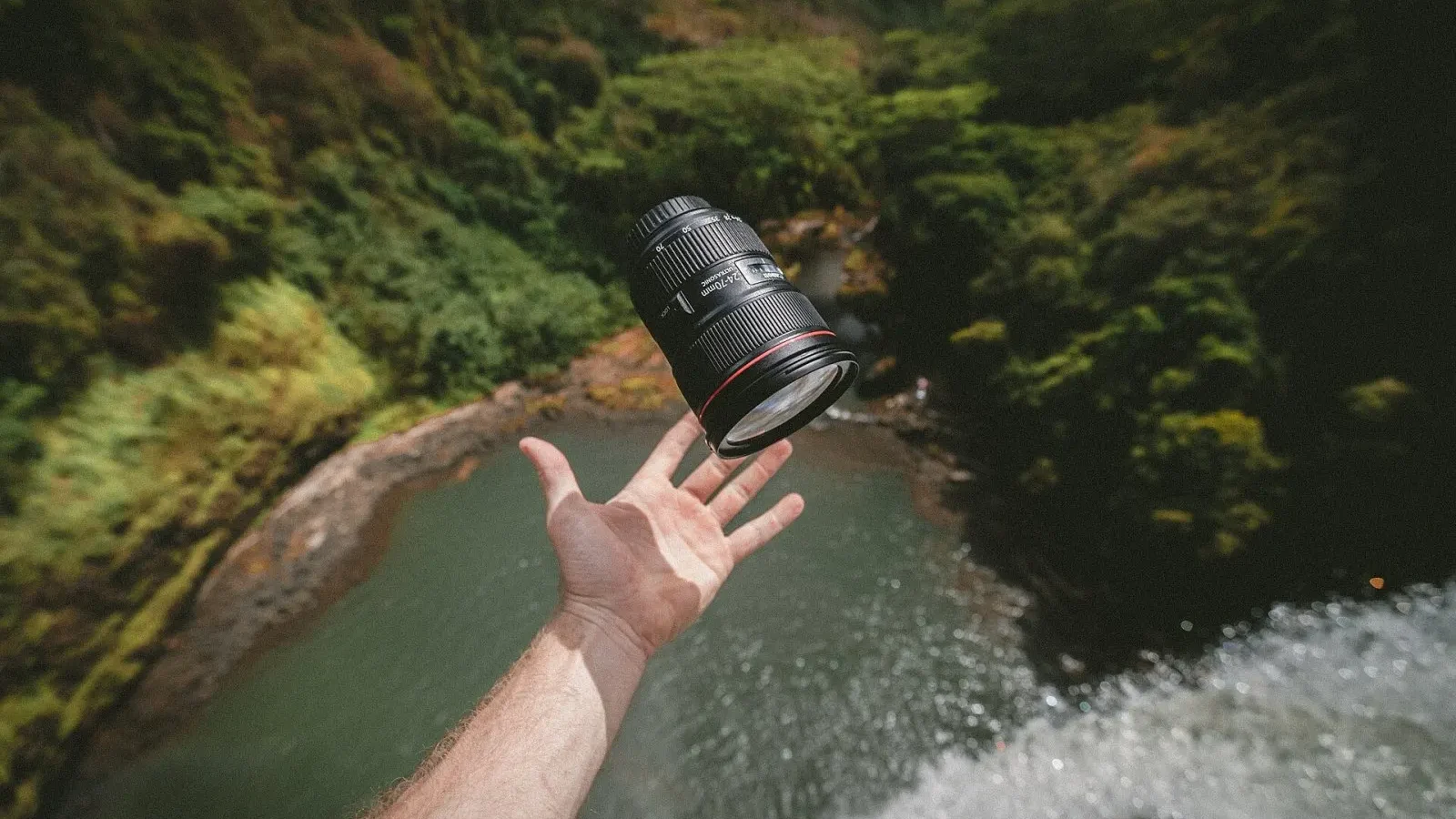
If you're looking for something more versatile, a 24–70mm zoom is a good choice. It stretches from wide angle to short telephoto and is enough as a single lens for travel. Used lenses can ease the budget; before buying, check the lens elements for scratches, fungus and focus problems. The right decision is the one based on your own shooting habits.
What do you think about this post?
Leave a comment