





























































Table of contents
The way the engine drone fades away the moment you put on your headphones on a plane feels almost like magic. Yet behind it lies more than a century of physics and a tiny processor working at incredible speed. In this article we explain in plain language how active noise cancelling works, why it suppresses some sounds better than others, and which features to look for when choosing headphones.
Cancelling sound with sound: the basic physics
Sound is made of pressure fluctuations in the air. When two sound waves meet in exactly opposite phase, meaning the peak of one lines up with the trough of the other, they cancel each other out. Active noise cancelling is built on this principle. Microphones on the outside of the headphones listen to ambient noise, a tiny processor calculates its exact opposite, and the speaker plays this counter-wave along with your music. As a result, much of the noise disappears before it reaches your ear. Because all of this happens within a few microseconds, you hear only the music and a reduced background sound. The lower the latency, the more effective the cancelling.
This method is especially effective against low-frequency, regular and continuous sounds. Monotonous noise such as jet engines, air conditioner hum and the rumble of train tracks can be easily predicted and suppressed. Sudden, high-frequency sounds like speech, a crying baby or a slamming door, on the other hand, change too quickly to be fully blocked. This is where passive isolation comes in: ear cushions or silicone tips physically sealing the ear naturally reduce high frequencies. The best results come from passive and active methods working together.

Active noise cancelling doesn't create silence; it eliminates noise by producing its exact opposite.
Sophie Laurent
Hybrid systems and adaptive mode
Today's advanced headphones use hybrid systems. Outer microphones detect noise before it reaches the ear, while microphones inside the ear cup measure the sound actually reaching your ear and correct any remaining noise. This two-layer approach is effective over a much wider frequency range than systems that use outer microphones alone. The eight-microphone design of the Rezona Hush repeats this correction tens of thousands of times per second for an almost instant response. The placement of the microphones and the acoustic design of the ear cup are also an integral part of this success. The same software can deliver much weaker results in a different housing design.
Adaptive mode takes things a step further. The headphones continuously analyze the noise profile of your surroundings and adjust the cancelling level automatically. They won't apply unnecessarily strong cancelling in a quiet library, but ramp up the power when you step onto the subway. This reduces the feeling of pressure in your ears and also cuts battery consumption. Transparency mode does the opposite: it passes sound from the microphones to your ears so you can chat without taking your headphones off. Some models detect wind noise and automatically lower the sensitivity of the outer microphones to block the roar you get while cycling.
What to look for when buying
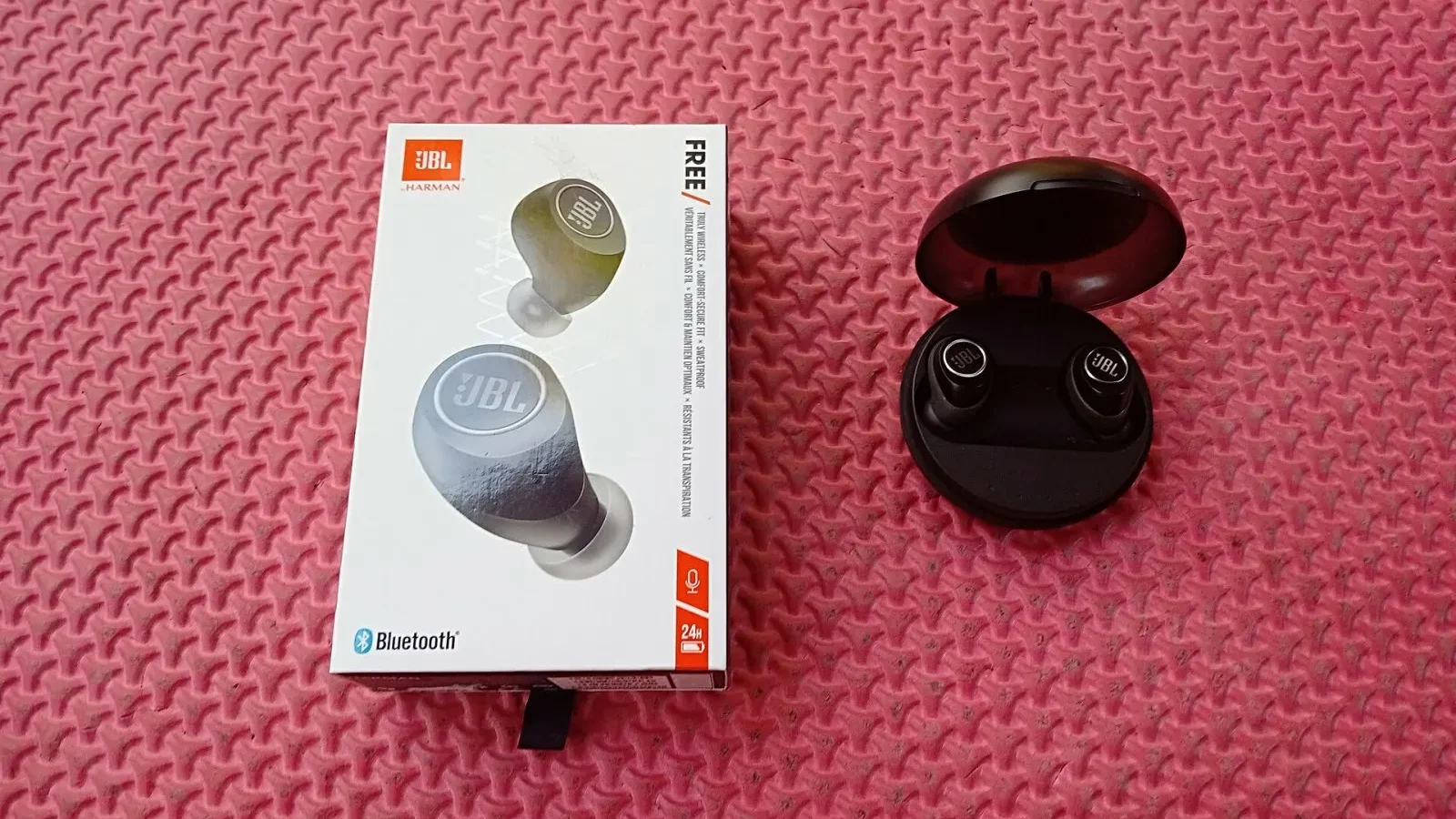
The first thing to consider when choosing headphones is where you'll use them. If you fly often or work in an open-plan office, an over-ear model gives the best results thanks to the passive isolation of its large ear cushions. If you work out or take short trips on public transport, an in-ear model like the Rezona Capsule Pro will be more practical. With in-ear models, choosing the right silicone tip size directly affects noise-cancelling performance. Trying headphones in our stores before you buy is the most reliable way to find out which form suits you best. If you wear glasses, be sure to test how much pressure over-ear models put on them.
| Topic | Reviews |
|---|---|
| Highlights | headphones, noise cancelling, battery life |
| Reading time | 7 minutes |
| Written by | Sophie Laurent |
Key takeaways
- ANC cancels noise by producing an inverted-phase copy of it.
- It's most effective on continuous low-frequency sounds and limited on sudden ones.
- Hybrid systems use outer and inner microphones together.
Next, look at battery life and comfort details. Active noise cancelling needs constant processing power, so it drains the battery faster; for long flights, choose models that offer at least 30 hours with ANC on. The ear cushion material, headband pressure and total weight become decisive over hours of use. Finally, if phone calls matter to you, be sure to check review results on microphone quality and wind-noise suppression. Multipoint support is a big convenience if you switch often between your phone and laptop.



2 Comments
Really useful piece, thank you for putting it together.
I had never thought about this side of it. Looking forward to a follow-up.