





































Track day guide: driving safely on a circuit for the first time as an amateur
If you want to try speed on a circuit in your own car, preparation, gear and etiquette make all the difference. We've put together a step-by-step guide for amateurs.
Table of contents
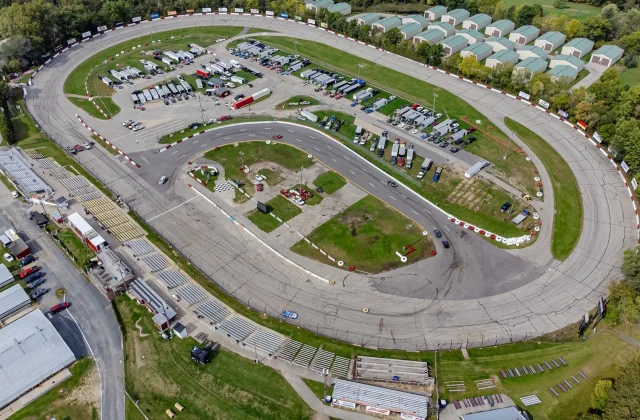
Track days are the best way to safely discover your car's limits away from traffic. But heading out onto a race circuit calls for very different preparation from an ordinary drive. The right tire pressures, fresh brake fluid and suitable clothing all directly affect how safe the experience is. In this guide we walk first-time amateurs through every step, from preparation to driving.
Car prep: brakes, tires and fluids
Always complete your car's maintenance before a track day. Make sure at least half of the brake pad material remains, the brake fluid has been replaced and the engine oil level is correct. On track, the brake system gets several times hotter than in everyday driving; old fluid can boil and suddenly rob the pedal of feel. These checks may take half a day, but they can prevent a costly failure during the track day.
Adjusting tire pressure for the day also matters. Rather than going out on cold tires, take the first lap cautiously and then check the pressure. Don't leave loose items in the car, take out the floor mats and empty the trunk. A helmet is mandatory, and most organizers require closed shoes and long-sleeved clothing. These precautions not only improve safety but also make the car behave more predictably and with better balance on track.
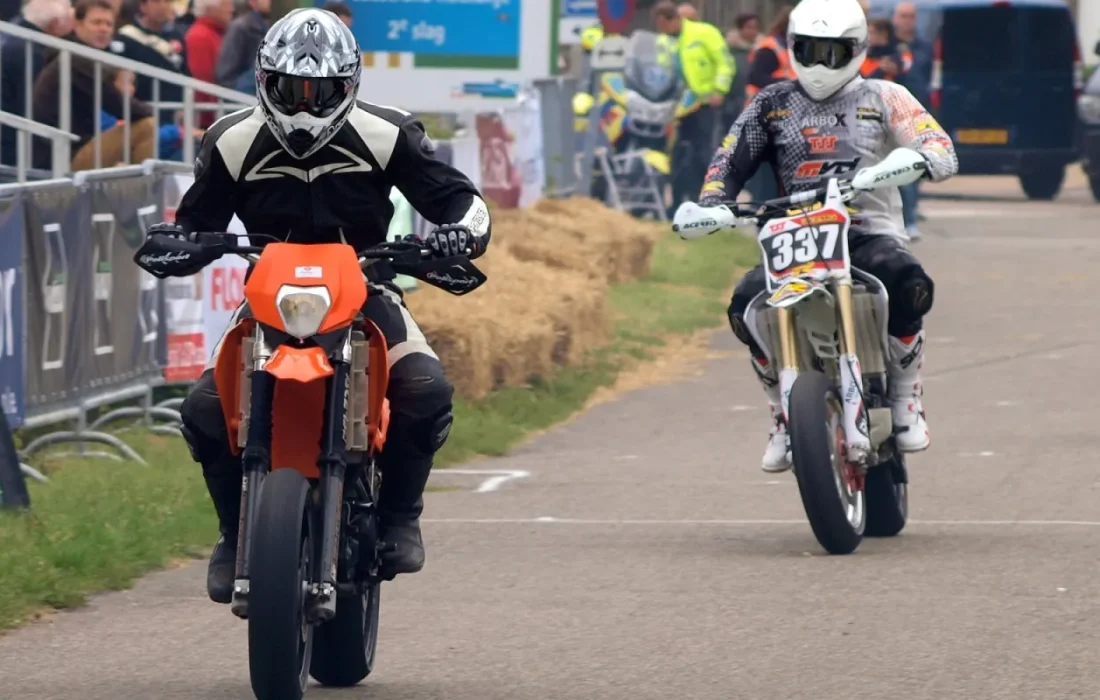
The first rule of being fast on track is learning your own limits without exceeding them.
Jake Morales
Track etiquette and flags
A track day starts with a briefing where drivers are first taken through the flag system. A yellow flag means caution and no overtaking; a blue flag means a faster car is coming up behind. Under a red flag, you're expected to slow down and return to the pit lane. Never skipping the briefing is essential for your safety and that of other participants. Organizers usually reinforce the meaning of the flags with a short quiz and don't let anyone on track without sign-off.
Remember, it's a day for learning, not racing. Overtaking is only done on the straights and when the other driver signals. A cool-down lap after every session balances brake and tire temperatures. Instructors usually sit beside you in the first session; listen to their advice and focus on using the throttle and steering smoothly. On track, respect and communication are considered far more important than speed.
After your first session: practical tips to improve
When your first session is over, check your car. Look at brake pad wear, the tire surfaces and fluid levels. This simple routine reduces the risk of problems in later sessions. Most track day events also offer technical checks and measurement services; making use of them gives you valuable information. If you notice anything significant, be sure to consult a mechanic or specialist before heading out for the next session.
| Topic | Motorsport |
|---|---|
| Highlights | road test, comparison, sedan |
| Reading time | 6 minutes |
| Written by | Jake Morales |
Key takeaways
- Replace the brake fluid and check pads and tires beforehand.
- Learn the flags; overtake only on the straights and when signaled.
- Focus on one thing per session and keep notes.
For drivers who want to improve, the best method is to keep short notes and focus on just one thing per session. You can work on braking points in one session and your cornering line in another. Patience and regular practice bring far more lasting progress than speed; over time you'll feel more confident on track.
What do you think about this post?

Leave a comment