































































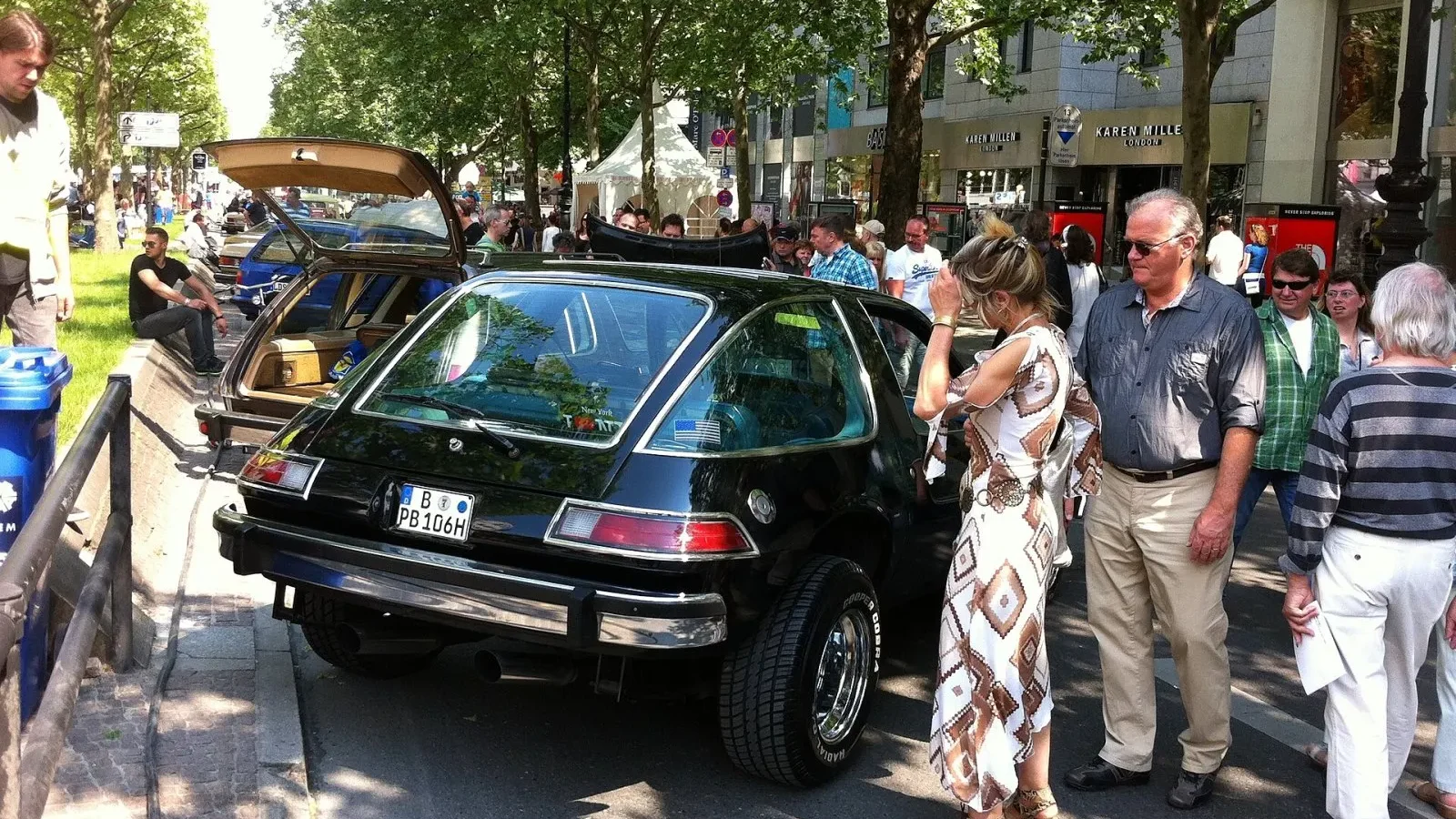
Restore or preserve? The details that set a classic car’s value
In the classic car world, every intervention can affect a car's value. We talked to appraisers and restorers about originality, documentation and the importance of restoration quality.
Table of contents
One of the most common dilemmas facing classic car owners is choosing between a full restoration and preserving the car in its original state. In the collector world, the value of factory parts, original paint and even patina built up over time rises every year. On the other hand, a comprehensive restoration is often the only way to get a car in poor condition back on the road. Appraiser Howard Stone stresses that a well-documented restoration protects a car's value, while careless work can lead to serious losses.
Why does originality matter so much?
In the collector world, originality is seen as a car's ID card. Paint, upholstery and an engine bay preserved as they left the factory are the most reliable evidence of a car's history. Appraiser Howard Stone points out that once a part has been replaced, there's often no going back. That's why every intervention calls for careful thought beforehand.
Surface marks built up over time, known as patina, can also be prized by collectors. A slightly faded seat or wear on the driver's door from years of use tells the car's story. That's why, for some cars, cleaning and preserving may be a better choice than restoring. The choice depends on the car's character and its owner's goals.
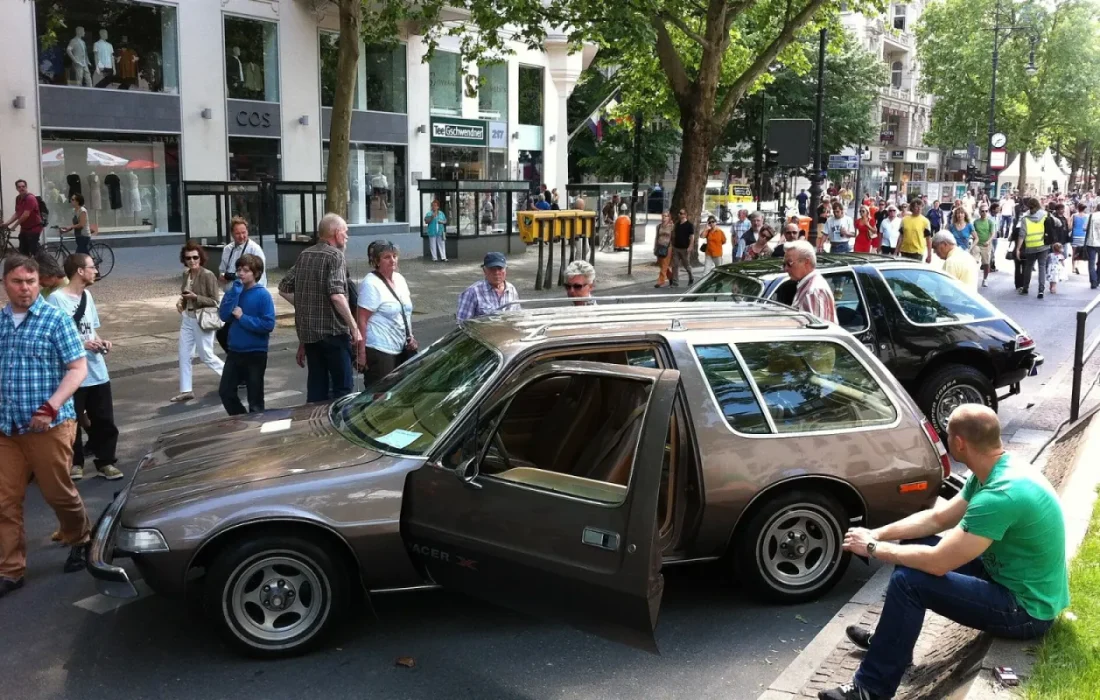
On a classic car, every screw is part of its story.
Sarah Bennett
How to recognize a good restoration
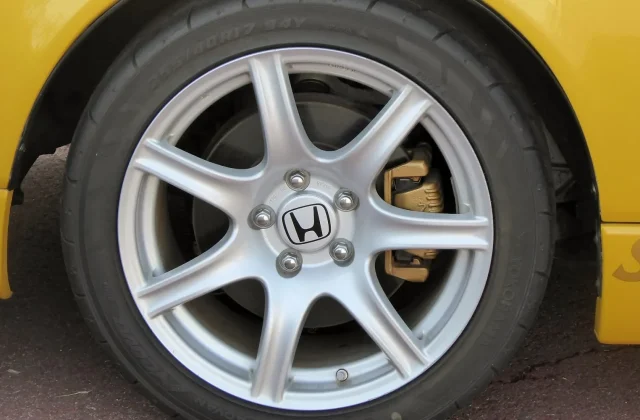
A good restoration is work so consistent you don't notice it at first glance. Even panel gaps, paint matching the original code and the stitching patterns in the upholstery all show quality. Stone says even the hose clamps and wiring used in the engine bay should be period-correct. When these details come together, the quality is immediately apparent.
A bad restoration, on the other hand, often reveals itself through modern materials used in the wrong places. Overly shiny chrome, the wrong color, mismatched wheels and historically incorrect accessories all lower value. Old weld marks beneath the paint or attempts to cover up surface rust also stand out immediately in an inspection. Experts spot these signs quickly.
Documents and history records
Paperwork is the third pillar that determines a classic car's value. The original invoice, service book, old registrations and photos prove the car's history. Documenting the restoration process with photos and invoices is very important for both credibility and a potential buyer's confidence. Without these documents, even the most beautiful restoration can lose value in a buyer's eyes.
| Topic | Classic Cars |
|---|---|
| Highlights | classic car, restoration, used cars |
| Reading time | 7 minutes |
| Written by | Sarah Bennett |
Key takeaways
- Factory paint, upholstery and parts form the foundation of a classic's value.
- A good restoration is recognized by period-correct details and consistent workmanship.
- Invoices, the service book and photos document the car's story.
Stone's advice is to compare the chassis number, engine number and production details with the manufacturer's records before buying a classic. Recording information about previous owners is a valuable extra. The appraiser stresses once again that a well-documented restoration protects value, while careless work can lead to serious losses.
What do you think about this post?

Leave a comment