


































Countdown to the Dakar Rally: we watched a privateer team prepare its car in the workshop
We visited the workshop of a privateer team gearing up for the desert marathon. Watch the preparations, from suspension setup to navigation training, in our video.
Table of contents
Taking part in the Dakar Rally, widely considered one of the toughest events in motorsport, takes months of meticulous preparation. We visited the workshop of a privateer team getting ready for this year's race and filmed what goes on behind the scenes. Team leader Tom Ericsson explains that competing in the desert is not just about speed but about vehicle durability and flawless navigation. Watch every step of the preparation in our video, from suspension tuned specifically for sand dunes to spare-parts planning.
Suspension retuned for the desert
When we walked into the workshop, the first thing we noticed was the car's engine cover hoisted up to the ceiling, with six people working around it. Team leader Tom Ericsson explains that desert terrain is different from European rally stages, and that on sand dunes the suspension has to provide long travel at high speed. That's why the shock settings are done from scratch. At the end of each day, the team carefully records the test results.
The car's fuel tank capacity has been increased, the skid plates reinforced and space made for extra spare tires. The cooling system has also been recalculated for desert heat. Engineers test every setting; trials in the sand pit behind the workshop provide the data that supports their setup decisions. Every change is verified and tested one last time before the race.
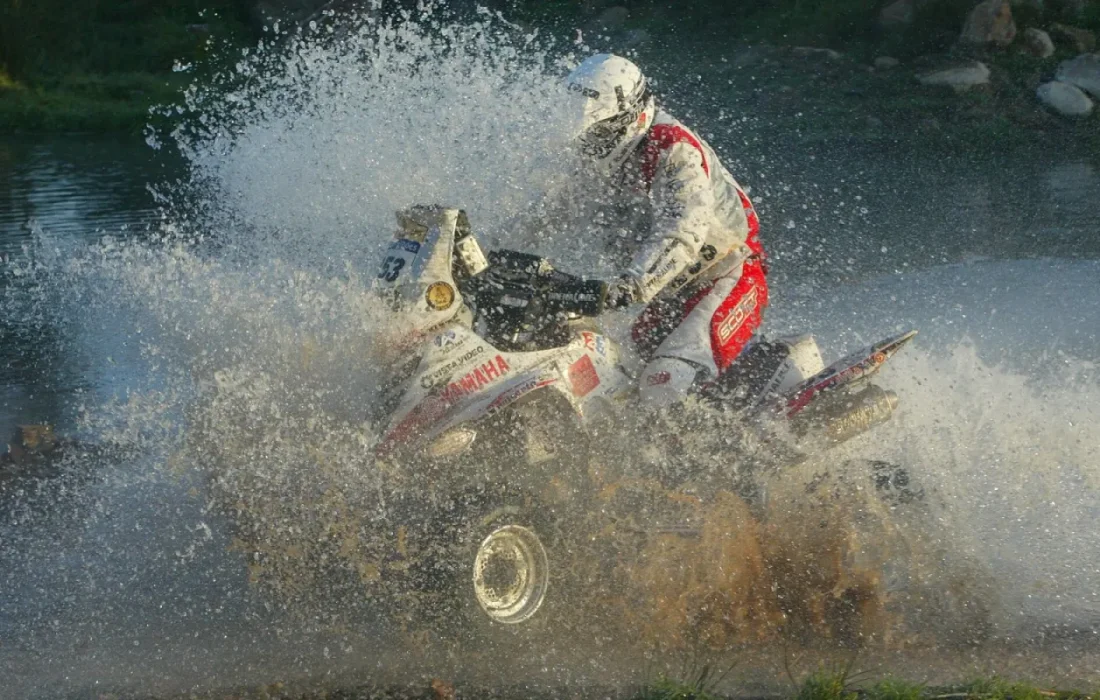
At the Dakar, the first goal isn't winning — it's making it back to the bivouac in one piece every evening.
Jake Morales
Navigation: the invisible race
At the Dakar, navigation is at least as important as speed. Every morning competitors are given the route only as a roadbook, and GPS assistance along the way is limited. The team's navigator trained for months to read the roadbook's symbols, direction arrows and distances correctly. He knows a single wrong turn can cost several hours. That detail can be important enough to decide the outcome of the race.
Training continues with simulations set up in the workshop and practice sessions out in open country. The navigator watches the speedometer and compass at the same time and relays the necessary information to the driver in short commands. The team leader likens this partnership to a dance: while the driver handles the throttle and steering, the navigator works as the mind of the route. Each must trust the other completely.
Budgets and the search for sponsors
An undertaking at this level is a serious burden on the budget. Spare parts, shipping, fuel, accommodation and entry fees add up to a big figure. The team plans to cover part of the budget from its own resources and the rest through sponsorship. Talks are ongoing, they say, but the goal is to have everything settled before the race.
| Topic | Motorsport |
|---|---|
| Highlights | rally, motorsport, road test |
| Reading time | 5 minutes |
| Written by | Jake Morales |
Key takeaways
- Suspension and cooling are being retuned for desert conditions.
- Navigation training is an invisible race seen as just as critical as speed.
- The team's goal is reaching the finish line rather than the standings.
For Ericsson, the real goal at the Dakar isn't the standings but seeing the finish line. The priorities are getting back to the bivouac safely every evening, preparing the car for the next day and keeping the team motivated. To avoid mistakes in tough conditions, they keep a large stock of spare parts. The energy in the workshop shows that this venture is more than a passion; it's a collective project.
What do you think about this post?
Leave a comment