





























































A youth drive in football: Provincial clubs upgrade their facilities
Provincial clubs are speeding up investment in facilities to develop young players. New training grounds and academies will help discover regional talent. The first graduates are expected to reach the professional game within a few years.
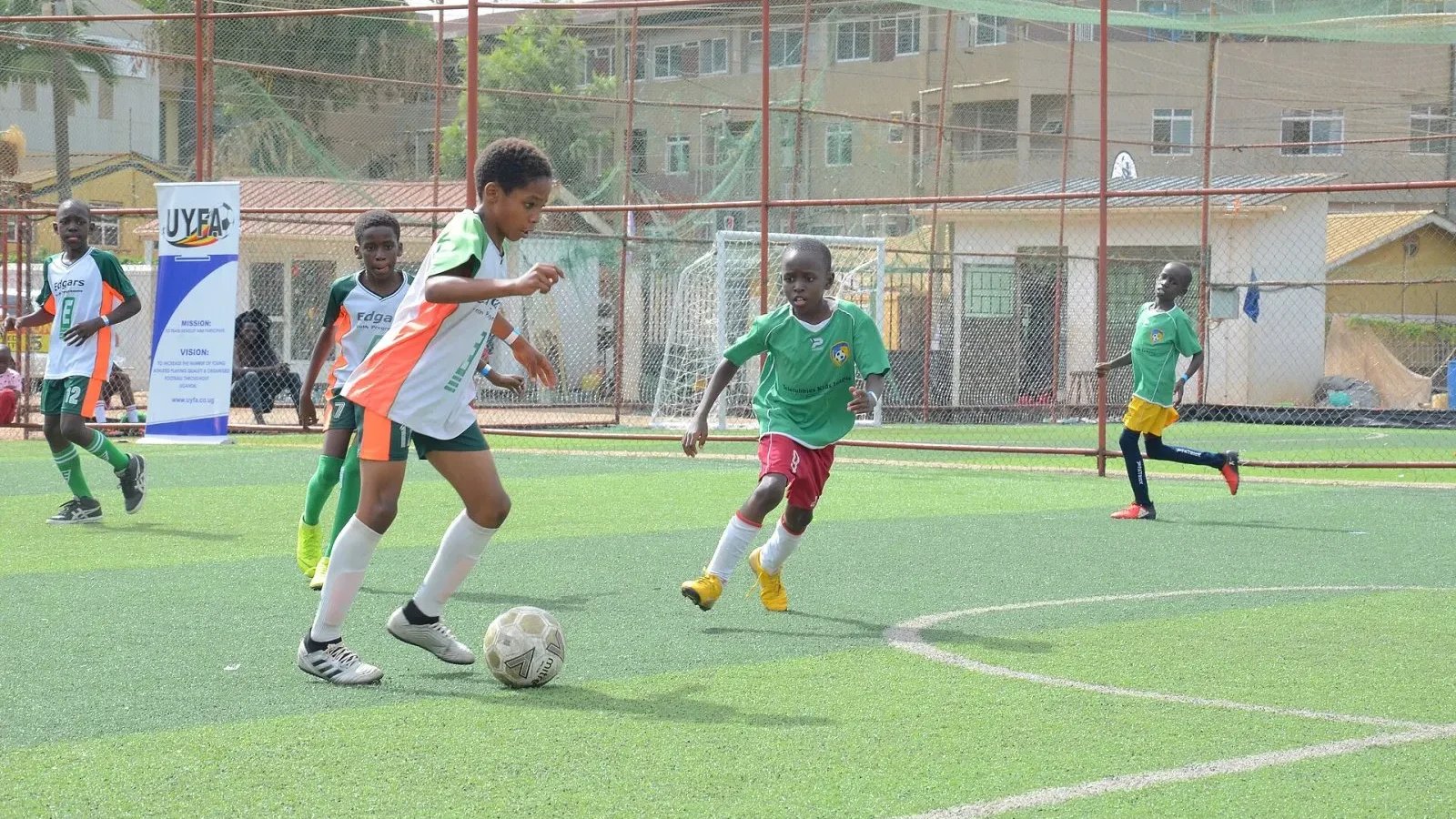
Table of contents
Long overshadowed by the big clubs, provincial sides have begun upgrading their youth facilities to invest in the future. Over the past two years, many clubs have built modern training pitches, residential academies and sports science labs with support from local governments. Club executives aim to develop the region's young talent in-house rather than lose it to the big cities. Our reporter visited one of the newly opened facilities and filmed the training sessions.
What the new facilities offer
The facility our reporter visited sits just outside the city center. With three natural grass pitches, an indoor hall and a small dormitory designed for resident youth players, the complex is seen as the heart of the club's youth program. Thanks to the new pitches' drainage system, training goes ahead even on rainy days. Local government representatives and former national team players attended the facility's opening.
In the sports science lab, young players undergo fitness tests and follow nutrition programs and injury prevention work. The coaching staff tracks each player's development with data tables and prepares individual plans. Club executives hope this youth setup will supply players to the first team within a few years. On weekdays, the youngsters go to school in the morning, train in the afternoon and do supervised study in the evening.

A player we develop ourselves is worth more than a star we sign.
Jake Morales
A regional talent pool
To build a regional talent pool, clubs are partnering with schools in surrounding districts. Trials are held in villages and towns during the summer break, and talented children are invited to the academies with their families' consent. Coaches place special emphasis on children doing well not just in football but in their studies too. If this support continues, clubs plan to increase the share they devote to youth development even further.
Managers say young talents who move to the big cities often struggle to adapt. They note that growing up in a familiar environment close to home helps young players develop both psychologically and athletically. Transport to training has also been made free with shuttles hired by local governments. Families say they are pleased their children can develop without leaving home.
What club executives are aiming for
Club executives take care to keep their goals realistic. They say they don't expect youth graduates to become stars overnight, but they want to prepare at least a few players for the first team every year. This goal is also expected to reduce transfer spending and benefit the club's budget. Some clubs are committing a significant share of their annual budgets to youth development.
| Topic | Sports |
|---|---|
| Highlights | football, education, city council |
| Reading time | 5 minutes |
| Written by | Jake Morales |
Key takeaways
- The new facilities include natural grass pitches, a sports lab and a residential dormitory.
- Clubs are discovering young local talent through partnerships with schools.
- The goal is to prepare a few youth players for the first team every year.
According to coaches, the key measure is not just how many players turn professional, but how many young people gain discipline and team spirit from the sport. A youth squad for girls' football will also be set up next season. Executives believe that similar investments spreading to other clubs will strengthen provincial football. The results of this youth drive are expected to show on the pitch in the coming seasons.


Leave a comment