















































The apprenticeship tradition makes a comeback in vocational training
Students at vocational high schools are learning a trade by working alongside master craftsmen on certain days of the week. The masters say fading crafts are drawing new interest.
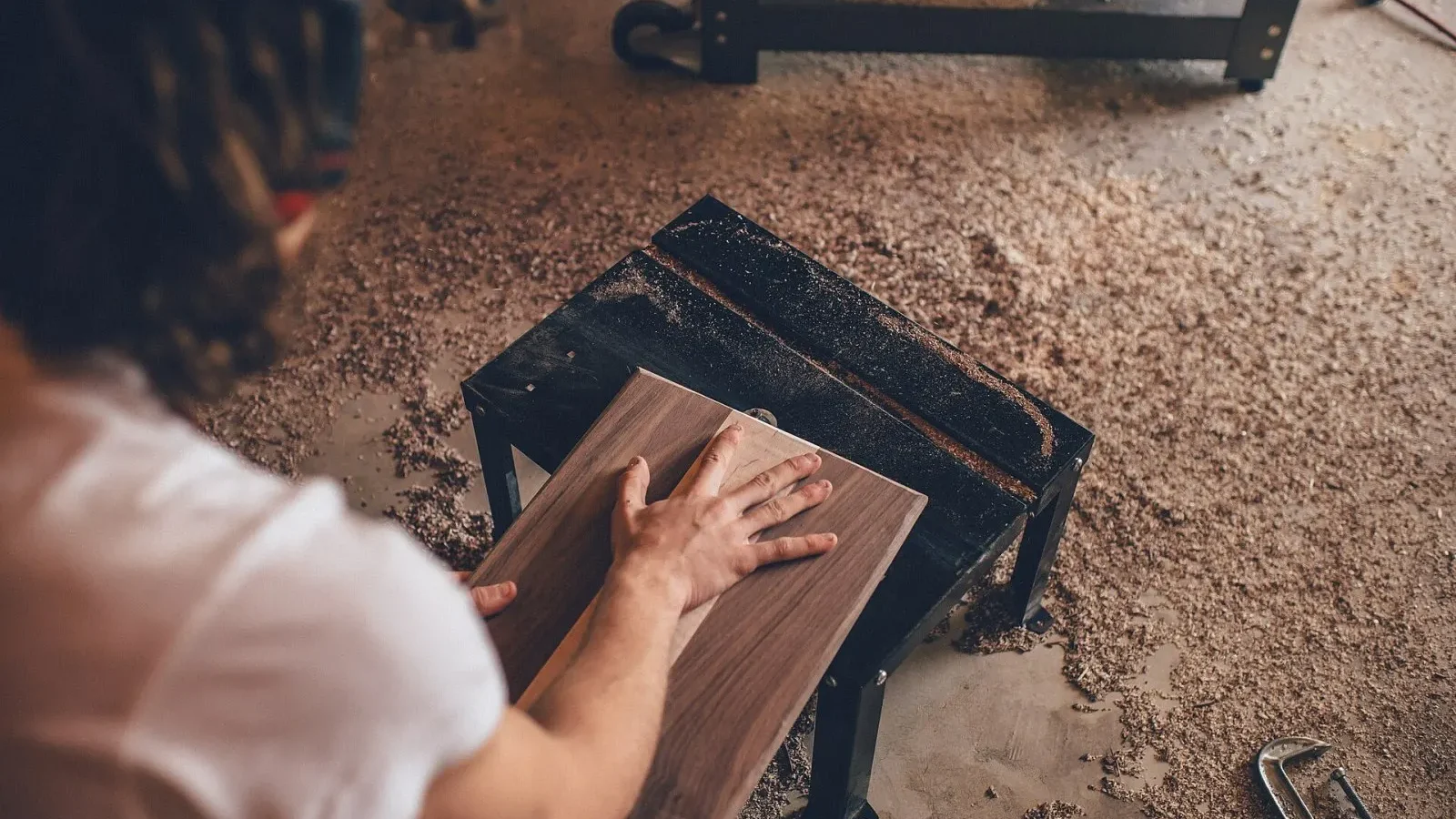
Table of contents
The apprenticeship model used in vocational high schools has become a new source of hope for both students and local tradespeople. On certain days of the week, students work alongside carpenters, machinists, electricians and furniture makers, learning the trade firsthand in the workshop. Isaac Dunn, a carpenter with thirty years' experience, says he couldn't find an apprentice for years, but now young people eager to learn a trade are knocking on his door. Under the program, students are also paid a stipend set as a percentage of the minimum wage. Our reporter filmed a master and his apprentice in a carpentry workshop.
A day with the master
At Isaac Dunn's carpentry workshop, the apprentices start work at 8 a.m. The vocational high school students first go over the safety rules, then take on small tasks the master gives them. Learning begins with measuring boards, planing and sanding, and gradually extends all the way to assembling furniture. The sounds of the workshop, the smell of wood shavings and the master's calm voice make for the finest example of a learning environment.
The master shows each task himself before having his apprentice do it. He says explaining things patiently is the most important part of passing on a trade properly. Students who come to the workshop say seeing the theory they learned in class put into practice makes things much easier for them. On the other days of the week, they continue their lessons at school. This partnership also makes it possible for the master to pass his knowledge on to the future.
A young person with a trade in hand will never be out of work.
Sarah Bennett
What do the students think?
One of the apprentices says his hands were shaking on his first day in the workshop, but within weeks his sharpening skills gave him confidence. Another student says he enjoys the workshop more than his classes at school and loves his trade. Families also express the relief of knowing their children will have a profession. Educators say programs like this make it easier for young people to prepare for the job market.
Some students are also thinking about going on to university. Vocational high school graduates can reportedly be admitted to related programs without an entrance exam. Educators want the apprenticeship model to be seen not just as an option but as a good career path, and they remind young people that different routes are always open. Some masters also plan to gradually give their apprentices more responsibility and eventually hand over their business.
Trades with guaranteed jobs
The trades in demand in the program include electrical work, plumbing, machining, carpentry, welding and maintenance and repair. Chambers of industry say there is still a shortage of skilled workers in these fields and graduates have no trouble finding jobs. The stipend paid to students is calculated as a percentage of the minimum wage. This pay allows students both to learn a trade and to contribute to their families.
| Topic | Education |
|---|---|
| Highlights | education, minimum wage, city council |
| Reading time | 5 minutes |
| Written by | Sarah Bennett |
Key takeaways
- Vocational high school students work alongside a master on certain days of the week.
- Demand is high in trades such as electrical work, plumbing, machining and carpentry.
- Students are paid a stipend set as a percentage of the minimum wage.
The masters want shared working environments strengthened so the program can expand. They are asking for training support for small workshops and for easier rules on insurance and workplace safety. Isaac Dunn says training apprentices is everyone's responsibility if the trade is not to disappear, and he keeps his door open to young people. The workshop door is still open to any young person who truly wants to learn.

Leave a comment