























































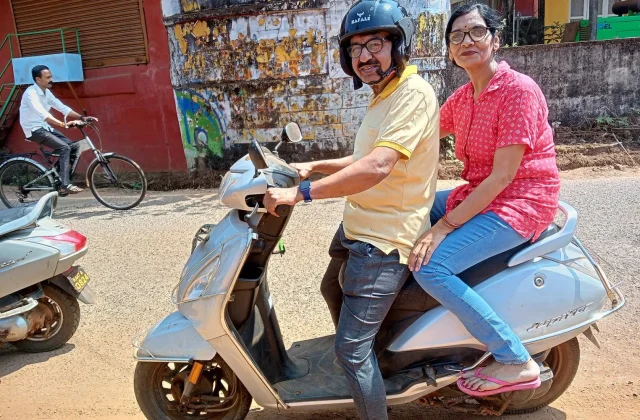



Veteran writer Oliver Grant: “A newspaper is a nation’s daily memory”
Speaking to us on the occasion of our newspaper's founding anniversary, veteran writer Oliver Grant discussed the place of the printed press in public life and the enduring values of journalism. The full interview appears in our Sunday supplement.
Speaking to us on the occasion of our newspaper's founding anniversary, veteran writer Oliver Grant discussed the place of the printed press in public life and the enduring values of journalism. The full interview appears in our Sunday supplement.
Table of contents
Veteran writer Oliver Grant, who has spent most of a career spanning more than forty years in the pages of our newspaper, shared his memories with us to mark our founding anniversary. Recalling that his journey began to the clatter of a typewriter and now reaches all the way to screens, Grant stressed that while the tools may change, the essence of journalism does not. Describing accuracy, impartiality and respect for the reader as the cornerstones of the profession, Grant offered this as his most striking line.
Memories from a forty-year career
Grant still smiles as he recalls his early years in journalism. Back then, stories were written on typewriters, photos were printed in the darkroom and pages were set in lead type. He says he still remembers with joy the smell of ink arriving from the press at midnight and the moment the first copies reached the newsroom. As he speaks, his eyes light up, and he says that same excitement still stirs in him when he opens the morning paper.
One of the most memorable moments of his career came during a flood in a small town, when the phone lines went down and he sent his story to the newsroom with a bus driver. He still keeps the letters readers sent about that story, which ran on the front page the next morning. To him, journalism is a responsibility that begins in the field and ends with the reader. He adds that he is now thinking of turning many of these memories into a book for young people.
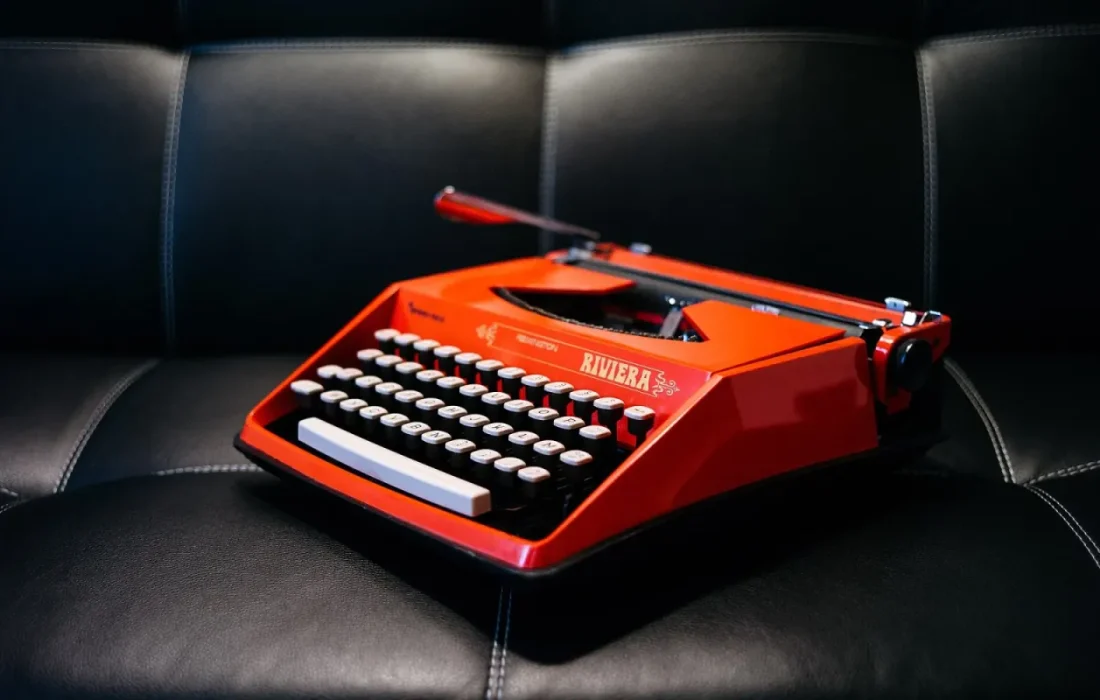
A newspaper is a nation's daily memory.
Emily Carter
Journalism in the digital age
The speed of news has increased in the digital age, but according to Grant, speed can never replace accuracy. He says every piece of information circulating on social media must be verified in the first hours; otherwise, the newspaper also becomes a spreader of falsehoods. Newsrooms now often compete not with one source but with hundreds, he notes. That is why he believes standing behind every piece of information published on his page is a writer's most basic duty.
Still, he isn't without hope. He believes readers looking for quality content are still looking for a newspaper they can trust. He stresses that readers want to know there is a name, hard work and accountability behind the news they are given. To him, building trust rather than chasing clicks is a newspaper's most valuable investment. The letters he has received over the years and his face-to-face encounters with readers have only strengthened that belief.
Advice for young journalists
His first piece of advice to young journalists is never to stop being curious. His second is to put the phone away and listen to people. Grant explains that a good story often emerges on the street, at the market, in a hospital corridor or in a village café, and recommends that every young reporter spend some time on local news. That's why he places great value on young colleagues gaining experience in local reporting and in neighborhood and village life.
| Topic | Columns |
|---|---|
| Highlights | opinion, books, education |
| Reading time | 4 minutes |
| Written by | Emily Carter |
Key takeaways
- Grant shared memories from a forty-year career, from the typewriter to digital.
- He stressed that accuracy, not speed, is journalism's core value.
- He urged young journalists to be curious, to listen and to correct their mistakes.
His third piece of advice is not to fear mistakes, but never to shy away from correcting them. He says that correcting a name he had misspelled, with an apology the next day, earned him trust for life. Wrapping up the interview, he advised his young colleagues never to put their pens ahead of the reader, but to walk alongside them. His words drew long applause from everyone in the room where the interview took place.


Leave a comment