




























































Column: Making our cities walkable is everyone’s job
Our columnist questions how car-centered urban planning shapes our daily lives and discusses concrete steps toward more human-scale cities. The full column is in today's edition.
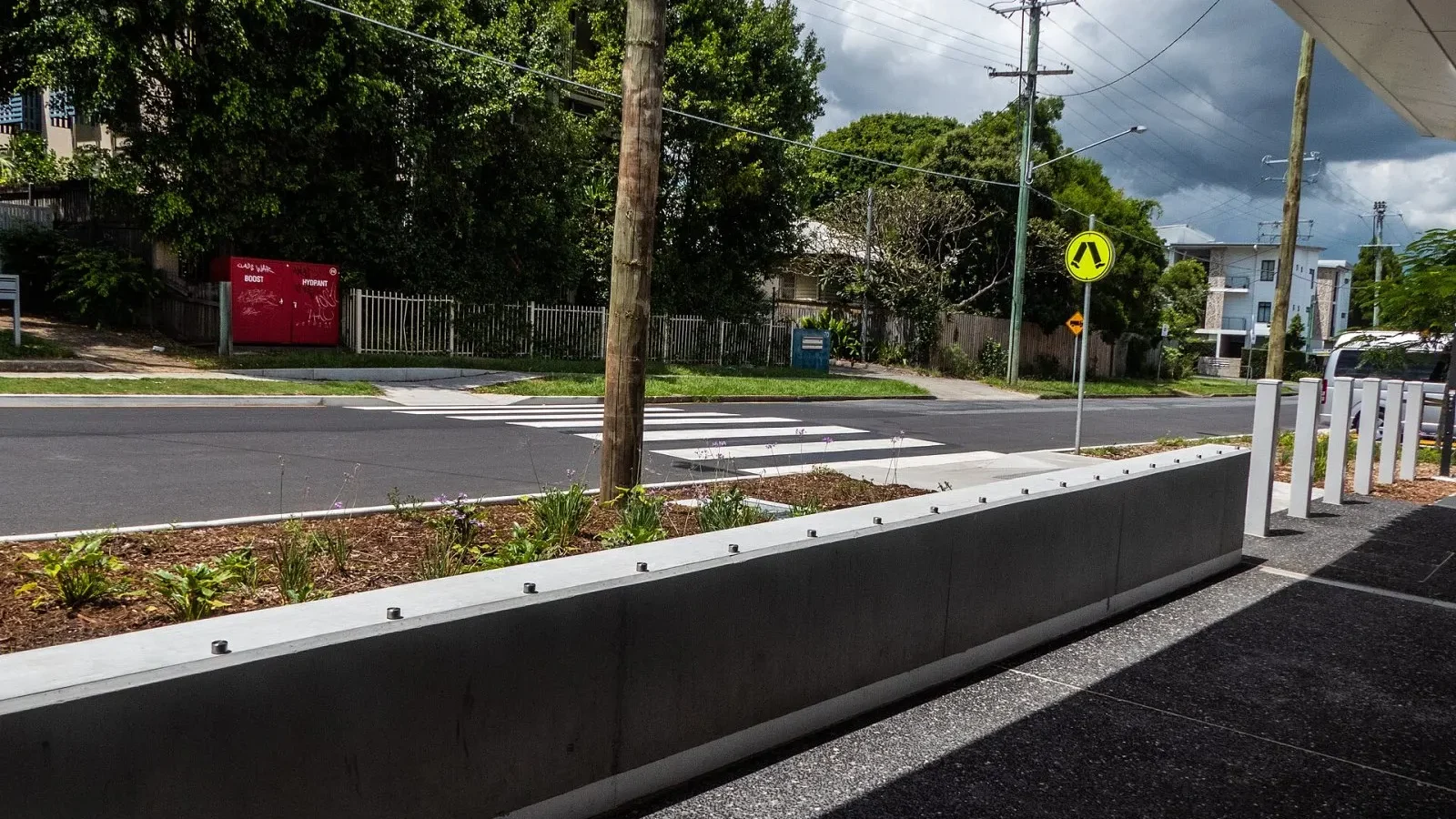
Table of contents
To understand how livable a city is, you only need to look at its sidewalks. The streets of our childhood neighborhoods, where we could walk safely and stop to chat with neighbors, have gradually given way to parking lots and wide avenues. Today, in many cities, it is almost impossible to find a sidewalk where a mother with a stroller or an older person with a cane can walk comfortably. Yet walkable cities are not only healthier; they are also fairer.
The vanishing story of the sidewalk
A neighborhood's story is told on its sidewalks. The neighbors who once chatted on chairs set out by their front doors have become pedestrians trying to squeeze between parking lines. A new street is measured by how many cars it serves; how many children can safely walk to school is often left out of the equation. And this problem isn't limited to big cities; sidewalks in small towns share the same fate.
In saying this, I'm not so much longing for the past as pointing to what we need today. Narrow sidewalks, steep ramps, footpaths that suddenly end and poles in the wrong place create the city's quietest victims. Most of us only notice these obstacles the day we try to walk with a stroller or a cane. Walking is the simplest expression of both freedom and equality, but on a path full of obstacles, that freedom disappears.
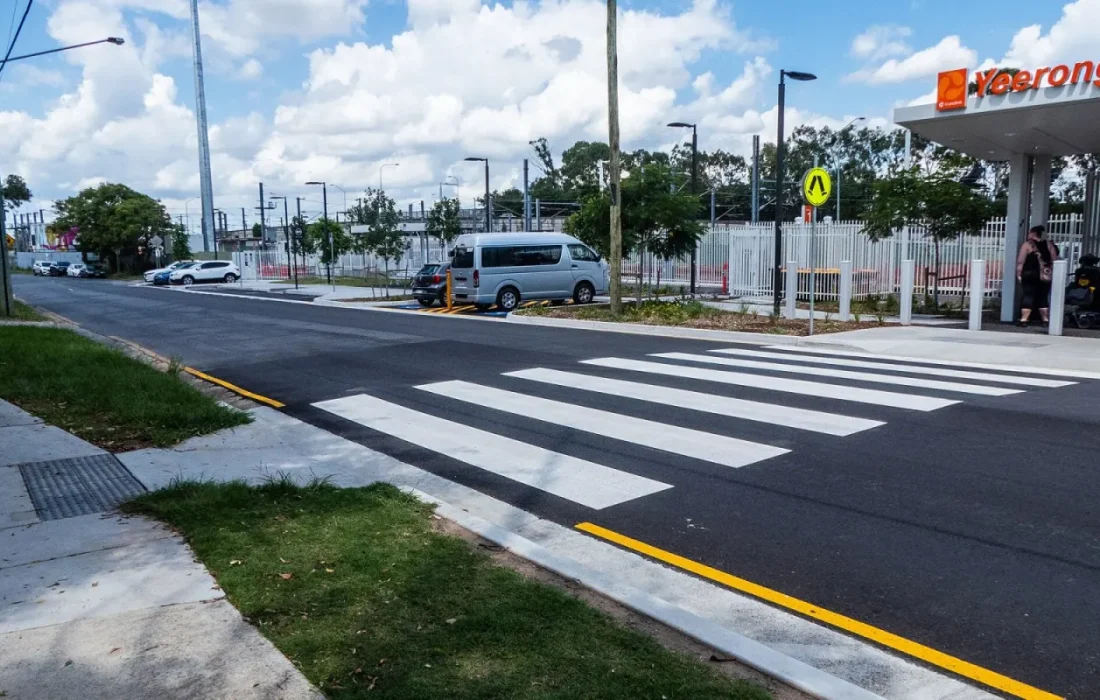
A walkable city is, above all, a city for those who don't own a car.
Emily Carter
A city for children and older people
Children and older people are the ones who experience the city most on foot. A child who can't find a safe crossing on the way to school has to be dropped off by car every day, which affects both traffic and the child's sense of independence. For older people, a neighborhood without enough places to rest can mean never leaving the house. A neighborhood where a child can walk to the corner shop alone is also a measure of trust.
To tell whether a city is truly inclusive, you only need to see whether everyone aged eight to eighty can walk comfortably down the same street. The number of benches, shady trees and frequent crosswalks may seem like small things, but they are details that change lives. Even a small bench can give an older neighbor the courage to leave the house.
Where does change begin?
Change begins not with grand projects but with small, determined steps. Councils can limit vehicle speeds around schools, crack down on sidewalk obstructions and connect bike paths and footpaths. But the real transformation lies in how we see the city. When we ask who the sidewalk outside our door belongs to, the answer reminds us of our shared responsibility. This kind of determination can make a difference within a few years, even for local governments on tight budgets.
| Topic | Columns |
|---|---|
| Highlights | opinion, transport, city council |
| Reading time | 6 minutes |
| Written by | Emily Carter |
Key takeaways
- Sidewalks show a city's livability and fairness more clearly than anything else.
- Safe crossings and places to rest are a must for children and older people.
- Change begins with small, determined steps and everyone's contribution.
I have a small request for everyone reading this: this week, try walking to work, school or the shops at least one day. Note every obstacle you encounter and pass it on to your neighborhood representative or your council. A walkable city is only possible when the voices of those who walk are heard. Because cities are shaped by the demands of the people who use them.



Leave a comment