
















Ten common scholarship interview questions and prep tips to help you stay calm
For candidates who make it past the file stage, we have gathered the evaluation approach and prep tips of the fictional Brighter Tomorrows Scholarship Foundation.
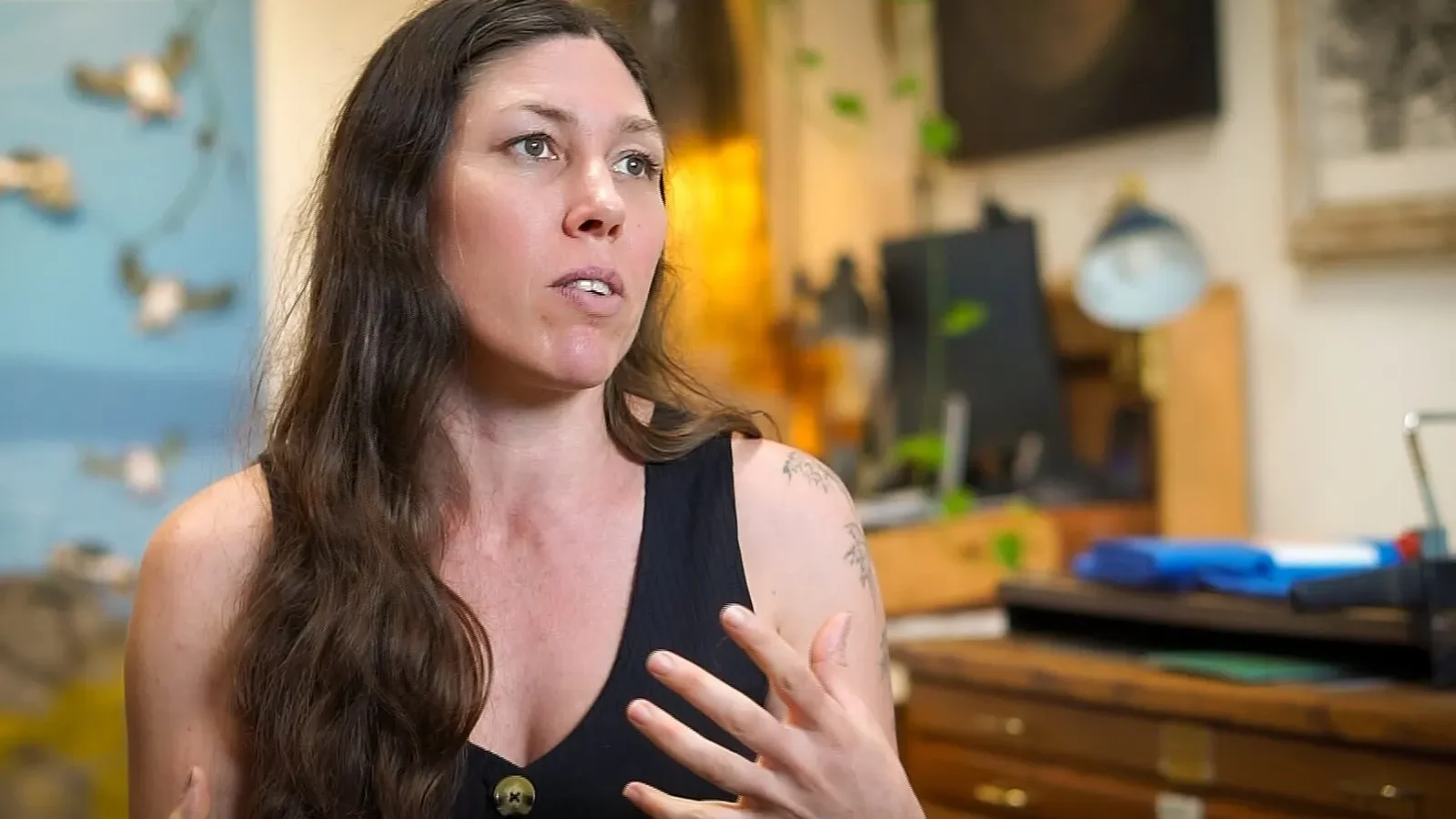
Table of contents
Candidates who pass the file review in scholarship applications are often invited to an in-person or online interview. For students facing such a conversation for the first time, this stage can be both the most exciting and the most nerve-racking part of the process. A volunteer who has served for years on the evaluation panel of the fictional Brighter Tomorrows Scholarship Foundation says the panel values a candidate's ability to express themselves sincerely far more than rehearsed answers. In this article we bring together the ten questions that come up most often in scholarship interviews, frameworks for approaching them and practical tips to help you stay calm on interview day.
What does the panel want to know?
In scholarship interviews, the panel's real goal is to get to know the candidate as a person beyond what is in the file. A volunteer panel member at the fictional Brighter Tomorrows Scholarship Foundation says they pay attention less to candidates' academic achievements than to how they express their goals, how they handle challenges and their desire to contribute to their community. The panel tries to understand why the candidate wants the scholarship and how they will use the support. That is why sincerity is valued far more than perfect sentences.
The panel member observes that some candidates treat the interview like an exam and try to find the right answer. Yet most questions have no single right answer; what matters is that candidates can build a coherent story from their own experiences. Consistency between what is written in the file and what is said in the interview also builds trust. That is why rereading your own application file and remembering the points in your letter before the interview is recommended. Knowing that the panel tries to put candidates at ease also helps calm nerves.
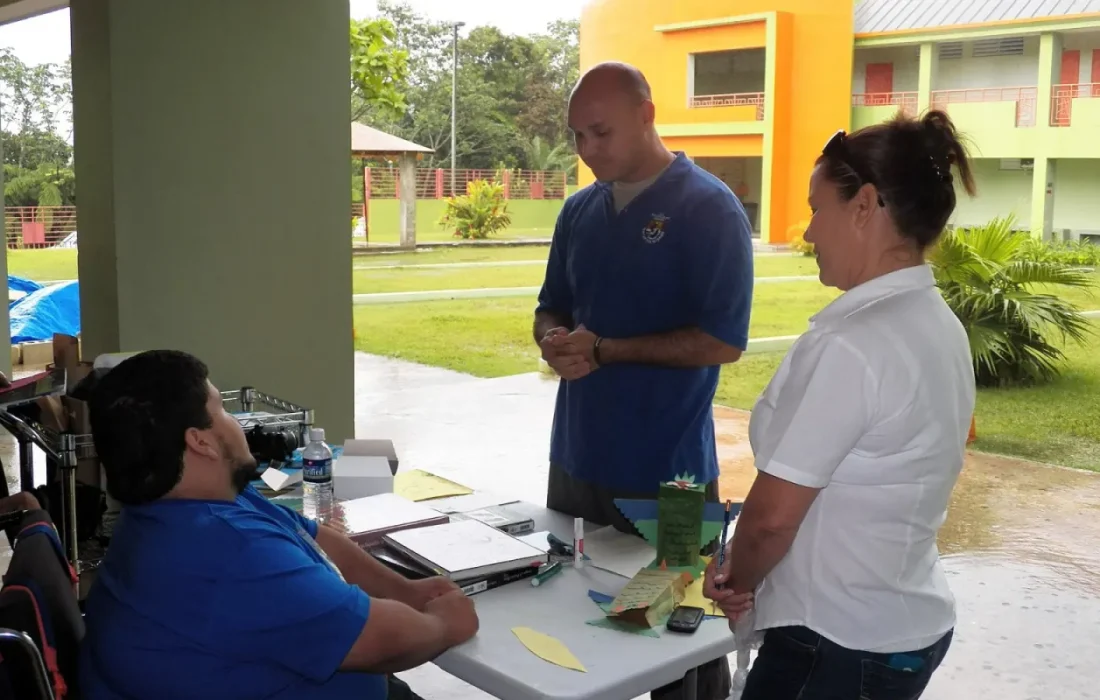
The panel is not looking for a flawless candidate, but for a young person who knows themselves and can explain their goals.
Sophie Laurent
Common questions and answer frameworks
The most common questions include briefly introducing yourself, why you chose your major, your future goals and what the scholarship means to you. Questions about a book you have read recently, a challenge you faced and how you overcame it, how you spend your free time and how you would like to contribute to society are also asked frequently. Each of these questions aims to see the candidate's personality from a different angle and calls for answers with short examples.
Advisors recommend preparing a few key ideas and one concrete example for each question instead of a memorized script. For example, when describing a challenge, walking through the situation, what you did and what you learned from it in order keeps your answer organized. Honestly saying so when you don't know or aren't sure about an answer is received far more positively than evasive responses. Asking the panel a question yourself at the end of the interview is a nice way to close that shows your interest and makes the conversation two-way.
Practical notes for interview day
A few practical steps make preparing for interview day easier. For in-person interviews, arriving at least fifteen minutes early is recommended; for online interviews, test your connection, camera and audio in advance. Choosing a quiet, well-lit space with a simple background also matters for online interviews. A clean, comfortable outfit without anything over the top is considered enough. Keeping a copy of your application file with you also gives you confidence.
| Topic | Scholarships |
|---|---|
| Highlights | scholarship, interview, motivation |
| Reading time | 6 minutes |
| Written by | Sophie Laurent |
Key takeaways
- The panel looks for a sincere, consistent story rather than flawless answers.
- Prepare key ideas and concrete examples for each question instead of memorized scripts.
- A mock interview and a tech check ease nerves on interview day.
Feeling nervous is completely natural, and panel members know it. Taking a few deep breaths before the interview, pausing for a second or two before answering and forming your sentences without rushing all help you stay calm. Doing a mock interview with a friend or teacher also helps you feel more comfortable in the real thing. Even if the result is negative, every interview should be seen as valuable experience for the next application and offers a chance to improve.
You may also like
What do you think about this post?

Leave a comment