








Career fair season is here: Seven things to prepare before you walk the booths
Career days have started on campuses. Here is the prep list that helps you leave the fair with real connections, not a stack of business cards.
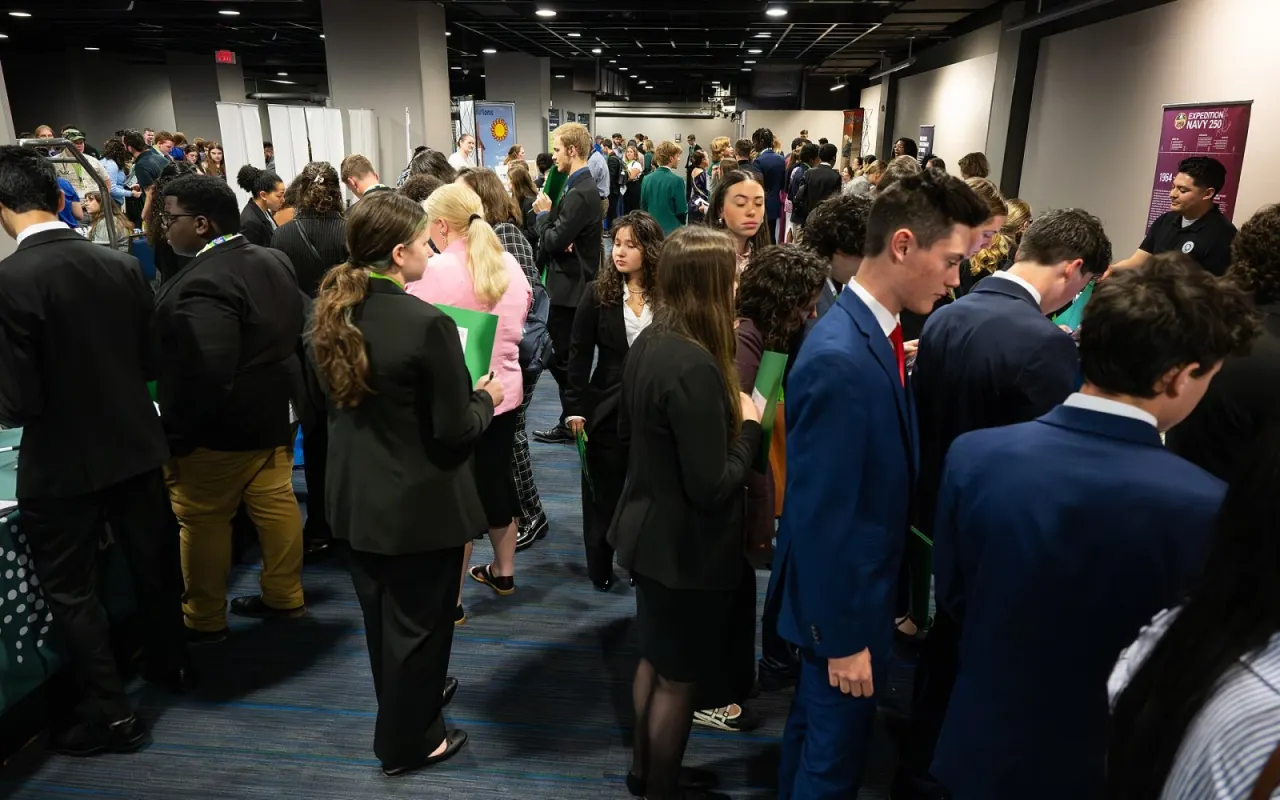
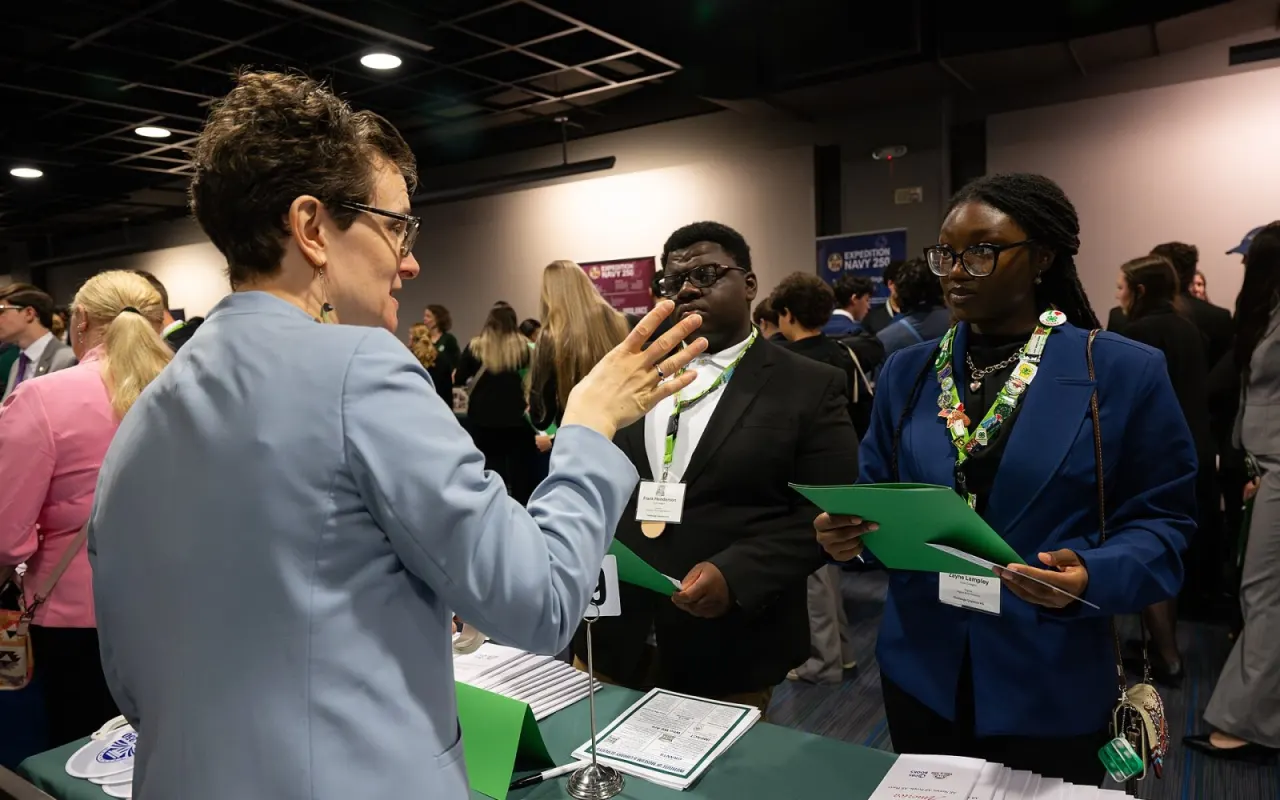
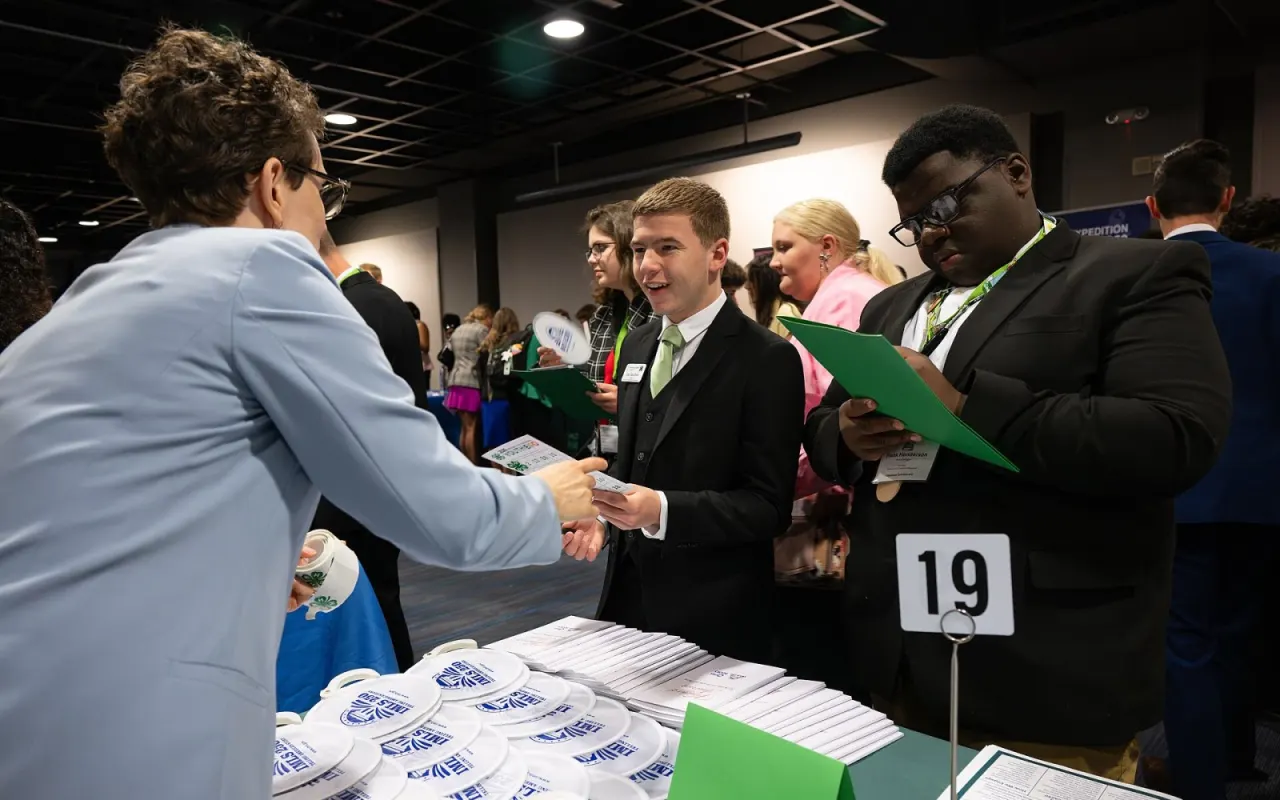
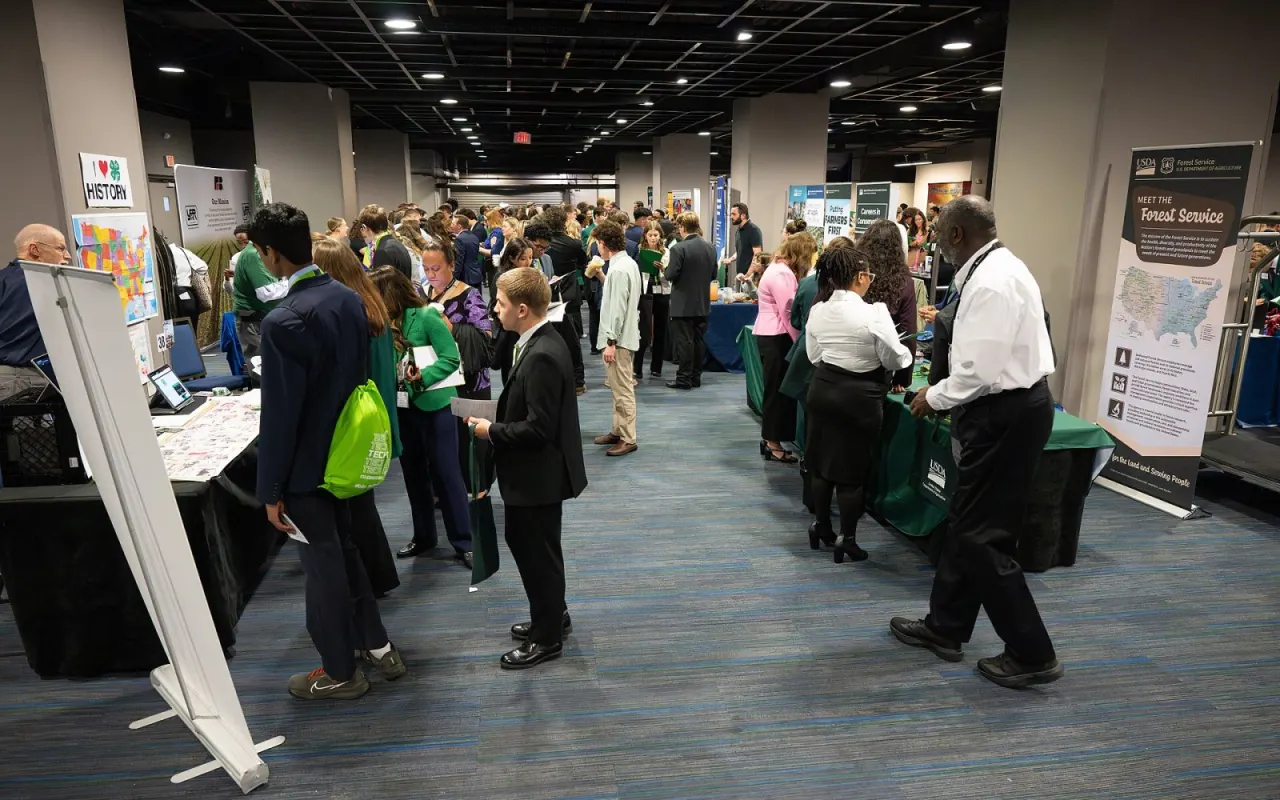
Table of contents
The fall semester is the busiest time of year for university career centers. Throughout November, dozens of companies, public agencies and nonprofits will meet students at career days on campuses everywhere. Specialists at the fictional Northfield University Career Center say most students who arrive unprepared end the day with a pile of brochures, while good preparation can even land an internship interview the same day. In this article we bring together a seven-step prep list, from researching companies and a short elevator pitch to an up-to-date résumé and a thank-you note after the fair, along with photos from last year's event. Check your own school's career center for the fair schedule.
Before the fair: Research and a target list
The first step in preparing for a fair is reviewing the list of participating organizations in advance. Career centers usually publish the exhibitor list a week before the fair. Picking the five or six organizations closest to your interests and briefly researching each one's field, internship programs and recent projects lets you have a far more meaningful conversation at the booth. A specialist at the fictional Northfield University Career Center says students who have done their research are noticed right away.
Adding one or two questions for each organization to your list is also good preparation. Asking what kind of training the organization offers interns, what a typical day looks like for its teams or what the application timeline is are concrete questions that show your interest. Bringing a few printed copies of an up-to-date, one-page résumé while keeping a digital version ready on your phone are steps not to forget. Make sure your contact details on the résumé are current and that you use a professional email address.

At a fair, the goal is not to talk to everyone but to have a good conversation with the right three people.
Jake Morales
First impressions at the booth
The first few minutes at a booth are decisive for leaving a lasting impression. Experts recommend that students practice a short, thirty-second introduction in advance. In it, simply state your name, your major, your interests and why you are interested in the organization. Aiming for a natural conversational tone instead of a memorized script gives the representative room to ask questions and makes the exchange two-way. Rehearsing your introduction a few times with a friend also noticeably eases nerves on the day of the fair.
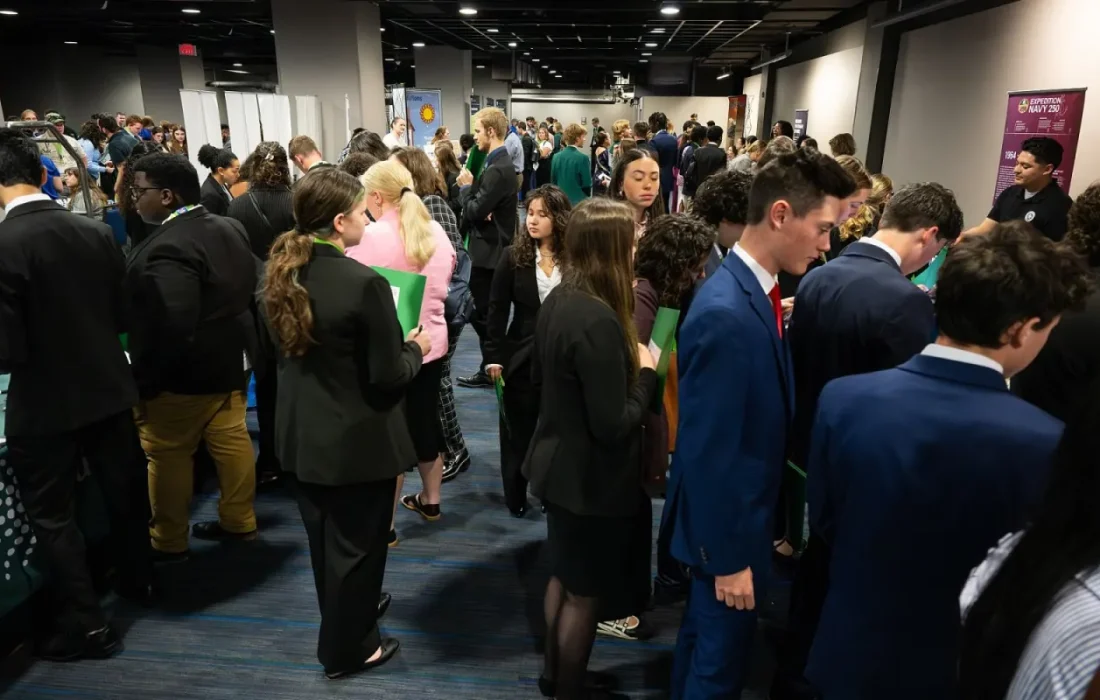

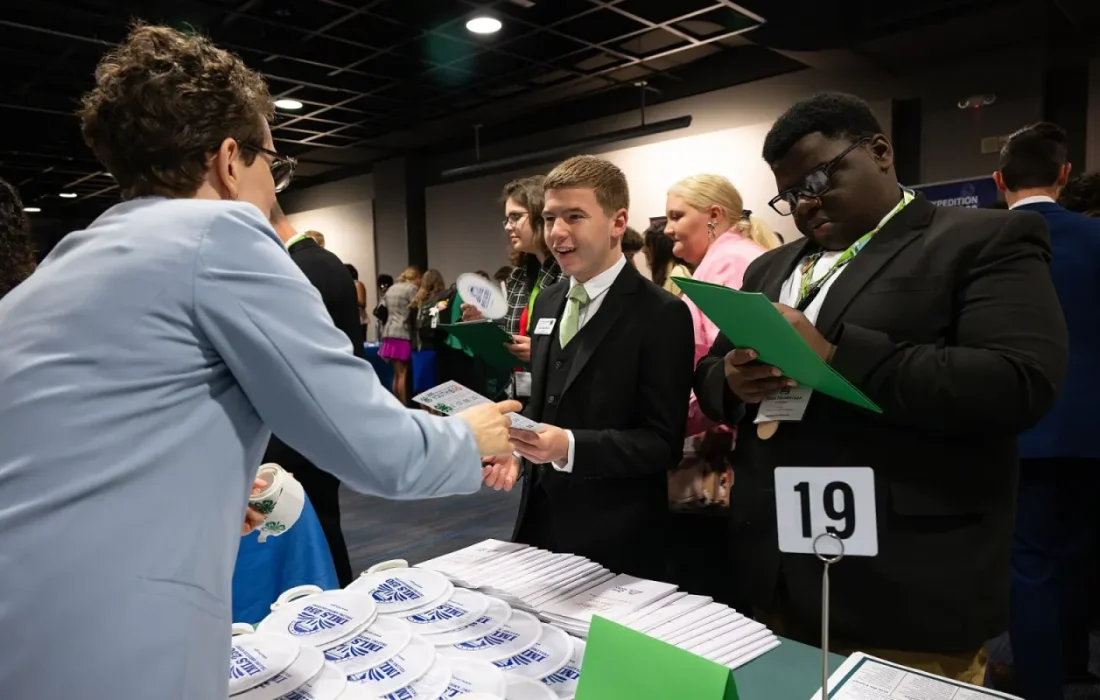
There are no strict dress rules, but a clean, comfortable look is preferred. Since expectations vary by industry, looking at organizations' photos from past fairs can give you an idea. Noting the representative's name and contact details at the booth is far more valuable than collecting brochures. At last year's fair, an engineering student says a short but well-prepared conversation at the first booth led to an internship interview the very same week. Comfortable shoes and a small notebook are among the most practical companions for a long day at the fair.
After the fair: Follow-up and contact
The work doesn't end when the fair does; the real difference shows in the follow-up over the next few days. Sending a short thank-you message to the representatives you met, reminding them what you talked about and attaching your résumé makes you memorable among hundreds of visitors. It is important for the message to be short, polite and personal. Adding a small detail from each conversation instead of sending the same text to everyone increases the impact. Sending the message the day after the fair, or within two days at the latest, keeps the connection fresh.
| Topic | Careers |
|---|---|
| Highlights | internship, résumé, interview |
| Reading time | 5 minutes |
| Written by | Jake Morales |
Key takeaways
- Review the exhibitor list in advance and pick five or six target organizations.
- Practice a natural thirty-second introduction ahead of time.
- Send a personal thank-you message within two days of the fair.
Putting the information you gathered at the fair into a simple spreadsheet also pays off for future applications. Recording details such as the organization's name, the person you spoke to, the position discussed and the application date lets you follow up in an organized way until internship season. Career centers also offer post-fair support such as résumé reviews and mock interviews. The healthiest approach is to see the fair not as a one-day event but as part of your career plan. Bringing this spreadsheet with you to the next fair helps you have a stronger conversation with the same representatives.
You may also like
- First semester on campus: Bayview Technical University students share their guide to dorms, clubs and classes
- November rush for scholarship applications: A step-by-step guide from paperwork to personal statement
- Midyear plan for the 2027 high school entrance exam: A weekly rhythm for eighth graders and their parents
What do you think about this post?

2 Comments
Really useful piece, thank you for putting it together.
I had never thought about this side of it. Looking forward to a follow-up.