
























































Pomodoro or spaced repetition? A closer look at evidence-based study techniques
Which popular study techniques actually work? In this video we explain the findings of cognitive psychology research in plain language.
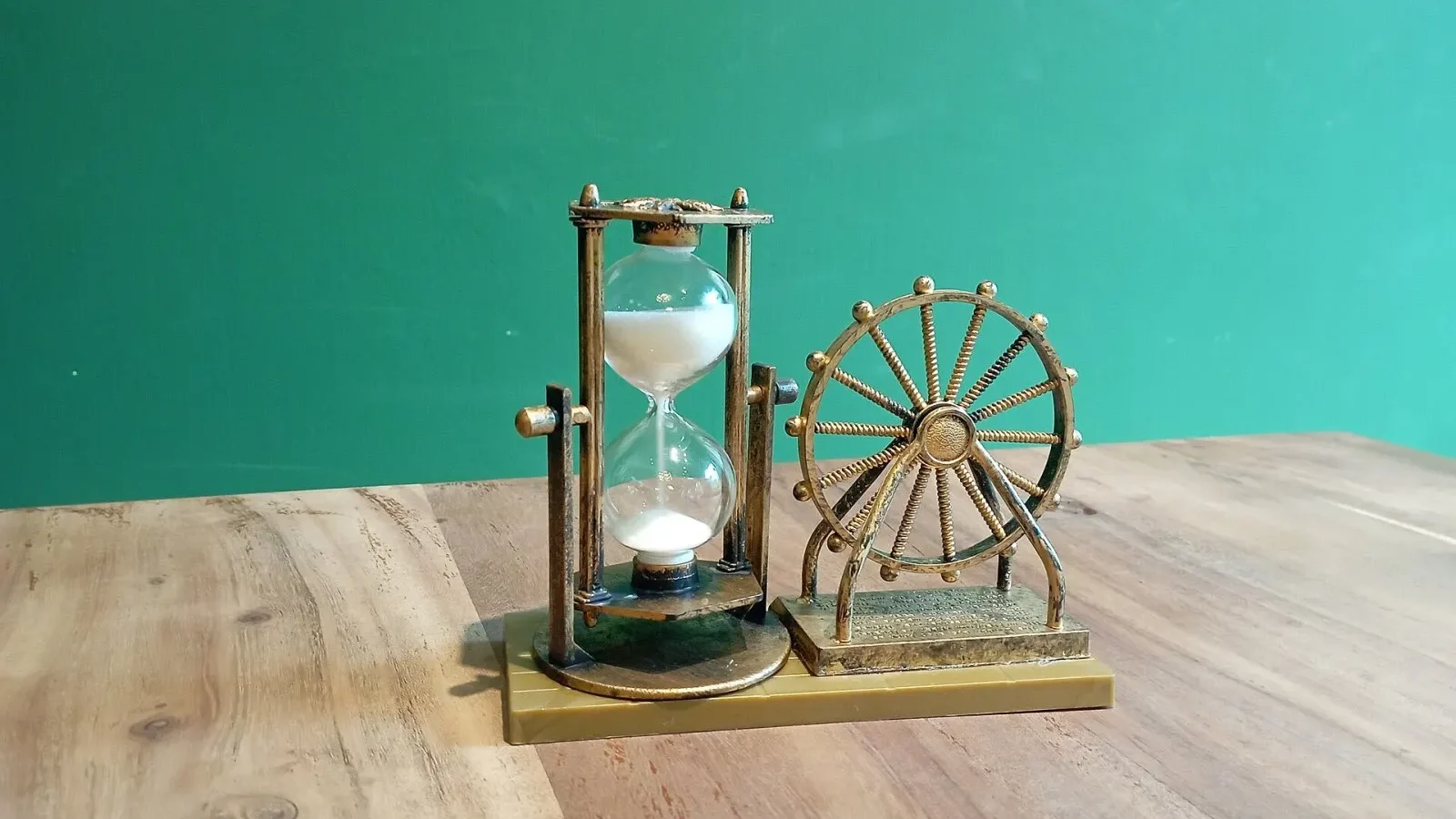
Table of contents
A new study technique trends on social media every week, but the question of which ones actually work often goes unanswered. Research in cognitive psychology shows that some methods are clearly more effective at making learning stick. In our video, we talk with an educational psychologist from the fictional Bayview Technical University about the Pomodoro technique, which splits time into blocks, spaced repetition, which relies on recalling information at set intervals, and self-testing. We go step by step through the strengths and weaknesses of each technique, the subjects and topics where each works best and how to fit them into a daily schedule.
Dividing time: Pomodoro and focus blocks
The Pomodoro technique typically splits study time into twenty-five-minute focus blocks and five-minute breaks. After four blocks, you take a longer break. The educational psychologist says this method can be especially effective for students who struggle to get started and are easily distracted. Committing to focus for a short period reduces the reluctance a big task creates and gives students the satisfaction of finishing what they started. A simple kitchen timer or hourglass is a good alternative that keeps the phone off the desk.
But Pomodoro is not equally suited to every subject and topic. When working on a long math problem or a complex passage, a twenty-five-minute limit can break the flow of thinking. In these cases, extending the block to forty-five or fifty minutes can be more productive. Experts point out that what matters more than the length is that breaks are genuinely restful: instead of checking your phone, getting up to walk or drink water is recommended.

Rereading creates familiarity; trying to recall creates learning.
Ethan Brooks
Spaced repetition and retrieval
Spaced repetition is based on recalling learned information at increasingly longer intervals. For example, a topic is reviewed on the day it is learned, then three days later, a week later and a month later. Cognitive psychology research consistently shows that this method makes information far more durable than spending the same amount of time in a single session. It is especially effective for things that need to be remembered, such as vocabulary, formulas and dates.
Retrieval practice, or self-testing, is spaced repetition's most powerful companion. Instead of rereading notes, closing the book and trying to recall a topic, writing and answering short questions or explaining the topic to a friend makes the brain actively process information. The educational psychologist says students find this method hard at first because rereading feels more comfortable, but the difference in learning is quite clear. Flashcards or questions written in the margins of a notebook are enough to create short quizzes.
Finding the mix that works for you
Rather than sticking to a single technique, experts recommend creating a personal mix of different methods. For example, a student might use long focus blocks when learning new topics and the Pomodoro method on review days. Answering a few questions about what was learned at the end of each study day builds in retrieval practice, while a weekly review calendar makes spaced repetition a natural part of the plan. This way, different techniques become complementary pieces and the plan gains a more flexible structure.
| Topic | Study Skills |
|---|---|
| Highlights | effective study, study plan, practice test |
| Reading time | 5 minutes |
| Written by | Ethan Brooks |
Key takeaways
- Pomodoro works well if you struggle to get started; extend the blocks for long problems.
- Spaced repetition and self-testing produce more lasting learning than rereading.
- Experiment for a few weeks and build a personal mix of techniques that suits you.
To find out whether a technique works, you need to try it for a few weeks and observe the results. Progress on practice tests, how long topics stay in memory and the fatigue you feel while studying are good measures for evaluation. The educational psychologist recommends that students consider their own attention spans and circumstances rather than copying other people's schedules exactly. In the end, the best technique is the one you can apply consistently. Getting support from the school counseling office or a specialist when needed can also make the process easier.
What do you think about this post?


Leave a comment