














An exchange semester in Europe: A practical one-semester guide from student housing to course registration
An experience-based guide to housing, course matching and budgeting for students heading to Europe on an exchange program this spring.

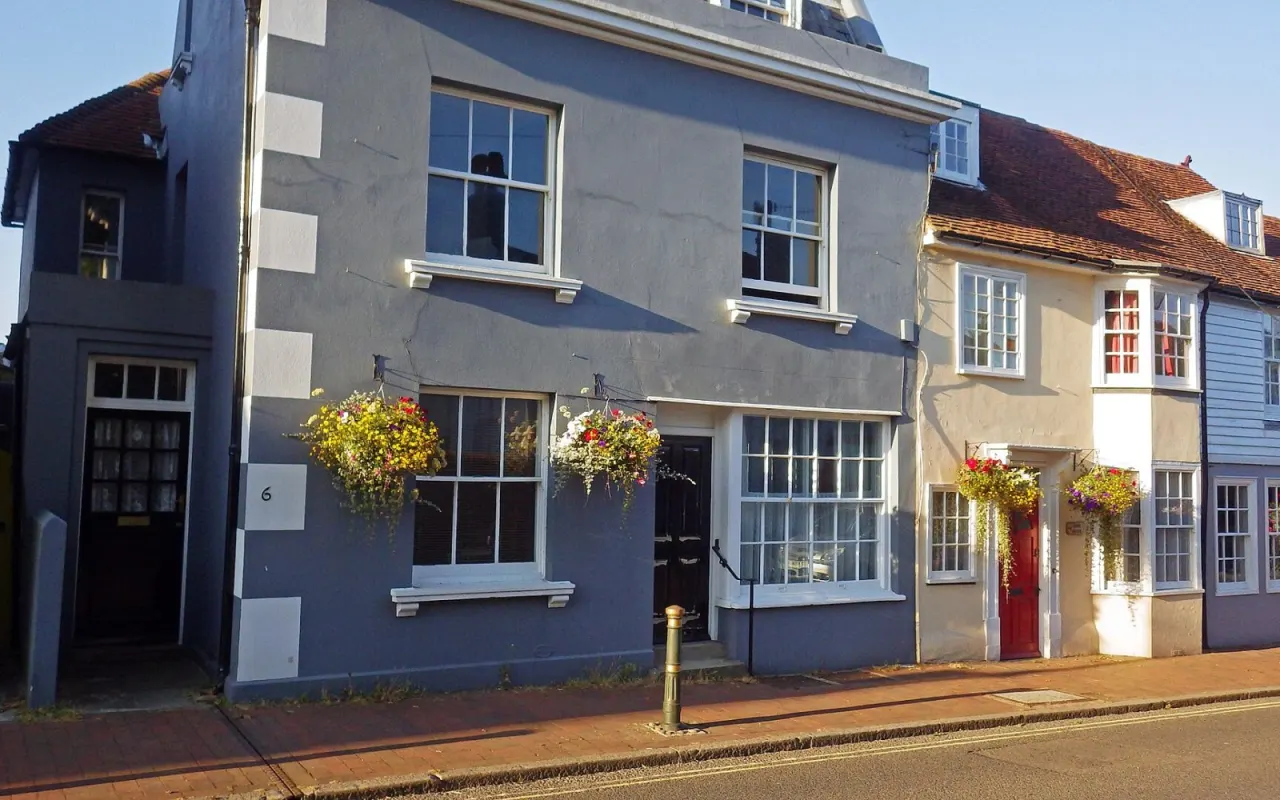

Table of contents
For students heading to universities in Europe on exchange programs in the spring semester, November and December are when preparations speed up. Course matching forms, acceptance letters, health insurance and visa applications all need to be handled at the same time. Students who went from the fictional Bayview Technical University to a university in Central Europe last year say their biggest challenge was finding affordable housing, while what they enjoyed most was the everyday life they built with friends from different countries. In this guide we bring together the students' experiences and the photos they picked from their travels. Before you go, be sure to meet with your own university's international office.
Before you go: Course matching and documents
One of the most important steps in preparing for an exchange semester is matching the courses you will take at the host university with your own program. A specialist from Bayview Technical University's international office recommends that students prepare the course matching form together with their department coordinator and identify backup courses in case of changes. Because the host university's course schedule can change at the start of the semester, a flexible plan prevents losing credits later. Keeping a copy of the approved form is also important.
It also pays to act early on paperwork. The documents needed for the acceptance letter, health insurance, learning agreement and visa application often move forward in an interdependent order. The specialist points out that visa appointments can be booked weeks out during busy periods and advises scheduling one as soon as the acceptance letter arrives. Checking your passport's validity and keeping digital copies of documents in a cloud folder are also among the frequently recommended practical precautions.
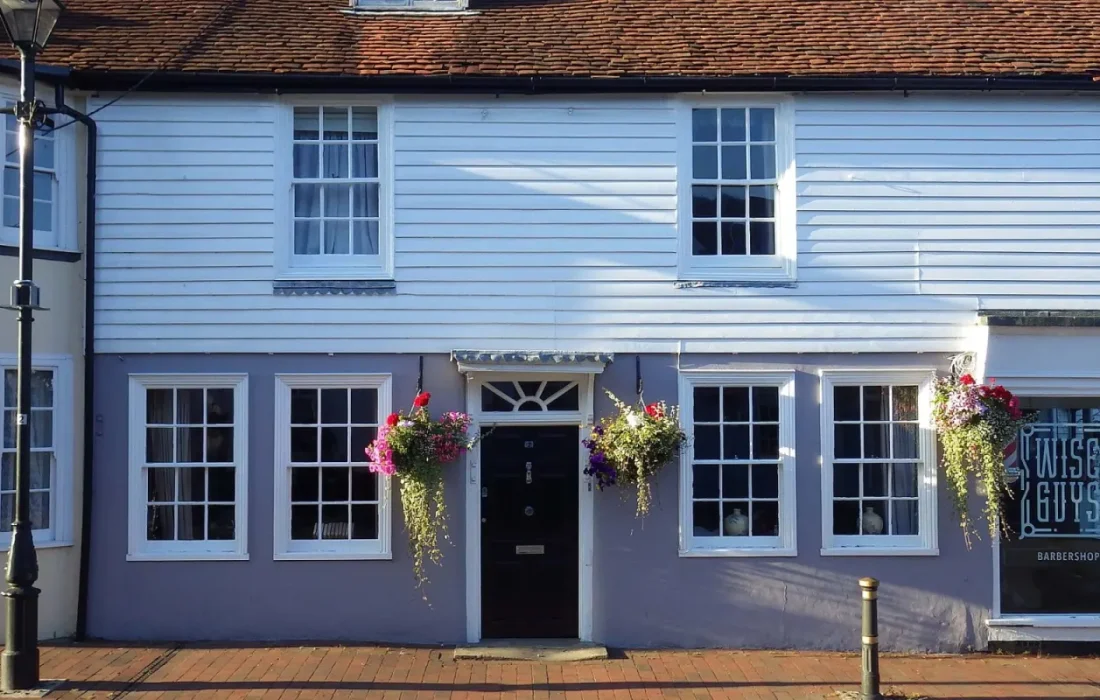
An exchange semester is a chance to teach yourself a new language, as much as to take new classes.
Mark Ellison
Housing and the first week
Students who went to Central Europe on an exchange program last year say their biggest challenge was finding affordable housing. Noting that some universities set aside dorm rooms for exchange students but that these spots fill up quickly, the students recommend applying as soon as the announcement goes out. Those looking for private housing need to watch out for scams and verify the listing and landlord before making any advance payment. The university's recommended housing lists are the safest starting point.
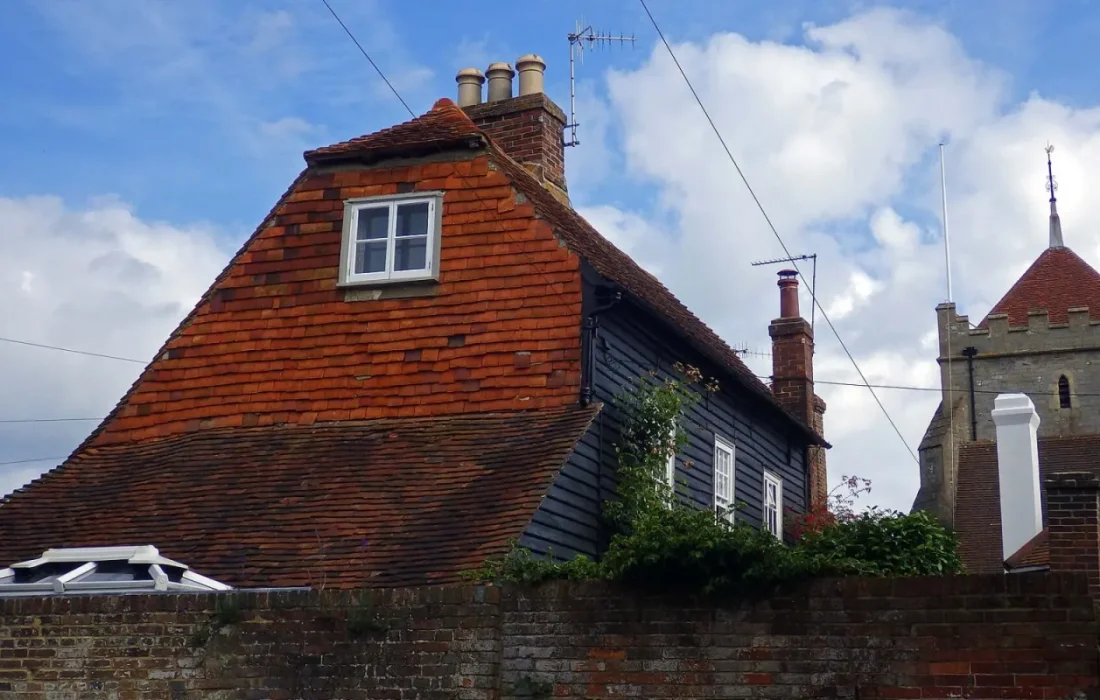
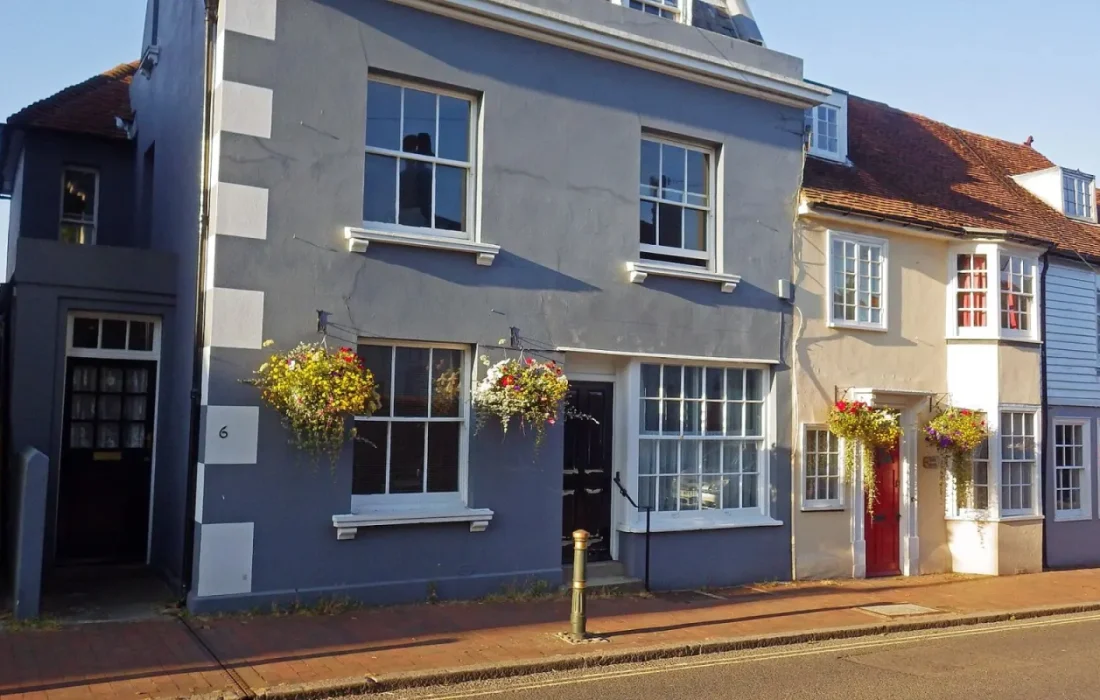
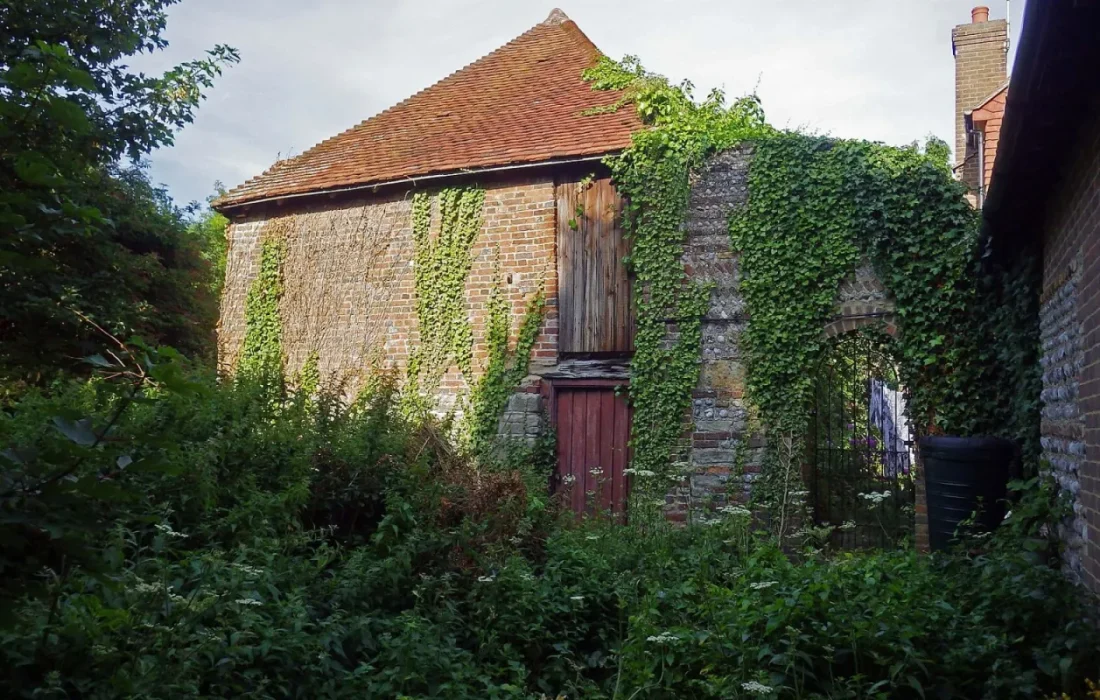
The first week after arrival is a busy but exciting time for setting up a new life. Students say tasks such as registration, opening a bank account, getting a transit pass and a phone line all need to fit into this week. Orientation programs run by universities both guide students through these tasks and offer a great opportunity to meet students from different countries. Students stress that not missing these events noticeably speeds up the adjustment process.
Budget, language and connecting with the city
Budget planning is one of the things students need to pay the most attention to during an exchange semester. The grant provided through the program often does not cover all expenses, so a monthly plan for rent, food, transportation and travel is needed. Students say researching student discounts, cooking at home and planning trips in advance eases the budget considerably. Setting aside a small safety margin for exchange rate changes also protects students in unexpected situations.
| Topic | Study Abroad |
|---|---|
| Highlights | campus life, language test, scholarship |
| Reading time | 7 minutes |
| Written by | Mark Ellison |
Key takeaways
- Prepare the course matching form with your coordinator and choose backup courses.
- Apply for dorm spots as soon as they are announced; verify private listings before paying anything upfront.
- Plan a monthly budget beyond the grant and set aside a margin for exchange rates.
Connecting with the language and the city is what truly enriches the exchange experience. Even in programs taught in English, learning a few basic phrases in the local language makes daily life easier and helps build warmer relationships with locals. Students recommend joining language exchange meetups, student group events and city tours. Sharing your experiences with students who are about to go after you return is also seen as a fitting continuation of the journey.
What do you think about this post?
Leave a comment