































































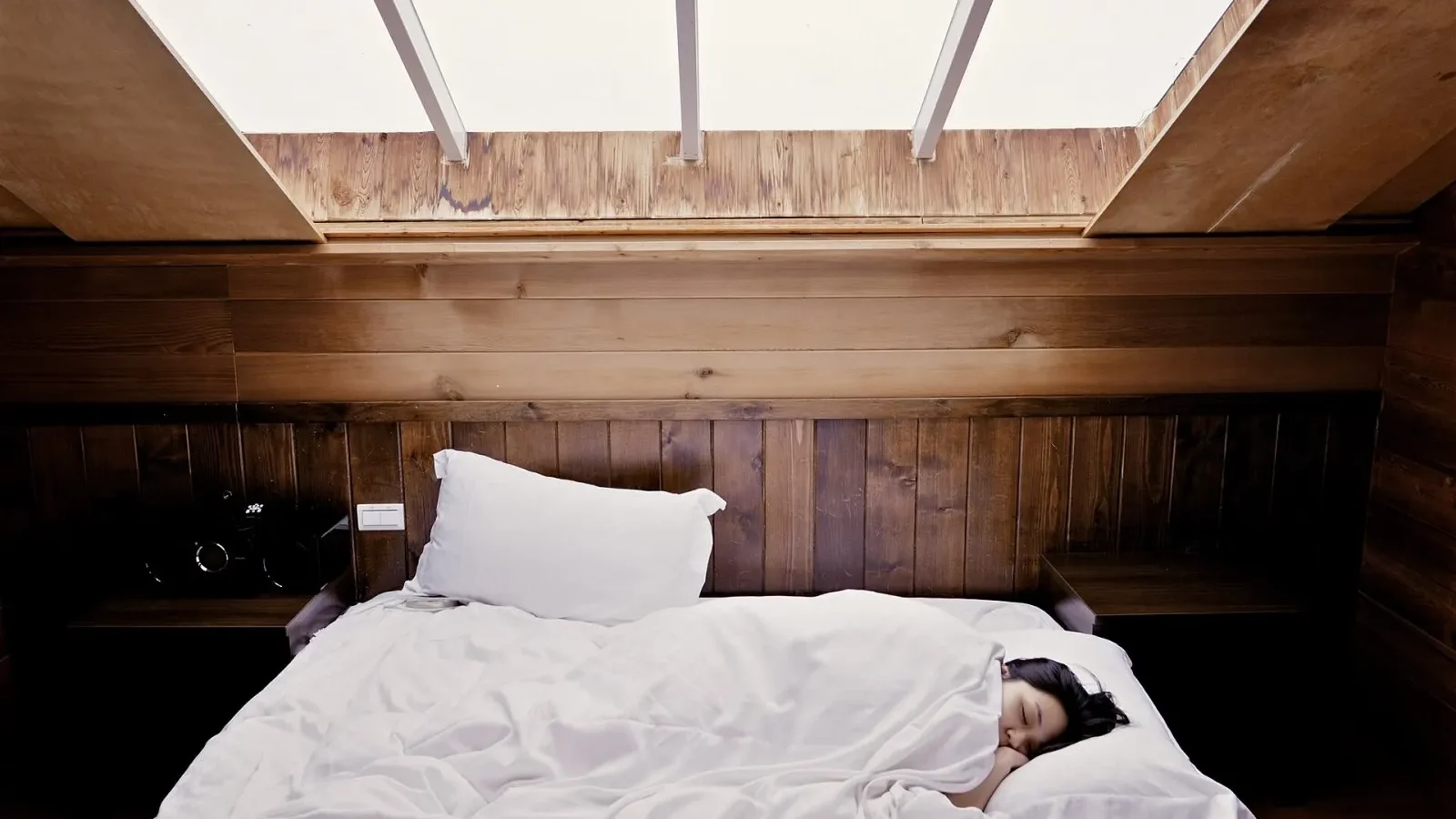
Nighttime teeth grinding (bruxism) and night guards
If you notice jaw pain and worn teeth in the morning, you may be grinding your teeth at night.
Table of contents
Nighttime clenching and grinding, known medically as bruxism, is a habit most people are not aware of. Because it happens during sleep, it is usually noticed either when a partner hears the grinding or through jaw pain in the morning. Long-term clenching can lead to tooth wear, fractures and problems with the jaw joint. In this article, we look at the symptoms and possible causes of bruxism, and the role a night guard plays.
Symptoms
Tired or aching jaw muscles in the morning, headaches at the temples, flattened and worn teeth, tooth sensitivity and frequently breaking fillings are possible signs of bruxism. Some people also notice clicking in the jaw joint or difficulty opening their mouth fully.
A partner hearing you grind your teeth at night is another important clue. At a dental exam, wear patterns on the teeth and the condition of the jaw muscles can give a good indication of bruxism.

A night guard is a shield that protects your teeth while you sleep.
Mark Ellison
Causes
The causes of bruxism are not fully understood, but stress and anxiety, irregular sleep, certain medications, caffeine and alcohol, and smoking are among the associated factors. It can also occur alongside sleep disorders such as sleep apnea.
That is why bruxism sometimes concerns other healthcare professionals, not just the dentist. If there are signs such as snoring or pauses in breathing during sleep, it is important to have these assessed separately.
Night guards and other advice
A night guard is a custom-made appliance that stops the teeth from grinding against each other and protects them from wear. Unlike off-the-shelf guards, a guard made by your dentist from impressions or a digital scan fits your mouth precisely and is adjusted so it does not disrupt your bite.
| Topic | Treatments |
|---|---|
| Highlights | teeth grinding, night guard |
| Reading time | 5 minutes |
| Written by | Mark Ellison |
Key takeaways
- Morning jaw pain and worn teeth can be signs of bruxism.
- Stress, irregular sleep and caffeine are among the associated factors.
- A custom night guard helps protect your teeth from wear.
Alongside a night guard, managing stress, keeping regular sleep hours, avoiding caffeine and alcohol in the evening and making a point of not clenching during the day can also help. The fit of the guard is checked at follow-up visits and adjusted if needed. This content is for information only; please see your dentist for diagnosis and treatment.

Leave a comment