
































































How to brush and floss properly: a step-by-step guide
Done with the right technique, everyday brushing is the most effective protection against tooth decay and gum disease.
Table of contents
Brushing your teeth is something most of us have done every day since childhood. Yet we often see in the chair that technique matters as much as frequency, and many people skip certain areas without realizing it or brush hard enough to damage their gums. Cleaning between the teeth is often neglected altogether. In this article, we walk you step by step through choosing the right brush and toothpaste, the recommended brushing technique and how to use floss and interdental brushes.
The right brush and toothpaste
Choose a soft or medium brush with a head small enough to reach the back of your mouth comfortably. Hard bristles and pressing too hard can lead to gum recession and enamel wear. Electric toothbrushes are also an effective option when used correctly.
Fluoride toothpaste plays an important role in protecting against cavities. A pea-sized amount is enough for adults; for children, the amount depends on age. Spitting out the excess after brushing, rather than rinsing with lots of water, helps the fluoride keep working.
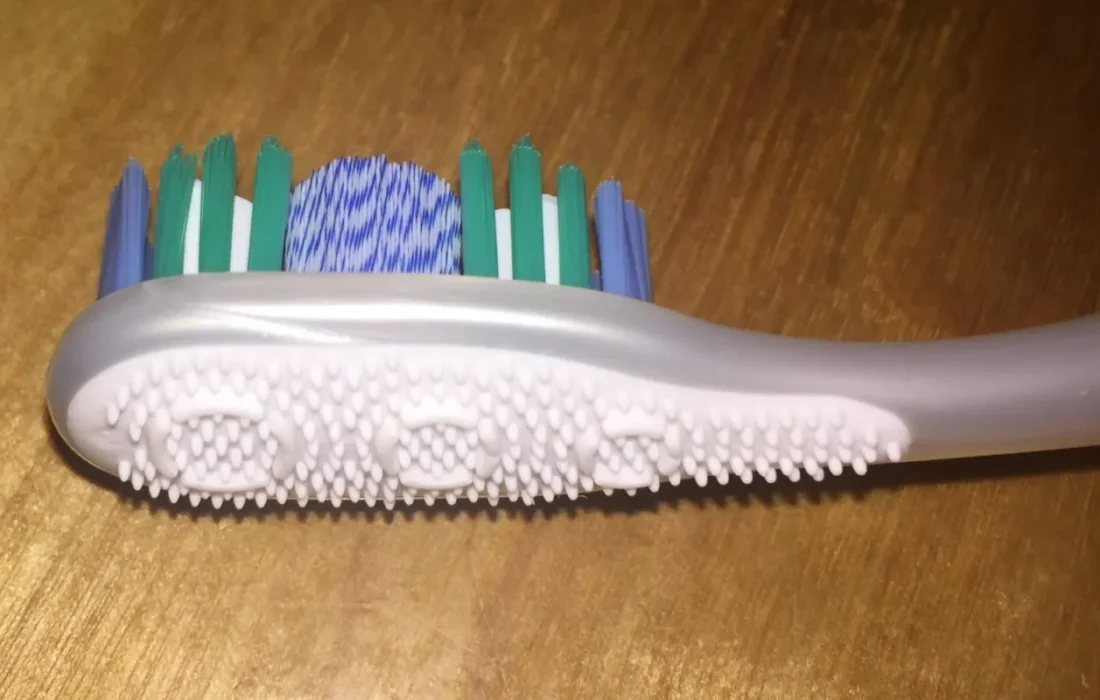
The point of brushing is not to scrub your teeth, but to gently remove bacterial plaque.
Mark Ellison
Brushing technique
Place the brush at about a 45-degree angle where the teeth meet the gums. Use short, gentle circular or vibrating motions, pausing a few seconds on each area. Brush the outer, inner and chewing surfaces in turn; for the inner surfaces of the front teeth, you can hold the brush upright.
Brushing for at least two minutes is recommended; dividing your mouth into four sections and spending about thirty seconds on each makes it easier. Gently brushing your tongue or using a tongue scraper can also help reduce bad breath. Replace your toothbrush when the bristles fray, or about every three months.
Floss and interdental brushes
A toothbrush cannot fully reach the narrow spaces between teeth. Bacterial plaque that builds up there is a common cause of both cavities and gum disease. That is why using floss or an interdental brush at least once a day is recommended.
| Topic | Oral Care |
|---|---|
| Highlights | tooth brushing, dental floss, oral care |
| Reading time | 5 minutes |
| Written by | Mark Ellison |
Key takeaways
- Choose a soft brush and fluoride toothpaste; avoid brushing too hard.
- Hold the brush at a 45-degree angle to the gum line and brush for at least two minutes.
- Use floss or an interdental brush at least once a day.
Gently slide the floss between two teeth, curve it into a “C” shape around each tooth and move it up and down; avoid pressing hard against the gums. If you have wider gaps between your teeth, a bridge or an implant, interdental brushes in the right size may be more practical. Ask your dentist which tool suits you best. This content is for information only; please see your dentist for diagnosis and treatment.

2 Comments
Really useful piece, thank you for putting it together.
I had never thought about this side of it. Looking forward to a follow-up.