






































Studio tour: A day inside Digital Pulse’s new recording room
We toured the new studio where we record our podcasts and videos. From soundproofing to lighting setup, here's a look behind the scenes of a shoot day.
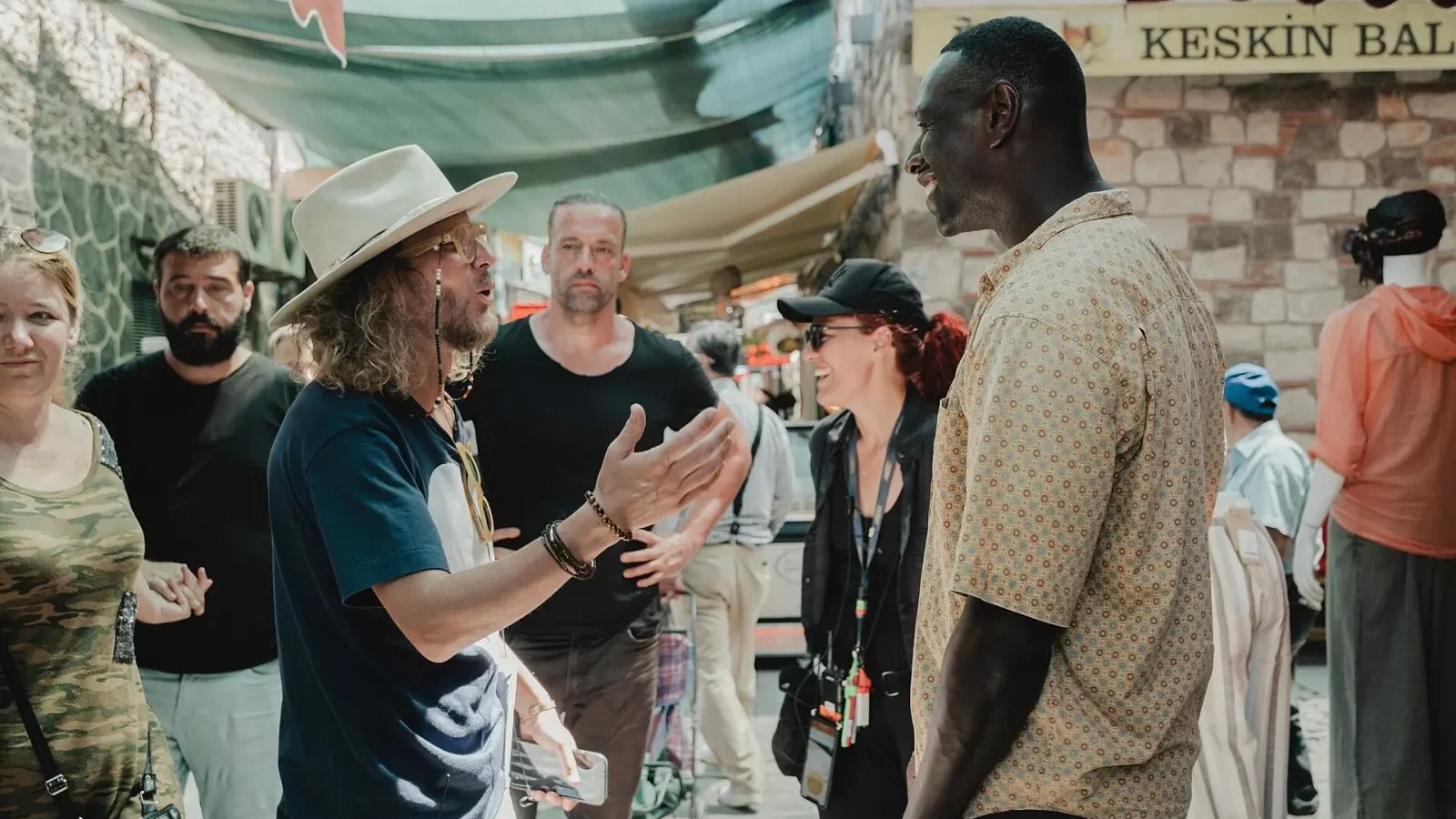
Table of contents
For months, we'd been recording in a makeshift corner squeezed between our desks. Now we have a recording room of our own. In this video, we tour the new studio from top to bottom with our team, showing every detail from soundproofing to camera placement. In the article, you'll find the notes we couldn't fit into the video and the small mistakes we made. During the tour, a few team members also show off their own corners, so you can see how the room is really lived in.
Through the door: The room's layout
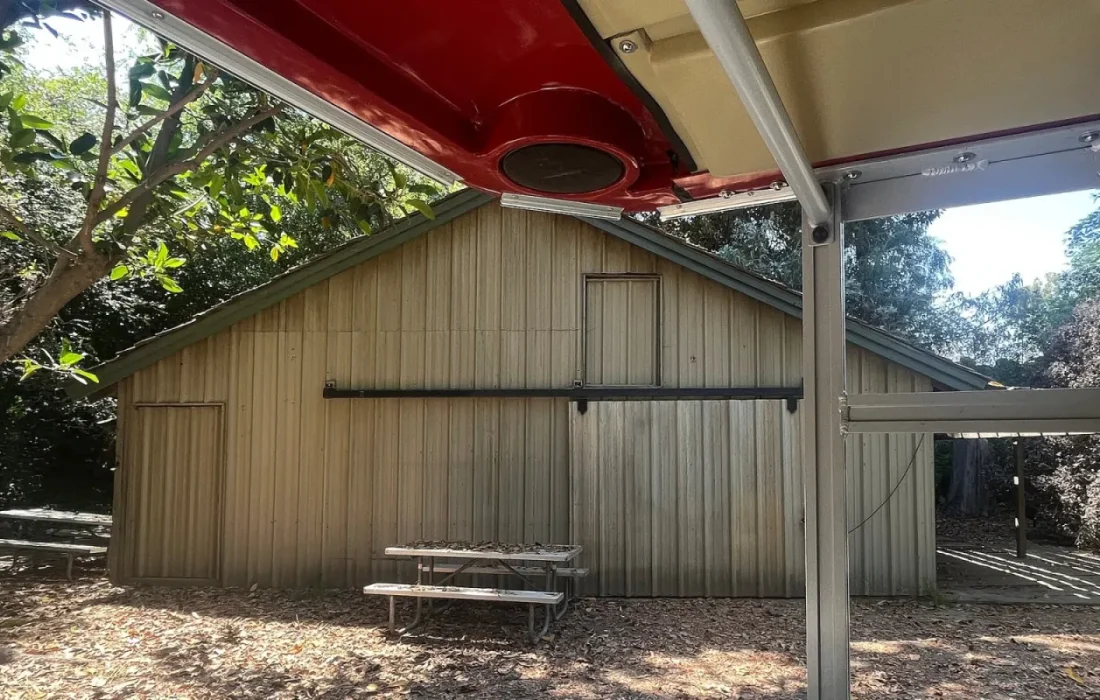
The new recording room was created by converting an old meeting room in the building. The entrance has a sealed double door; this is the most critical piece for cutting sound leakage from the very first step. Inside, there's a semicircular table for two guests and a host. In the video, we show the room's floor plan and camera placement step by step. While planning, we had to think about recording and working comfort at the same time, and we redrew the plan several times.
What we debated most while planning the room was the distance between the table and the wall. Too close, and the echo increases; too far, and the team struggles to see each other. In the end, we placed the table a meter away from the wall. That gives the microphones room and creates depth in the camera shots. Because the room has a low ceiling, we also had to add a suspended cable tray.
The most important thing about a good studio is that it makes guests feel at home.
Emily Carter
Sound and lighting setup
For soundproofing, we put dense acoustic panels on the walls and a suspended absorbent layer on the ceiling. Thick foam in the corners keeps bass frequencies from building up. We did all this on a budget, hanging some of the panels ourselves. In the video, you can hear the echo of a hand clap before and after; the difference is truly striking. We wanted to show that even a small budget can deliver a serious improvement in soundproofing.
For lighting, we use two soft panels and a color accent in the back. The goal is to keep harsh shadows off guests' faces and liven up the background slightly. The cameras sit on three separate tripods: one for the wide shot, two for close-ups. To avoid a tangle of cables, we added a channel under the table; not a single cable is visible on set. Thanks to this setup, recordings now need far less work in the edit, which saves time.
How a recording day runs
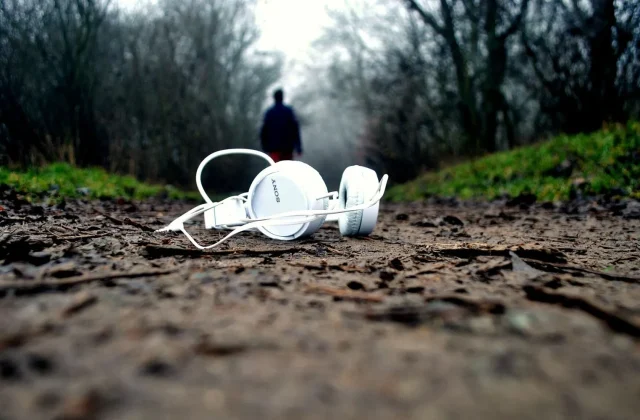
A recording day starts at nine in the morning with an equipment check. Microphone levels, headphone balance and light temperature are adjusted in turn. Guests arrive ten minutes early and get to know the room over a cup of tea. We do a test recording for the first five minutes; once the guest is used to the microphone, the real recording begins. You can watch this flow sped up in the video. This routine helps guests feel at ease and cuts down on technical problems during recording.
| Topic | Streaming |
|---|---|
| Highlights | studio, video production, behind the scenes |
| Reading time | 6 minutes |
| Written by | Emily Carter |
Key takeaways
- A sealed double door is the most critical piece for cutting sound leakage.
- Placing the table a meter from the wall reduces echo and adds depth to the shot.
- Silencing phones before every recording can save an episode.
After recording, the files are edited the same day and the sound engineer does a quick noise cleanup. One mistake we made in the early months was not turning off phone notifications during recording; in one episode, a guest's phone went off at the most critical moment. Now we politely remind every guest to silence their phone before recording. With the new studio, the margin for error has really shrunk, and everyone on the team works more comfortably.
What do you think about this post?
Leave a comment