
























































How accurately do smartwatches measure sleep quality?
We compared three smartwatches against measurements from a sleep lab. The results show the devices are surprisingly good in some areas.
Table of contents
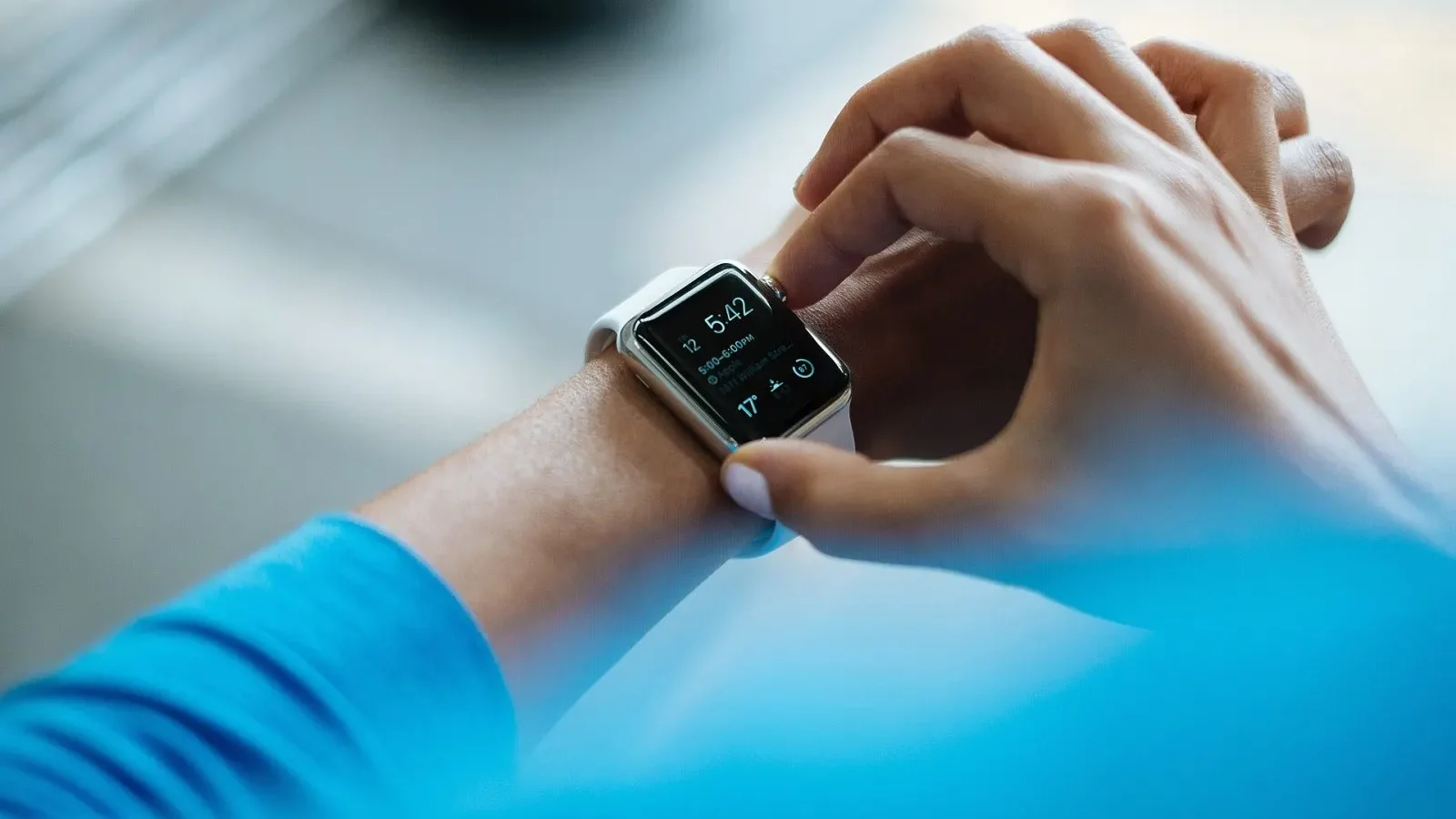
The sleep scores smartwatches show us each morning have become the first thing many users check to start the day. But how reliable are these measurements? Working with the sleep lab of a university hospital, we tested three popular smartwatches alongside a polysomnography device at the same time. The watches did well on total sleep time, but there were clear differences in how they distinguished between sleep stages.
The lab versus the device on your wrist
We ran the comparison in the sleep lab of a university hospital. Volunteer participants were hooked up to lab equipment overnight while wearing three different smartwatches on their wrists. The lab system measured brain waves, eye movements and heart rhythm, while the smartwatches made estimates from motion and pulse sensors.
That difference explains the basic limit of the measurement: smartwatches don't measure sleep directly; they estimate it indirectly. Still, the data is interesting. Combining signals like changes in heart rate, body movement and ambient sound can produce fairly consistent results. While not as precise as a lab, the method can give you an idea for everyday tracking.
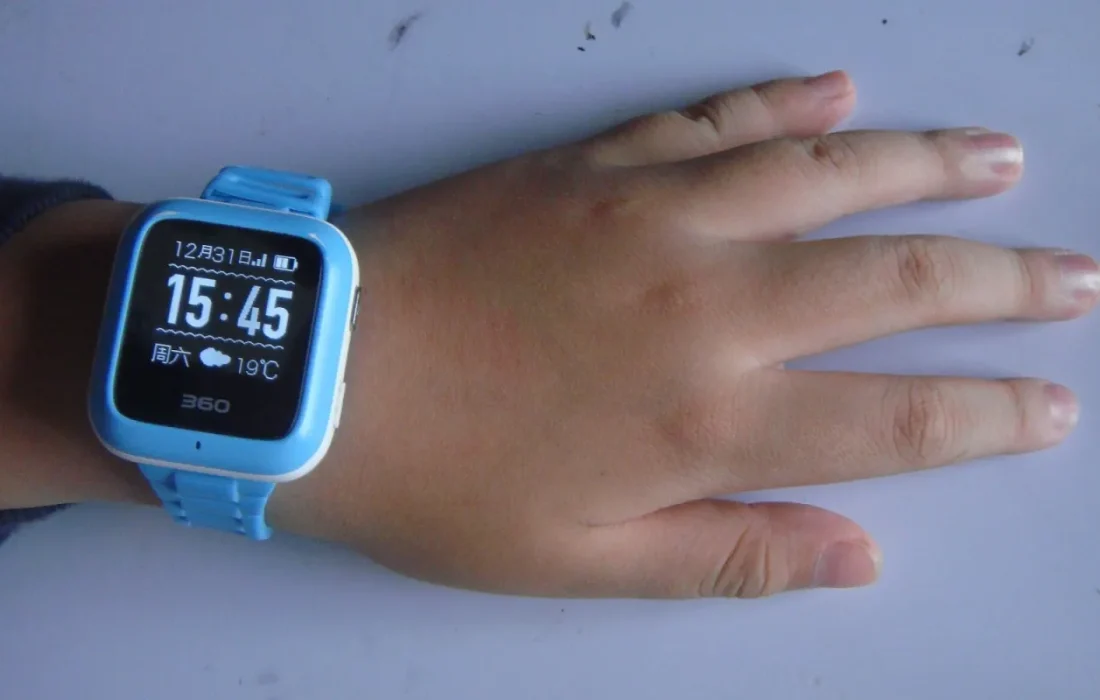
Your watch knows how long you slept; how well you slept, it's only guessing.
Sarah Bennett
Differences in measuring deep sleep
Differences in measuring deep sleep were the most striking part of the results. All three watches came within about half an hour of the lab on total sleep time, but on deep sleep the gap could reach an hour. One watch consistently overstated deep sleep; another confused light sleep with deep sleep. Even the most consistent one had a margin of error.
Detecting moments of wakefulness is also a tough area. Participants who woke during the night and lay still often appeared to be asleep on the watches. That can slightly inflate total sleep time. Device makers keep improving their algorithms, but the physical limits of wrist sensors can't be overcome. Reading the data as a trend is healthier than fixating on a single night.
Reading the data correctly
The way to read the data correctly is to look at weekly averages rather than individual nights. If your watch's “sleep score” is low one day, there's no need to panic; the real information is whether your bedtime is consistent, your average duration and how it changes. When your habits change, for example cutting back on caffeine or screen time in the evening, you can see how your scores are affected.
| Topic | Gadgets |
|---|---|
| Highlights | smartwatch, app, review |
| Reading time | 7 minutes |
| Written by | Sarah Bennett |
Key takeaways
- Three smartwatches were compared against sleep lab measurements on the same night.
- Total sleep time was consistent, but differences in deep sleep stages were clear.
- Read the data as a weekly trend rather than a single night; it's no substitute for a diagnosis.
Of course, these devices aren't medical tools. If you have a persistent problem with your sleep, you should see a health professional; the watch's data is not a diagnosis. But for curiosity and awareness, the data can be fun and useful. Your watch tells you how long you slept; how well you slept, your body knows best.
What do you think about this post?

Leave a comment