










A digital toolkit for designers: we compared note-taking, planning and archiving apps
For a month we used different note-taking, project planning and file archiving apps on real projects. Here's which one suits whom.
Table of contents
A designer's day is spent juggling client notes, reference images, deadlines and dozens of files. There are countless apps for managing that clutter, but finding the ones that really work takes time. For a month our team compared different note-taking, project planning and file archiving tools by using them on real projects. In this post we share our recommendations for different needs, from solo freelance designers to small studios.
Simple options for taking notes
Simple options for taking notes were the most tested category in this comparison. For designers, a good note app should open quickly, support adding images and be reliable in search. For a month we tried three approaches: plain-text focused, visual boards and document-based. In the end, what worked best was the simplest option, one that didn't make users wrestle with complicated menus.
Our recommendation for freelancers is to stick to a single app. When client notes, reference images and meeting summaries are scattered across different places, information gets lost. For teams, features like shared access, version history and export matter more. Observing your own workflow for two weeks before deciding, and seeing which information you search for most, makes it easier to choose the right app.
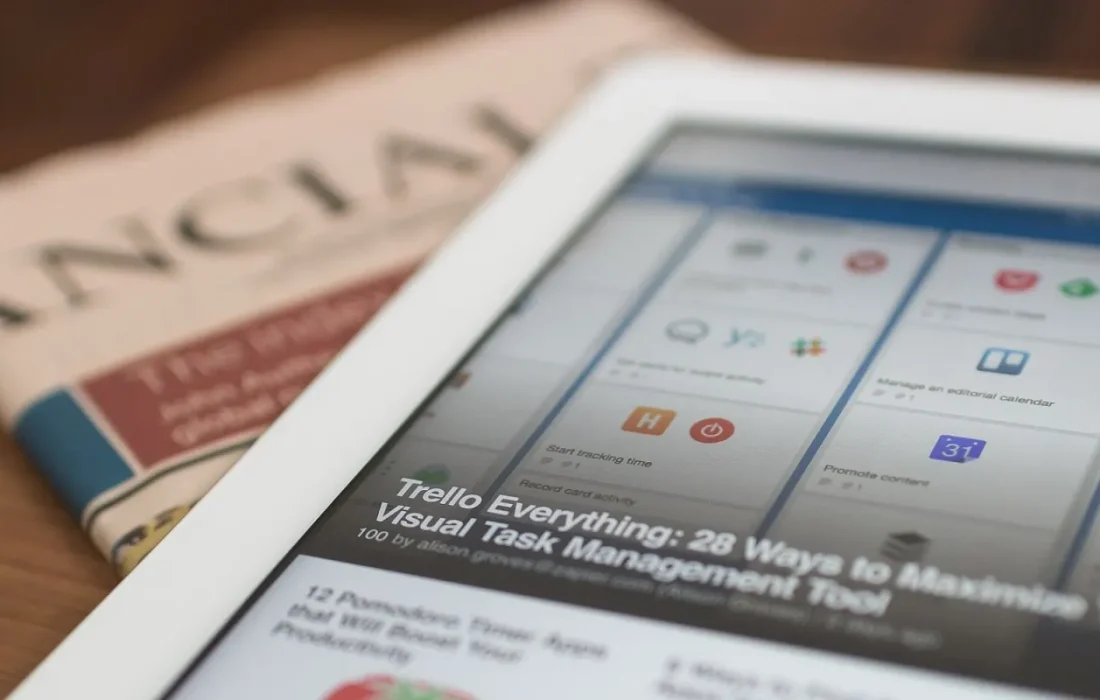
The best tool is one simple enough that you forget it's there.
Jake Morales
Project boards and calendars
Project boards and calendars call for a separate tool to manage deadlines. Card-based boards are intuitive for those who want to see projects in to-do, in-progress and done stages. A calendar view, meanwhile, shows how close deadlines are to one another. We used both approaches on real client projects and found that a simple board is often enough for small teams.
The most common mistake with planning tools is going into too much detail. Logging every mini task becomes a maintenance burden over time, and nobody updates the board. Our advice is to define no more than five or six major stages per project and keep the details in your note app. We've tried to share the notes we took during testing, along with the problems we ran into.
Archiving and backup
Archiving and backup are what most designers think about last, yet regret most. A combination of a cloud storage service, an external drive and a full backup taken at regular intervals covers the needs of most freelance designers. What matters is that backups run automatically; manual backups usually get forgotten in the first busy week.
| Topic | Digital Tools |
|---|---|
| Highlights | tool review, productivity, freelancing |
| Reading time | 10 minutes |
| Written by | Jake Morales |
Key takeaways
- Speed, search and image support stand out in a note app.
- Five or six major stages are more sustainable than excessive detail in planning.
- Automatic backups and a two-drive archive prevent data loss.
For projects with large files, storage cost is a factor too. Compressing finished projects and moving them to a separate archive drive keeps your workspace light. Of the approaches we tested, the best results came from a setup using the cloud for active projects and two separate drives for finished ones. At the end of the post you'll find a short decision table to help you choose based on your needs.
What do you think about this post?


Leave a comment