
















































Creating an airy work corner in a small apartment
A separate room isn't always possible for people who work from home. With tips from interior designers, we've gathered ways to create a productive, inspiring work corner even in a small apartment.
As remote work has spread, our homes have also become our offices. But not everyone is lucky enough to have a separate study. Fortunately, with the right planning, even one corner of a small apartment can become a productive workspace. Interior designer Colin Sayer says the most important elements are natural light, ergonomic furniture and smart storage. He also stresses that drawing a visual line between work and private life is crucial for mental health.
Choosing the right corner
The best spot for a work corner is often an unused wall in the living room, the window in the bedroom or a wide section of the hallway. Keep three criteria in mind when choosing: natural light, closeness to an outlet and distance from the flow of daily life. Setting up beside a window with the screen side-on to it reduces eye strain and makes it easier to use daylight.
If you have to work in the bedroom, choose a direction that keeps the bed out of sight. This creates a mental boundary between work and rest. A folding screen, an open bookcase or a light curtain are cheap, effective ways to create a visual divide without physically splitting the room. What matters is that your mind can switch into work mode when you sit in that corner.
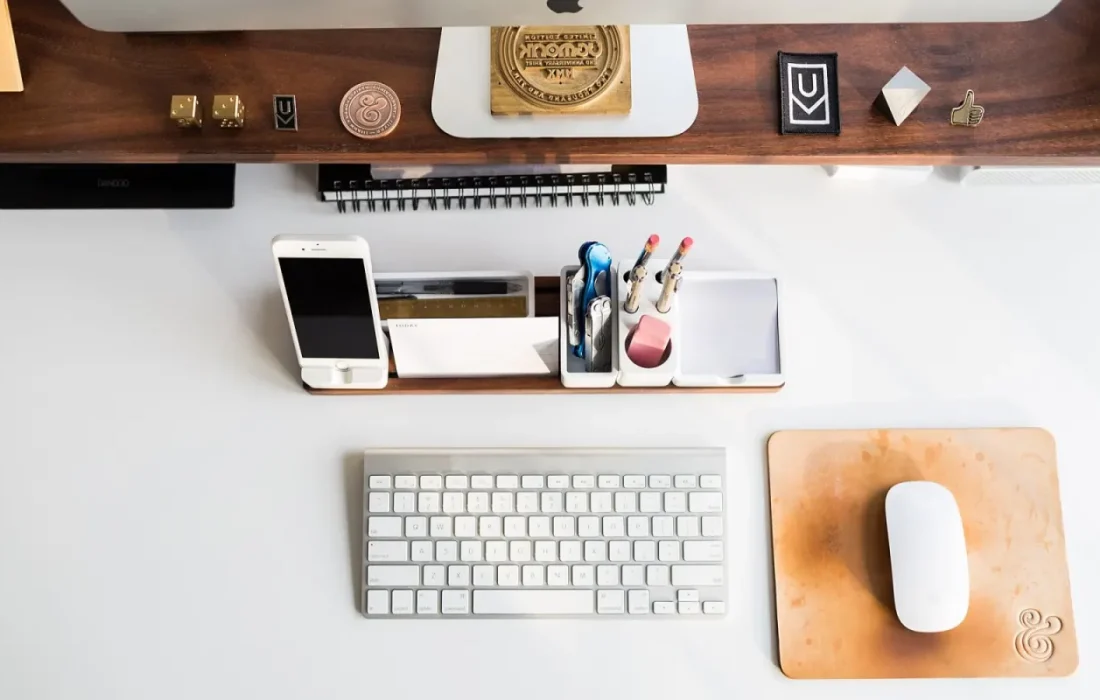
A small space isn't limiting; it just asks you to think smarter.
Sophie Laurent
Light and color
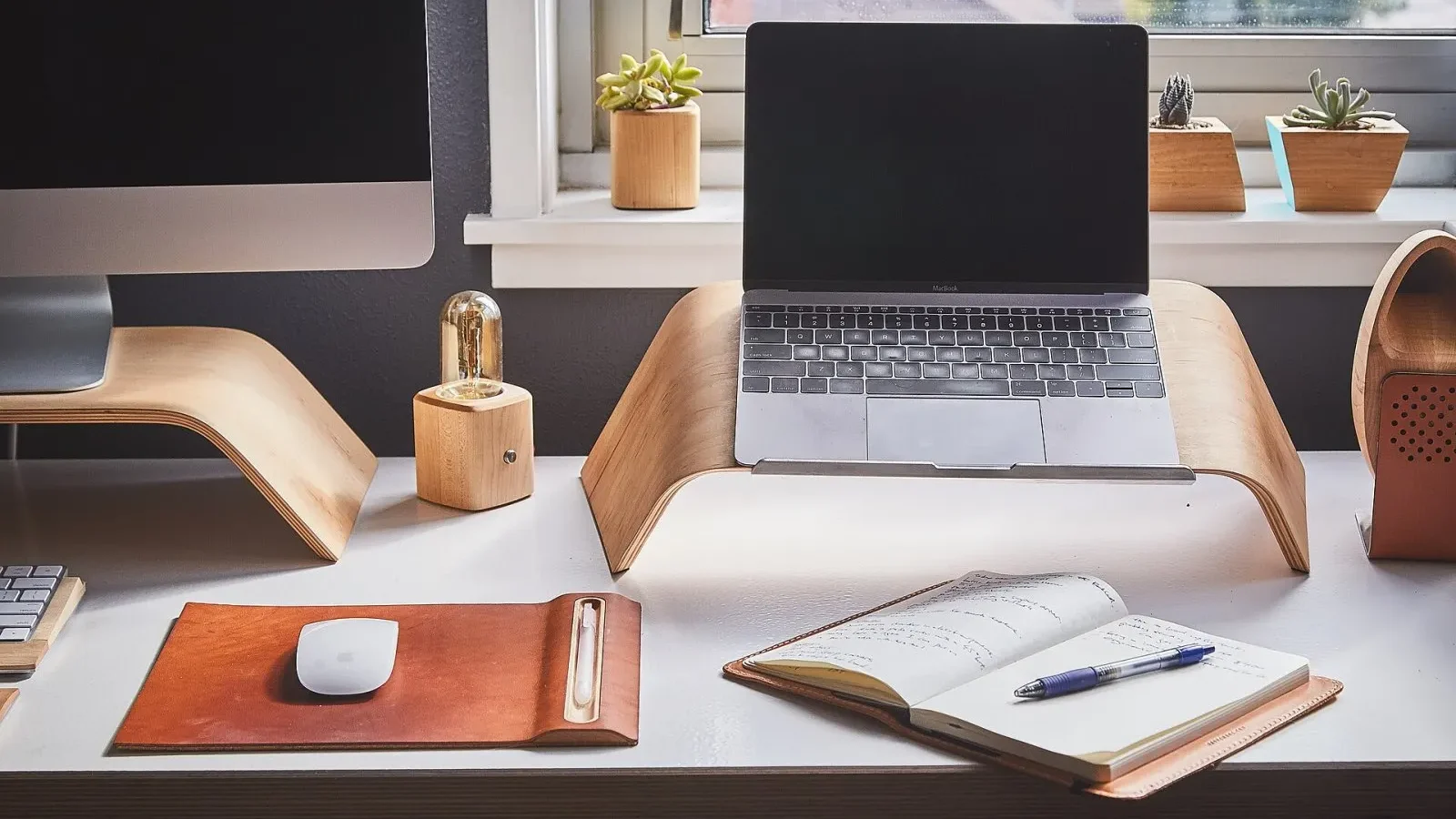
Light is the single most important element in making a small corner feel bigger than it is. Swap heavy curtains that block daylight for sheer or linen fabrics. For the evenings, add a warm-toned, adjustable desk lamp. A directional lamp that works alongside the ceiling light prevents screen glare and helps you work for long hours without straining your eyes.
When it comes to color, light and neutral tones bring a sense of space to small areas. Painting the wall a slightly different shade from the walls next to it, or adding a single accent color behind the work corner, defines the space without closing it in. A plant or a single piece on the wall adds character to the corner. Too much decoration, however, quickly makes a small space feel tiring.
Storage solutions
In a small work corner, storage is the most important part of staying organized. Shelves that use the height of the wall, rolling drawers under the desk and lidded baskets hide things away without taking up space. Keep only the tools you use daily on the desk; give everything else a home. Visible clutter feels much heavier in small spaces.
| Topic | Architecture |
|---|---|
| Highlights | interior design, minimalism, productivity |
| Reading time | 7 minutes |
| Written by | Sophie Laurent |
Key takeaways
- Daylight, outlets and distance from household traffic decide the right corner.
- Sheer curtains, an adjustable lamp and neutral colors make a small space feel bigger.
- Wall shelves and a folding desk save space while keeping things tidy.
Another smart solution is a folding or wall-mounted desk. Closing up the desk when work is done turns the corner back into part of the living room. Use cable channels or adhesive clips for cords, because tangled cables tire the eye. Taking a few minutes at the end of the day to tidy the desk makes for a calmer start the next morning.
What do you think about this post?


Leave a comment