
























































New season of polar research: Science team heads for Antarctica
A team of researchers from several universities has set off for Antarctica for climate and marine biology projects.
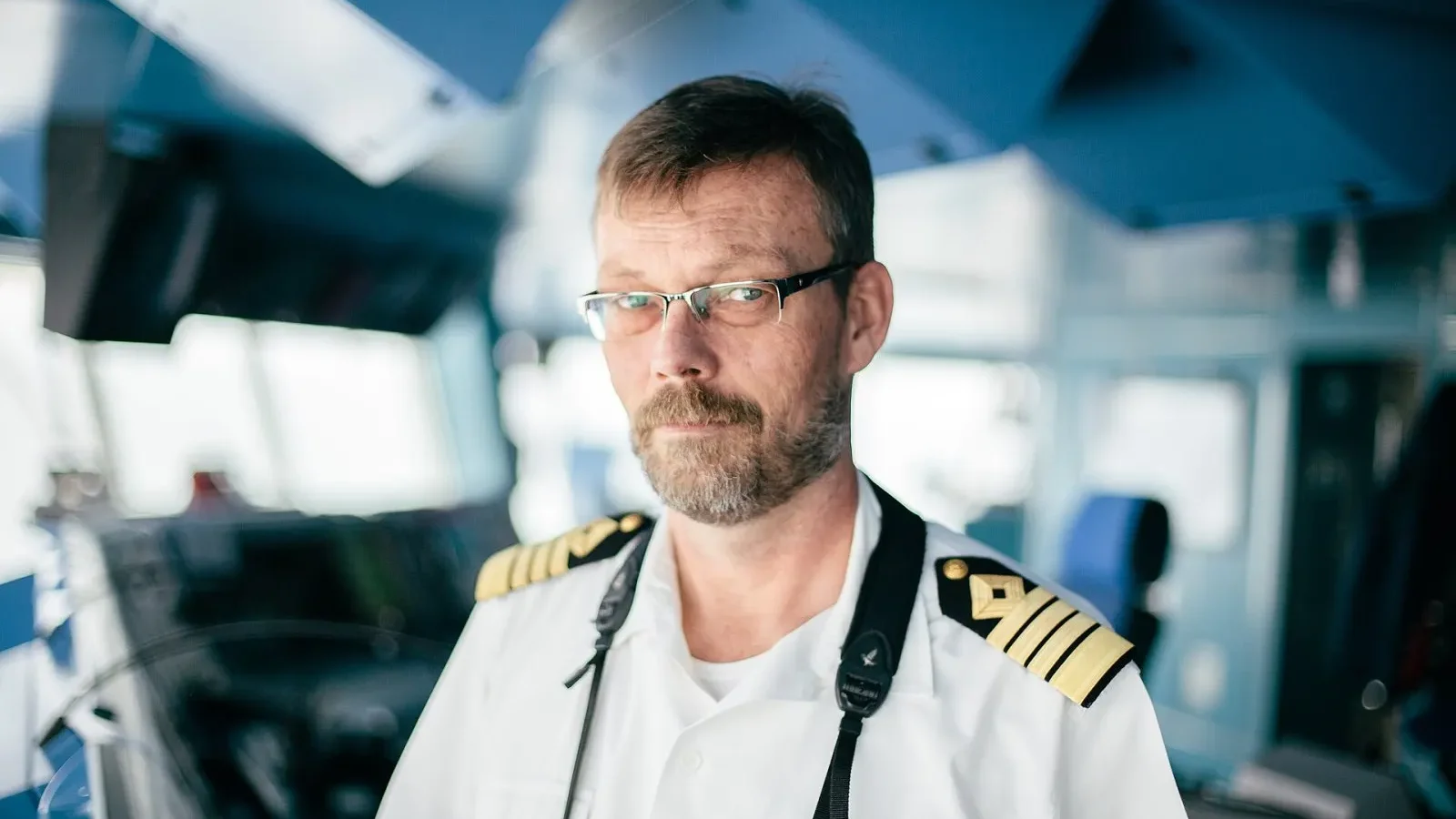
A science team including researchers from several universities has set off for Antarctica for the new polar season. Over two months, the team will carry out numerous projects including monitoring glacier melt, marine biology sampling and atmospheric measurements. Expedition leader Prof. Henry Collins said the data collected will contribute to global climate models and be used in international joint studies. The team also includes young researchers who will experience the poles for the first time. The researchers plan to share their work in regular reports throughout the season.
In this article
- The season's science projects
- Inside a challenging journey
- Young researchers' excitement
The season's science projects
The season's science program will run along three main lines. The first project aims to feed sea-level models by comparing the melt rate of coastal glaciers using satellite data and field measurements. The second project studies the diversity of microscopic organisms living in cold waters. The third will combine measurements of gases and particles in the atmosphere with a year-round series.
The team will test some of the observation equipment it sets up at the station for the first time this season. Next-generation snow depth sensors, an autonomous underwater vehicle and low-power weather stations will be tested during the work. Expedition leader Prof. Henry Collins said the data collected will be uploaded to an open-access database and shared with researchers from other countries.
The story the glaciers tell is really the story of all our futures.
Ethan Brooks
Inside a challenging journey
The journey to Antarctica is a demanding, multi-stage logistics operation. The team will first fly to one of the southernmost settlements in the Southern Hemisphere, then set off for the continent aboard an icebreaking research vessel. Depending on sea conditions, the voyage could take up to ten days. During the journey, the team will take part in training to adapt to polar conditions.
Working at the poles is a challenging experience not only scientifically but physically. Low temperatures, strong winds and long cycles of day and night test team members' physical and mental health. Before the expedition, the team received training in first aid, moving on ice and emergency evacuation. Satellite links and backup radio systems have been set up for communications with headquarters.
Young researchers' excitement
The team also includes young researchers who will experience the poles for the first time. Doctoral student Chloe Barnes said she is carrying both the excitement and the responsibility of a journey she has dreamed of since childhood. The young researchers say working alongside experienced team members is a unique opportunity for their professional development. The experience will give them valuable grounding for leading their own projects in the future.
| Topic | Science & Tech |
|---|---|
| Highlights | artificial intelligence, climate, university |
| Reading time | 5 minutes |
| Written by | Ethan Brooks |
Key takeaways
- Over two months, the team will run glacier, marine biology and atmospheric projects.
- The data collected will be shared for use in international climate models.
- The team includes young researchers experiencing the poles for the first time.
Throughout the expedition, the team plans to share its work with the public in regular reports. Live links with schools and photo updates aim to spark students' interest in polar science. Officials said the research program will be expanded sustainably through international partnerships, and that more scientists could join in the years ahead. The first summaries of data collected during the expedition are expected toward the end of the year.

Leave a comment