
































Joint transport corridor memorandum signed with Central Asian countries
A memorandum of understanding aimed at cutting transit times for rail and road freight was signed at a ministerial meeting.
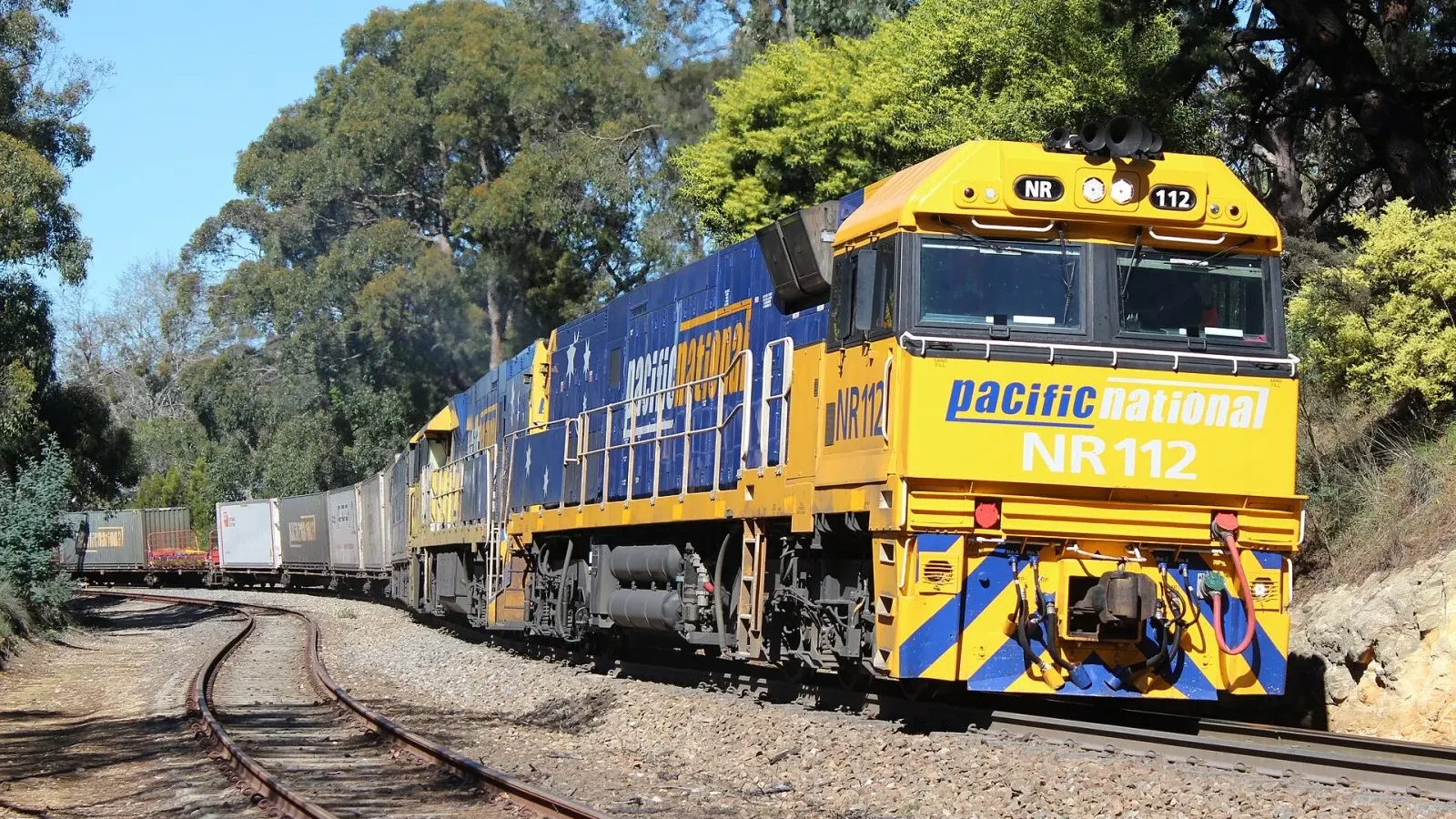
A memorandum of understanding aimed at deepening transport cooperation with Central Asian countries was signed at a ministerial meeting. The memorandum provides for joint rail freight tariffs, wider use of digital documents at border crossings and expanded capacity at transshipment hubs. Officials said transit times for freight between Asia and Europe are expected to fall markedly as a result. Technical working groups are scheduled to hold their first meeting next month. Representatives of the logistics industry welcomed the move.
In this article
- What the memorandum covers
- A new era for rail freight
- Digitalizing customs procedures
What the memorandum covers
Speaking at the ministerial signing ceremony, officials stressed that the memorandum is the first comprehensive framework for linking rail, road and air transport networks. The text covers common rules to be applied at border crossings in member countries, mutual recognition of transport documents and coordination of transport infrastructure investment. The parties said the work would be a long-term process.
The memorandum's main goal is to reduce freight transit times and costs between geographically distant markets. Officials said delays at border crossings on existing routes account for a significant share of total transit time, and that common rules could shorten this. The text also provides for priority crossing lanes on certain routes. Mutual trust and coordination were highlighted as critical to achieving this goal.
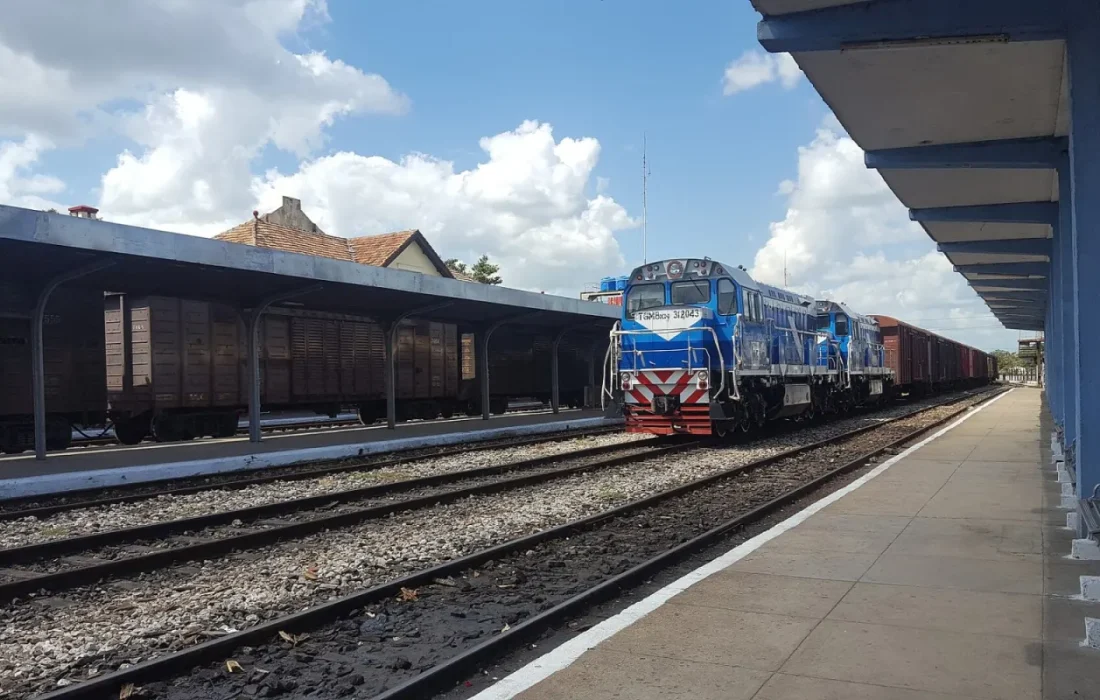
The faster the corridor runs, the stronger trade grows.
Sophie Laurent
A new era for rail freight
A new era in rail freight is one of the memorandum's most concrete elements. Plans include setting joint tariffs, allowing transit through multiple countries with a single transport document and sharing a common wagon tracking system. This means cargo owners will no longer need separate contracts with each country's railway authority. As a result, every link in the transport chain will be brought under a single legal framework.
Officials added that the idea of a joint investment fund to address capacity problems at transshipment hubs is also on the table. New cranes and storage areas will reportedly be built to cut waiting times at points where cargo is transferred because of differences in track gauge. Logistics experts say these investments will be decisive for the corridor's competitiveness.
Digitalizing customs procedures
Digitalizing customs procedures is the memorandum's third main pillar. The parties agreed on sharing transport documents electronically, processing customs declarations through advance notification before the border and jointly using risk analysis data. These measures aim to reduce physical paperwork checks at border crossings and shorten processing times. The software and data security infrastructure needed for the digital transformation is also set to be built to common standards.
| Topic | Diplomacy |
|---|---|
| Highlights | foreign policy, exports, investment |
| Reading time | 5 minutes |
| Written by | Sophie Laurent |
Key takeaways
- The memorandum provides for joint tariffs and rules for rail and road.
- Use of digital documents at border crossings will be expanded.
- The technical working groups will hold their first meeting next month.
The technical working groups will hold their first meeting next month. These groups will work out the details of the memorandum, select pilot routes and finalize the timetable. Representatives of the logistics industry welcomed the move but noted that results will depend on the pace of implementation. The ministers decided to meet every six months to review progress. The first results of implementation are expected to be assessed at the end of the year.



Leave a comment