






































Long trips in an electric car: Tips for planning charging stops
Sponsored contentThis content was produced as an advertisement / partnership.
As fast-charging stations multiply along highways, planning a long trip is getting easier. Here are our tips for easing range anxiety.
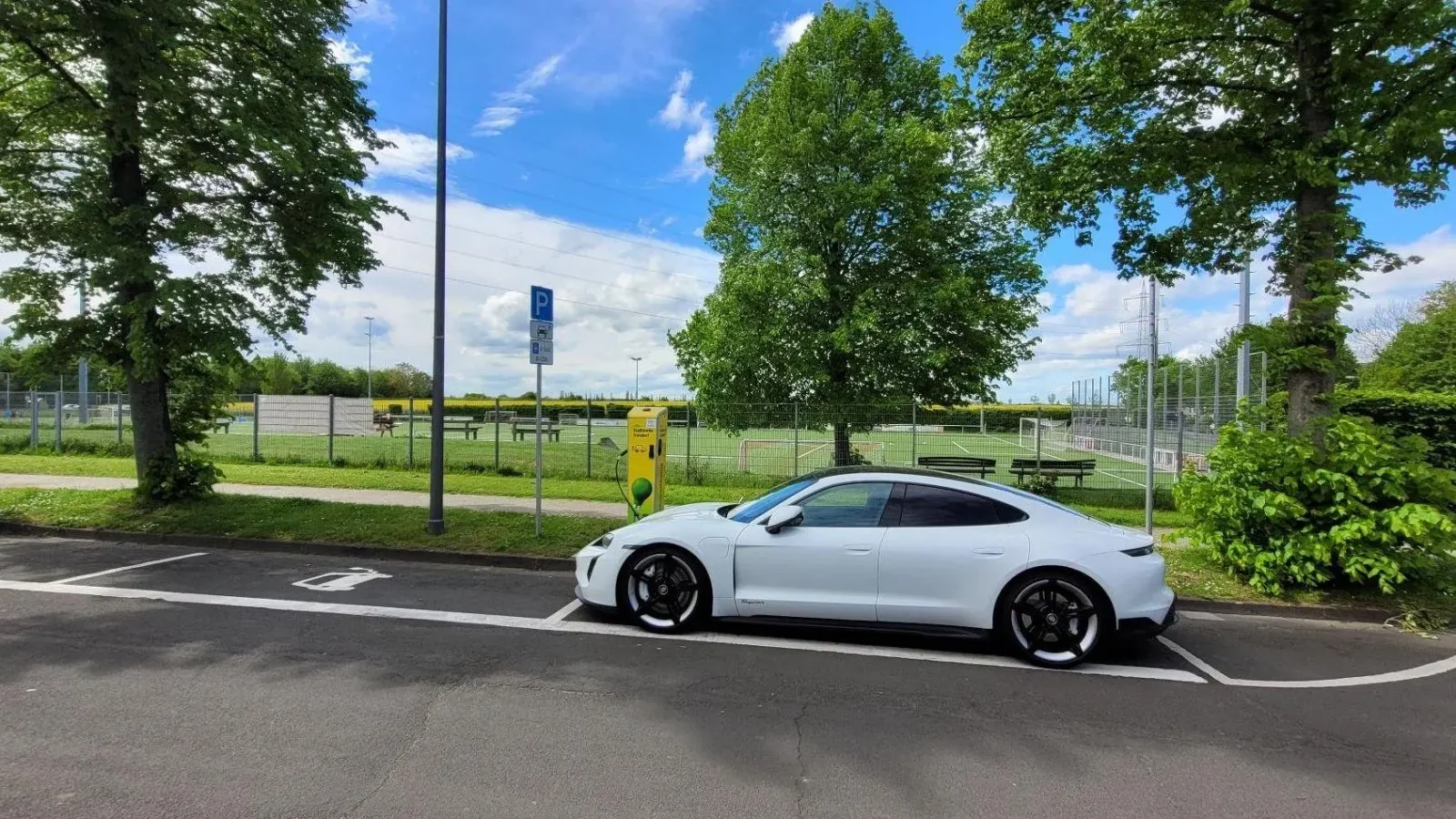
Table of contents
Range anxiety, the biggest worry for electric car owners, is easing as more fast-charging stations open along highways. Before a long trip, it's a good idea to plan the route around charging points and pick a backup station. Remember that battery efficiency drops in cold weather, so range may be somewhat shorter than in summer. Keeping the battery between 20% and 80% both shortens charging times and extends battery life. Checking station availability in real time through charging apps also saves time.
Plan your route around charging points
The most important preparation for a long trip in an electric car is to plan your route around charging points, not just your destination. Before setting off, it's worth checking the locations, power ratings and opening hours of fast-charging stations along the way. You should also have a second option ready in case a station is down for maintenance.
Experienced drivers aim to reach a charging point with 30% to 40% battery left rather than waiting for it to drop to around 20%. This leaves a safety margin in case of a station problem and lets you charge in the range where charging speed is highest. Choosing a stop with a restaurant and rest area makes the break more productive.
On a well-planned trip, a charging stop takes no longer than a coffee break.
Mark Ellison
How does cold weather affect range?
When the weather turns cold, the chemical reactions in lithium-ion batteries slow down, so a car's range can be 20% to 30% shorter than in summer. Cabin heating also increases energy use, deepening the loss. To counter this, drivers precondition the battery and cabin by setting the heating while the car is still plugged in before setting off.
On cold days, it makes sense to leave a margin beyond the range shown on the display. Keeping your speed a little below the highway limit, avoiding sudden acceleration and braking, and making good use of regenerative braking all save energy. Correct tire pressure also has a direct effect on range, so don't skip pressure checks, especially in winter.
Charging apps and payment options
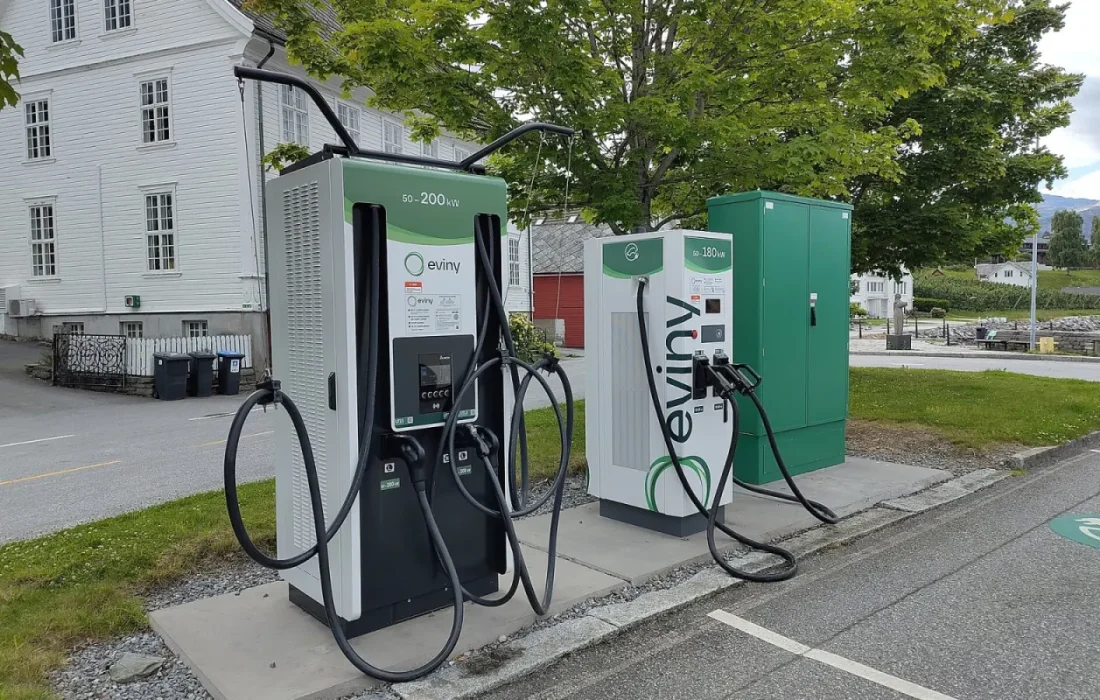
Charging apps let you see stations' real-time availability, prices and operating status. Many apps can plan a route based on your car's battery and suggest charging stops. Rather than relying on a single app, however, it's useful to install a second one as a backup and read user reviews. Stations with free parking, restrooms and cafés also make breaks on long trips much more comfortable for drivers and passengers.
| Topic | Automotive |
|---|---|
| Highlights | electric vehicles, cars, fuel prices |
| Reading time | 6 minutes |
| Written by | Mark Ellison |
Key takeaways
- Plan your route around charging points, not your destination.
- Range can drop by 20% to 30% in the cold.
- A backup app and payment method keep charging stops short.
Payment options can also vary from station to station. Some accept contactless cards, while others require a membership or payment through an app. Signing up for the necessary memberships and keeping enough credit in your account before you set off saves time at the station. Comparing rates is the easiest way to protect your budget on a long trip.
What do you think about this post?


Leave a comment