





























































We spent a week testing the year’s most anticipated electric SUV
In our video, we break down the strengths and weaknesses of the electric SUV we tested in conditions ranging from city traffic to long highway drives.

As competition in the electric SUV segment heats up month by month, we spent a week testing one of the most talked-about models of the year. Its spacious interior and quiet cabin were the first things we noticed on family trips. The range we measured in mixed driving fell somewhat short of the manufacturer's figure, but it is more than enough for daily use. Fast-charging support makes it possible to keep stops short on long trips. A few lags in the software interface are among the shortcomings we hope will be fixed with updates.
Design and interior
When we picked up the test car, the first thing we noticed was its clean but bold design. A large glass roof, flush door handles and a slim LED light signature set it apart from its rivals. Despite its size, its aerodynamic lines keep wind noise surprisingly low at high speed. The exterior's balance of sporty and refined touches makes the car look at home both in the city and on long trips at first glance, and it draws attention from other drivers too.
Step inside and you're greeted by a large screen and a driver's area free of physical buttons. The seats are supportive enough to prevent fatigue on long journeys, and rear knee room is above average for its class. Trunk space is plenty for family weekend getaways, with a separate compartment under the floor for cables and small items.
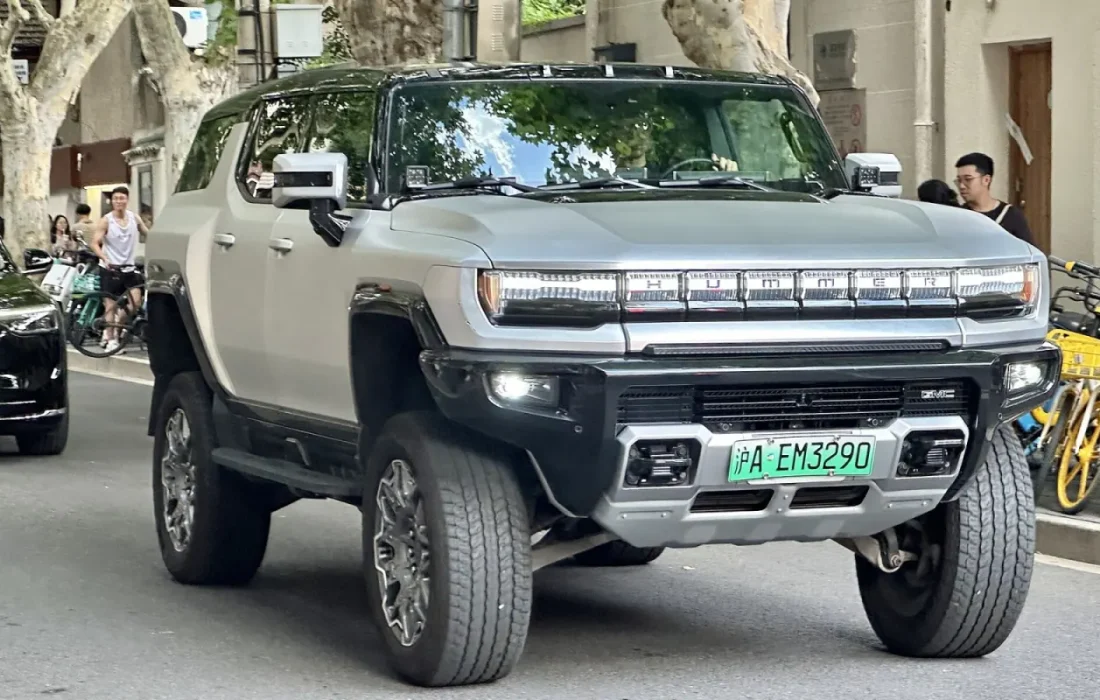
Its silence and instant acceleration win you over in no time.
Mark Ellison
Real-world range test
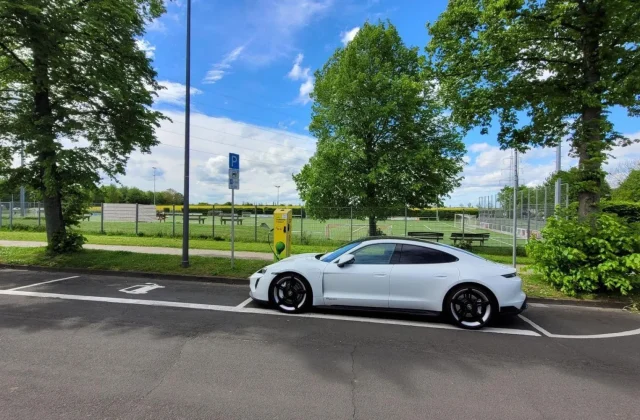
Over a week, we drove it in mixed conditions covering city streets, highways and mountain roads. In the city we saw figures close to the manufacturer's stated range, while consumption rose on the highway because of higher speeds. On country roads, the regenerative mode recovered energy on steep descents. Overall, the realistic mixed range came in about 15% below the stated figure.
At a fast-charging station, it took about 30 minutes to charge the battery from 20% to 80%. That's reasonable enough for a driver who already plans to take breaks on a long trip. A full overnight charge with a home wall charger went without a hitch. During testing, the range indicator's calculations were consistent, and we experienced no unexpected drops.
Is it worth the price?
Now for the question of whether it's worth the price. The space, comfort and quiet the car offers make a strong package for anyone looking for a family car. Driver assistance features handle lane keeping and distance control with confidence. On the downside, there are minor lags in the software interface, some deeply buried menus and slow response times on the main screen; the manufacturer is expected to fix these with updates.
| Topic | Automotive |
|---|---|
| Highlights | electric vehicles, cars, review |
| Reading time | 7 minutes |
| Written by | Mark Ellison |
Key takeaways
- A spacious interior and quiet cabin stand out on family trips.
- Mixed-use range is about 15% below the stated figure.
- Software lags are waiting to be fixed with updates.
When making a buying decision, it's important to factor in the annual running costs. Electricity use, low maintenance costs and possible tax benefits can reduce the total cost of ownership. But if charging options are limited where you live, the choice becomes harder. In short, it's a strong contender for families who can charge at home and mostly drive in the city.
What do you think about this post?
You may also like


We spent a week testing the year’s most anticipated electric SUV
In our video, we break down the strengths and weaknesses of the electric SUV we tested in conditions ranging from city traffic to long highway drives.
As competition in the electric SUV segment heats up month by month, we spent a week testing one of the most talked-about models of the year. Its spacious interior and quiet cabin were the first things we noticed on family trips. The range we measured in mixed driving fell somewhat short of the manufacturer's figure, but it is more than enough for daily use. Fast-charging support makes it possible to keep stops short on long trips. A few lags in the software interface are among the shortcomings we hope will be fixed with updates.
Design and interior
When we picked up the test car, the first thing we noticed was its clean but bold design. A large glass roof, flush door handles and a slim LED light signature set it apart from its rivals. Despite its size, its aerodynamic lines keep wind noise surprisingly low at high speed. The exterior's balance of sporty and refined touches makes the car look at home both in the city and on long trips at first glance, and it draws attention from other drivers too.
Step inside and you're greeted by a large screen and a driver's area free of physical buttons. The seats are supportive enough to prevent fatigue on long journeys, and rear knee room is above average for its class. Trunk space is plenty for family weekend getaways, with a separate compartment under the floor for cables and small items.
Its silence and instant acceleration win you over in no time.
Mark Ellison
Real-world range test
Over a week, we drove it in mixed conditions covering city streets, highways and mountain roads. In the city we saw figures close to the manufacturer's stated range, while consumption rose on the highway because of higher speeds. On country roads, the regenerative mode recovered energy on steep descents. Overall, the realistic mixed range came in about 15% below the stated figure.
At a fast-charging station, it took about 30 minutes to charge the battery from 20% to 80%. That's reasonable enough for a driver who already plans to take breaks on a long trip. A full overnight charge with a home wall charger went without a hitch. During testing, the range indicator's calculations were consistent, and we experienced no unexpected drops.
Is it worth the price?
Now for the question of whether it's worth the price. The space, comfort and quiet the car offers make a strong package for anyone looking for a family car. Driver assistance features handle lane keeping and distance control with confidence. On the downside, there are minor lags in the software interface, some deeply buried menus and slow response times on the main screen; the manufacturer is expected to fix these with updates.
| Topic | Automotive |
|---|---|
| Highlights | electric vehicles, cars, review |
| Reading time | 7 minutes |
| Written by | Mark Ellison |
Key takeaways
- A spacious interior and quiet cabin stand out on family trips.
- Mixed-use range is about 15% below the stated figure.
- Software lags are waiting to be fixed with updates.
When making a buying decision, it's important to factor in the annual running costs. Electricity use, low maintenance costs and possible tax benefits can reduce the total cost of ownership. But if charging options are limited where you live, the choice becomes harder. In short, it's a strong contender for families who can charge at home and mostly drive in the city.
What do you think about this post?
Leave a comment