


































We took a close look at this year’s most talked-about foldable phone
We spent a week with the new foldable, which stands out for its slimmer hinge and nearly invisible crease. Here are the highlights from our video review.
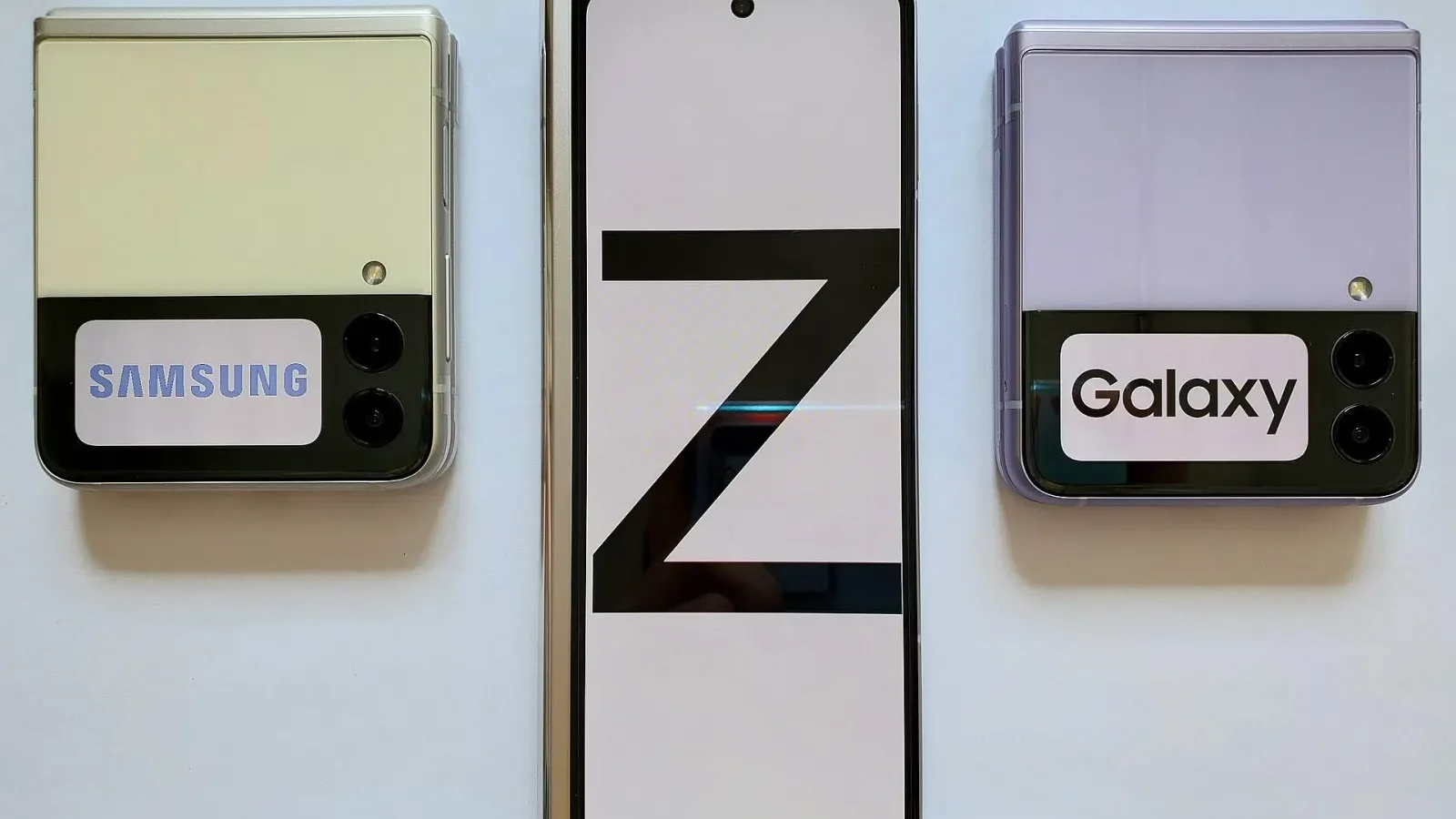
A few years ago foldable phones looked like an expensive experiment, but the latest generation is changing that perception fast. The newest model, which we used as our daily phone for a week, felt both lighter and far sturdier than its predecessor. The crease is barely noticeable, and the hinge opens comfortably with one hand. In our video review, we cover the device's strengths and weaknesses in full detail.
In this article
- Design and durability
- Display and multitasking
- Is the battery life worth the price?
Design and durability
Everyone who picks up the device says the same thing: it's light. Forty grams lighter than its predecessor, the phone doesn't feel much different from an ordinary smartphone when closed. The hinge offers solid resistance as it opens and closes with one hand, and it holds steady when half open. The crease is visible only when light hits the screen at a certain angle, and you can barely feel it with a finger.
A week is a short time to judge durability, but we did pick up some clues. We carried the device in and out of bags and pockets countless times and opened and closed it about forty times a day. The hinge developed no noise or looseness. The manufacturer cites dust and water protection; we had no problems using it on a rainy day, but long-term results will take more time.
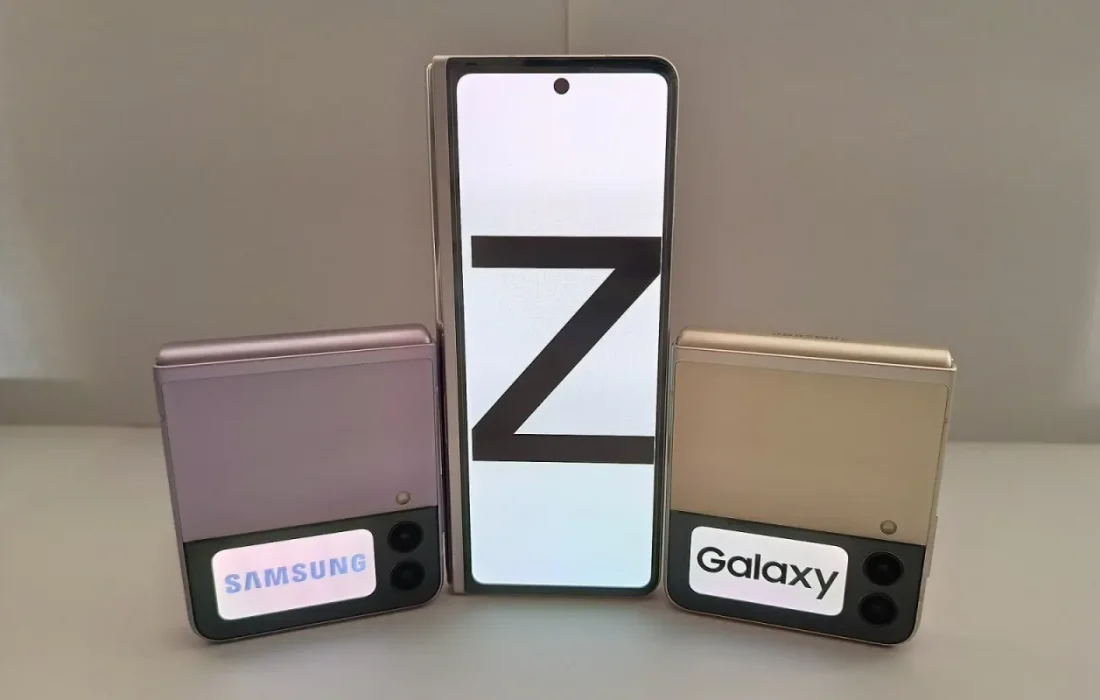
For the first time, a foldable phone feels less like a toy and more like a real work tool.
Jake Morales
Display and multitasking
On the display side, the inner panel is big enough to rival tablets, and it's bright enough to read even outdoors. Multitasking is the device's real strength: you can run two apps side by side and a third in a floating window. Reviewing a document while writing an email, or taking notes while watching a video, turns tasks that are tiring on a regular phone into a natural flow.
The cover screen isn't just a notification panel; it's a fully usable display in its own right. Using it as a selfie preview in the camera app lets you take selfies with the rear cameras. Some apps still don't fully adapt to the wide-screen layout, leaving black bars at the edges. We expect this to fade over time with software updates.
Is the battery life worth the price?
Battery life is reasonable for a dual-screen device. With heavy use, it needs a charge toward the end of the day; with moderate use, we finish the evening at around twenty percent. Fast charging takes it past fifty percent in half an hour, while wireless charging is a bit slow. Given the size of the screen, the results aren't bad, but they're not far behind the competition either.
| Topic | Gadgets |
|---|---|
| Highlights | smartphone, review, update |
| Reading time | 5 minutes |
| Written by | Jake Morales |
Key takeaways
- Lighter than its predecessor, the device has a crease you can barely feel.
- Multitasking stands out as the real advantage of the large inner screen.
- Whether the price is justified depends on how much you use the phone as a work tool.
Whether it's worth the price depends on how you use it. If your phone is a work tool and you deal with documents and email often, this device can genuinely make your life easier. If you only want it for messaging and social media, the difference may not justify the budget. In our video, we walk through both scenarios with examples.
What do you think about this post?
Leave a comment