


















































The unsung heroes of the libero position: how defense builds the game
Their names rarely appear on the scoreboard, but in modern volleyball the libero is the first link in the attack. We spoke with coach Samantha Ashby about the finer points of this crucial position.
Table of contents
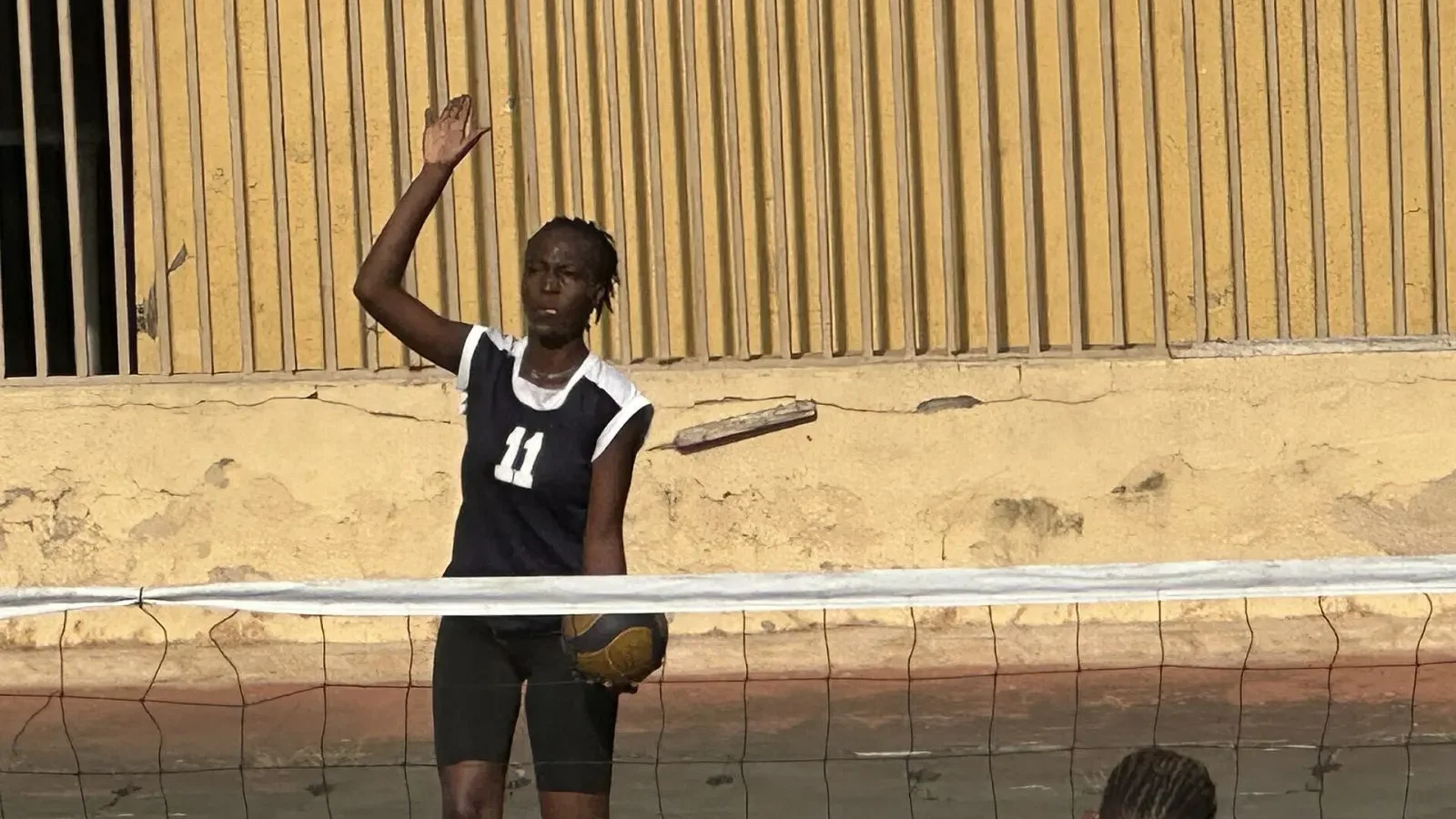
In volleyball, all eyes are usually on the hitters and the big blocks, but matches are often decided by the libero working in a different-colored jersey at the back of the court. Good serve reception lets the setter build the attack exactly as planned, while poor reception can wreck the whole plan. Coach Samantha Ashby, who has worked with youth teams for years, stresses that developing a libero is a process that requires patience and repetition. Together with Ashby, we took a detailed look at the technical and mental demands of the position.
The math of serve reception
According to Samantha Ashby, the math of serve reception rests on three simple principles: angle, rhythm and distance. The passer should square her body to the angle of the incoming ball, direct the platform of her arms toward the spot the setter wants and deliver the ball at the height of the setter's hands. A small mistake in any of these principles directly disrupts how the attack is built. She says she teaches young players these three concepts at a slow tempo first.
Ashby says a good libero can push her reception rate above 60 percent, a level that is standard at top teams. Stressing the importance of repeating the same movement hundreds of times in training, the coach insists on patience. During reception drills, she has players work with small hoops to keep their arms fixed at the same height. Beyond the numbers, the real goal is to make every pass easy for the setter to use.

A good libero knows where the ball is going before it ever hits the floor.
Sophie Laurent
Reading the game and positioning
Reading the game and positioning are the hidden side of the libero position. Ashby explains that a good libero can predict where the ball is going from the opposing hitter's shoulder and arm movements. Developing this skill means watching opponents' match videos and noting players' habits. Reading the balance between the block and the defense before the attack begins is part of the same skill set.
The libero is also at the center of communication on the court. She calls out to her teammates where the ball is going and who will cover which zone. Ashby points out that the role also requires leadership. On many teams, the libero is seen as the second most important source of on-court decisions after the captain, and winning her teammates' trust is essential.
A roadmap for young liberos
The roadmap for young liberos starts with building a solid foundation of fundamentals. Ashby says she teaches players aged twelve to fourteen only reception and floor defense. At this stage, she believes a player should specialize in position-specific skills rather than learning to attack or serve. That way, the value of the position takes firm root in the player's early years.
| Topic | Volleyball |
|---|---|
| Highlights | women's volleyball, young players, head coach |
| Reading time | 7 minutes |
| Written by | Sophie Laurent |
Key takeaways
- Good serve reception rests on the principles of angle, rhythm and distance.
- The libero's ability to read the opposing hitter and communicate on court is vital.
- Young liberos learn the fundamentals first, then video analysis and mental training.
After sixteen, video analysis, reading opponents and in-game decision-making are added. The player's mental resilience is also developed in this phase; bouncing back quickly after a mistake is one of the most important traits for a libero. Ashby also encourages parents to explain the value of the position to their children. Some young athletes, she notes, tend to look down on the position because it doesn't score points.
What do you think about this post?


Leave a comment