





























































‘Last Ticket for the Night Train’ review: An ambitious thriller that veers between genres
Kai Orsen's thriller, set on a single overnight train, loses its way in the third act after a strong first half. Even so, the performances and cinematography make it worth watching.
Thrillers set in the cramped compartments of a train are one of the best-loved subgenres in film history. With his second feature, 'Last Ticket for the Night Train', Kai Orsen leans into that tradition. The story, which begins when a passenger vanishes on an overnight train from the capital to the northern highlands, is tight and breathless for its first hour. In its final half hour, however, the film loses its balance as it tries to shift from thriller to supernatural horror and then to family drama. Still, strong performances and cinematography that makes masterful use of the confined space make it worth seeing for genre fans.
In this article
- Suspense built in a single location
- Cast and characters
- The third-act swerve
Suspense built in a single location
The film opens in the sleeper car of an overnight train leaving the capital's central station for the northern highlands. One of the passengers, a retired engineer named Mr. Nash, disappears from his compartment after midnight. No one has gotten off while the train is moving, so Mr. Nash is either still on board or something terrible has happened to him. Conductor Sylvia has until morning to solve the mystery. All she has is a passenger list, a flashlight and a long night ahead of her.
In the film's first hour, Kai Orsen builds claustrophobic suspense by masterfully using the narrow compartments, long corridors and dining car. Every passenger has a secret, and each time a compartment door opens, the story takes a new turn. The rhythmic sound of the train, the faces reflected in the dark windows and brief power cuts make the first half genuinely breathtaking. In this section, Orsen's love of genre cinema and command of its conventions are clearly felt.
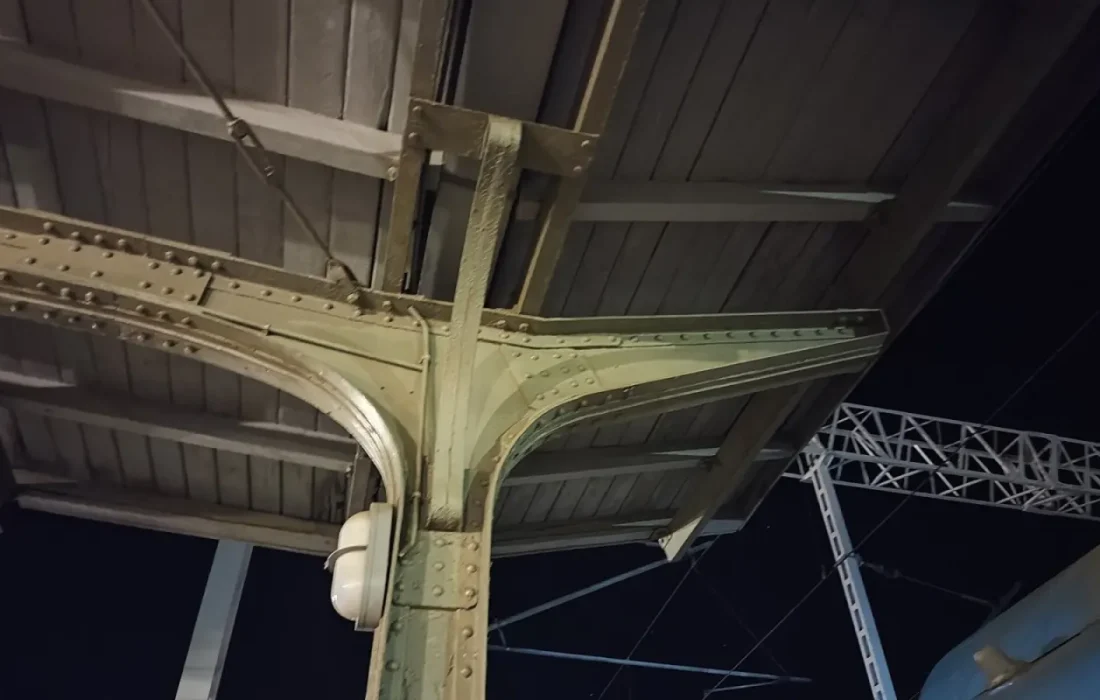
The film doesn't derail where the train does, but where the script does.
Sophie Laurent
Cast and characters
One of the film's greatest strengths is its cast. Diana Ellis, who plays conductor Sylvia, convincingly conveys both the character's weariness and her determination. Among the passengers, young actress Erin Kane as the missing man's daughter and Tim Sorensen as a suspicious businessman stand out. The tense relationships between the characters keep the story's pace lively. Ellis's calm yet taut performance keeps the audience hooked even when the film starts to fall apart.
That said, some characters are underdeveloped. A young couple and an elderly woman traveling on the train never become more than color and are all but forgotten toward the end. Giving these characters more room in the script could have both enriched the mystery and spread the audience's suspicions more widely. Still, the actors' performances make up for this shortcoming to some extent. Although these characters seem to be pieces of the mystery set up in the first half, they serve no purpose in the finale.
The third-act swerve
The film's real problem emerges in its last half hour. Instead of solving the mystery, Orsen tries to switch genres by adding supernatural elements to the story. The film then veers into family drama, losing its balance in these transitions and confusing the audience more than surprising it. As a result of this swerve, the final scene feels less like a resolution than an open-ended question. The messiness of the third act also retroactively weakens the strong suspense built in the first hour.
| Topic | Reviews |
|---|---|
| Highlights | review, screenplay, actor |
| Reading time | 6 minutes |
| Written by | Sophie Laurent |
Key takeaways
- The film follows the mystery of a passenger who vanishes on an overnight train.
- The single-location suspense of the first hour and the performances are impressive.
- The genre shifts of the last half hour throw the film off balance.
Even so, 'Last Ticket for the Night Train' deserves to be seen as an ambitious and bold attempt in local genre cinema. The cinematography, sound design and performances show that it is a technically strong production. If Orsen pairs this ambition with a more coherent script in his next film, he will clearly become one of the most interesting names in local thrillers. For genre fans, it's worth noting as an experiment worth seeing on the big screen.
What do you think about this post?
Leave a comment