








Three years, one highland pasture, four seasons: Documentary maker Nadia Ekland’s camera followed a village
'The House Above' follows the lives of the last three families who move up to the highland pastures every summer, over three years. Documentary maker Nadia Ekland explains how long it took for people to forget the camera.
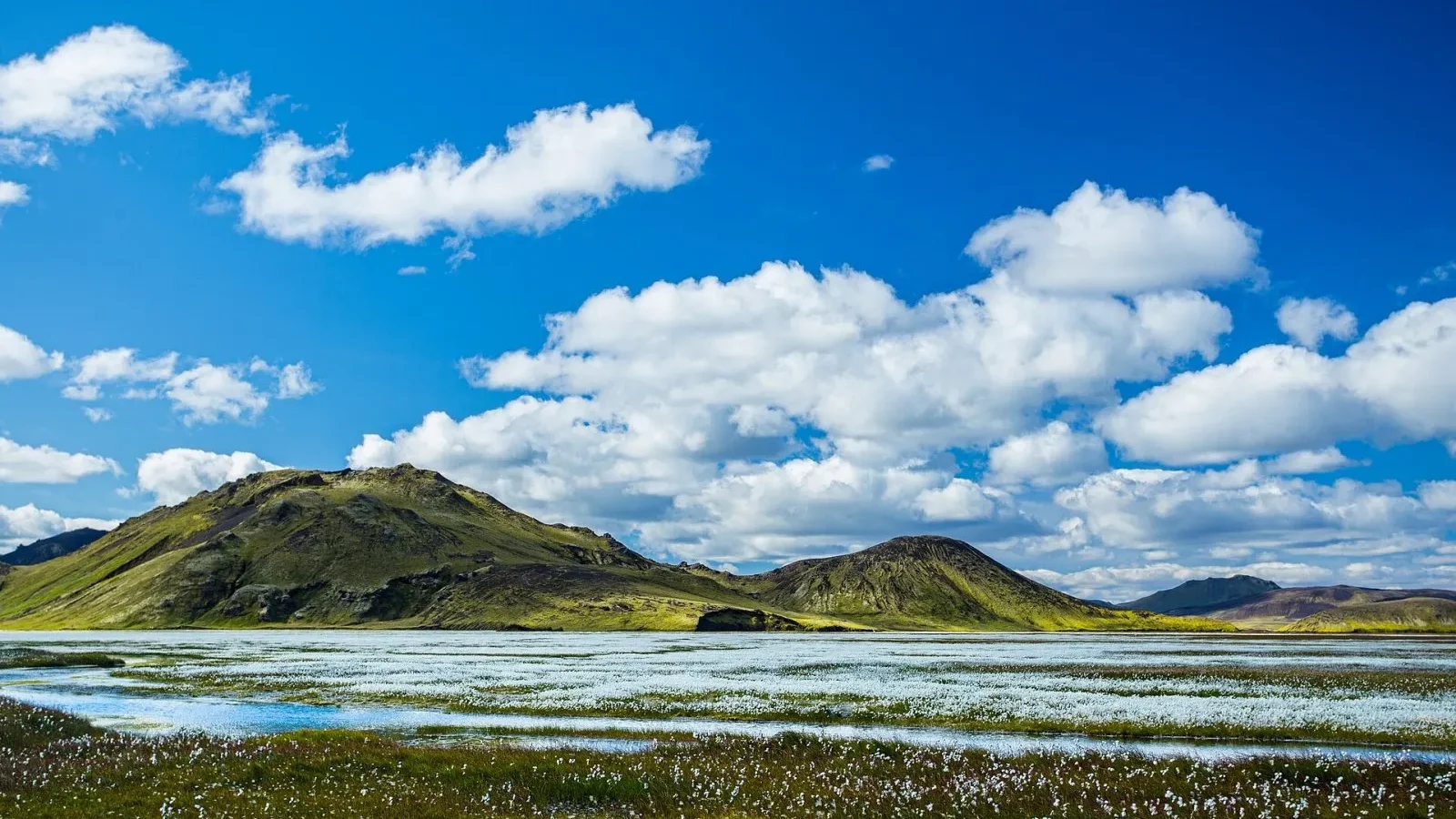
In the high pastures of the eastern mountains, fewer and fewer families still move up the mountain with their animals every summer. Documentary maker Nadia Ekland recorded the lives of the last three families keeping this tradition alive over three years, and the result is the feature documentary 'The House Above'. Across four seasons, the film follows the families' spring migration from the village to the pastures, the butter and cheese making that lasts all summer, the return to the village in autumn and the pasture houses left empty in winter. Ekland says the film will screen at documentary festivals in the coming months before reaching audiences on a streaming platform. We talked to her about the film and about the story of patient documentary filmmaking.
In this article
- How the documentary was born
- Making them forget the camera
- The screening journey
How the documentary was born
Nadia Ekland says the idea for the documentary came to her four years ago in the highland pastures, where she had gone for a photography project. That summer, seeing that only three families remained and that most of the houses where hundreds once lived stood empty, she felt these last summers had to be recorded. The following spring she returned with a small camera and an audio recorder and was there every season for three years. Ekland says that on her first trip she took only a backpack, a sleeping bag and a few notebooks.
Ekland says she covered most of the documentary's budget with her own savings and a small production grant. She shot most of it alone, with a sound recordist joining her only for the winter shoots. In total she recorded more than four hundred hours of footage, and the editing took a year and a half. She adds that the film's narrative was rebuilt from scratch several times during the process. Ekland says the hardest decision during her months in the editing room was cutting many scenes she loved.
When the villagers forgot about the camera, the real film began.
Sarah Bennett
Making them forget the camera
The toughest part of the documentary was getting the families used to the camera. Ekland says she barely filmed at all the first summer, instead working alongside the families, milking cows and making butter. But by the middle of the second summer, she says, the families had forgotten about the camera, and from that moment the real film began. She adds that her favorite scenes in the documentary were shot during this period. The closeness she built with the families has turned into a real friendship that continues today. With a smile, she adds that the families call her every holiday.
Ekland stresses that trust is the most important thing in documentary filmmaking. She explains that the families opened up the most intimate moments of their lives to her, so she watched every scene with them and got their approval. After watching the first cut, the elderly grandmother of one family hugged her, cried and told her that without her, no one would ever have known about their lives. Ekland says she will never forget that moment. In the final cut of the documentary, the scene was placed in the closing section with the grandmother's permission.
The screening journey
'The House Above' will screen at documentary festivals at home and abroad in the coming months. The film has already been invited to two international documentary festivals. Ekland says that after its festival run, the film will reach audiences on a streaming platform and that talks are ongoing. She also wants the documentary to reach audiences through free screenings in mountain villages, and plans to team up with a traveling cinema crew for them. She says she dreams of holding the screenings in summer, up in the pastures, and that the families were delighted by the idea.
| Topic | Documentary |
|---|---|
| Highlights | documentary, director, independent cinema |
| Reading time | 6 minutes |
| Written by | Sarah Bennett |
Key takeaways
- The documentary follows the lives of the last three families on a highland pasture over three years.
- The director earned the families' trust by working alongside them the first summer without filming.
- After its festival run, the film will reach audiences on a streaming platform.
Ekland's greatest wish is for the film to help keep the culture of the highland pastures alive. She hopes the documentary will spark young people's interest in the tradition and help people appreciate the value of this way of life. When we asked about her next project, she said with a laugh that she has started working on a vanishing craft on the coast, but hopes the shoot will be much shorter this time. Ekland believes documentary is the art that teaches patience more than any other, and that this patience always pays off.
You may also like
What do you think about this post?
Leave a comment