


























































Clay, wire and patience: A twelve-minute film comes to life in a stop-motion workshop in Eastbridge
Founded by a group of young animators in Eastbridge, the Wire & Clay Workshop has spent two years shooting the short film 'The Miller's Daughter' frame by frame. We tell the story of a world of miniature sets and patient hands in pictures.
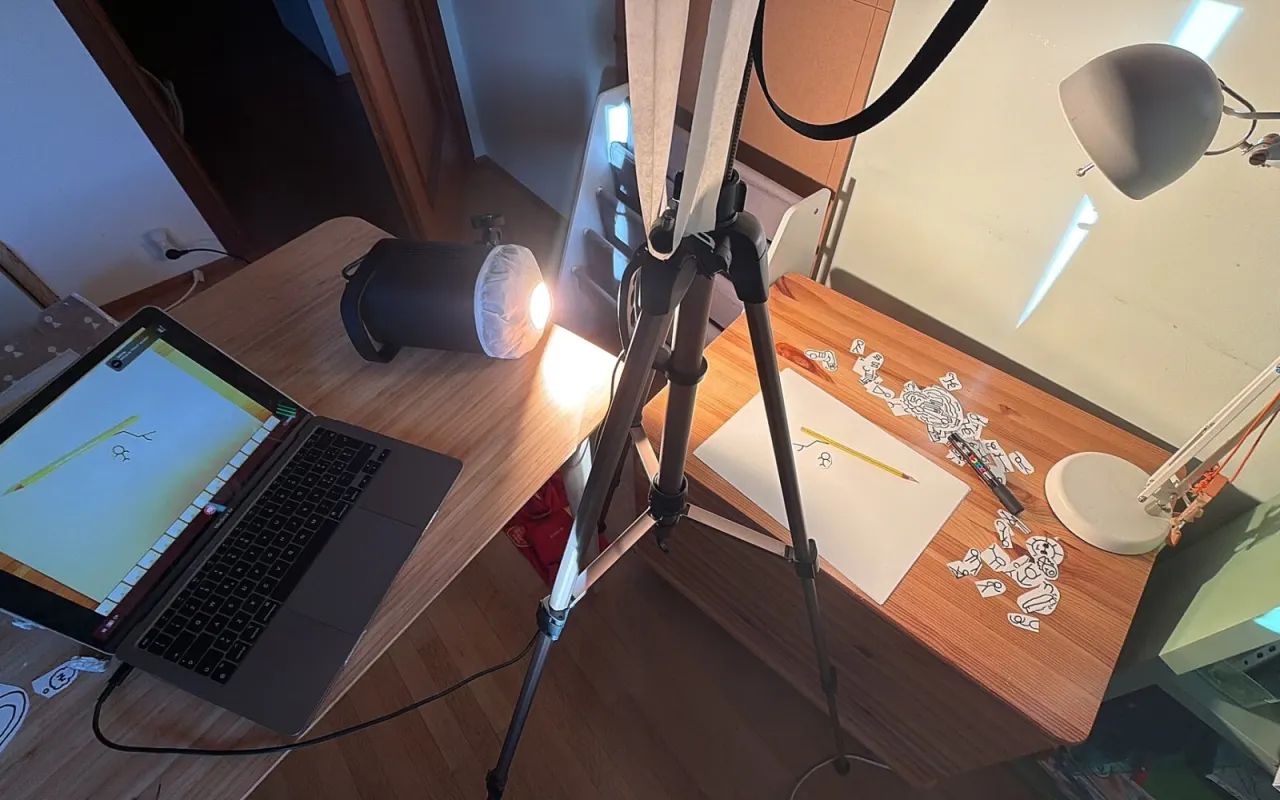
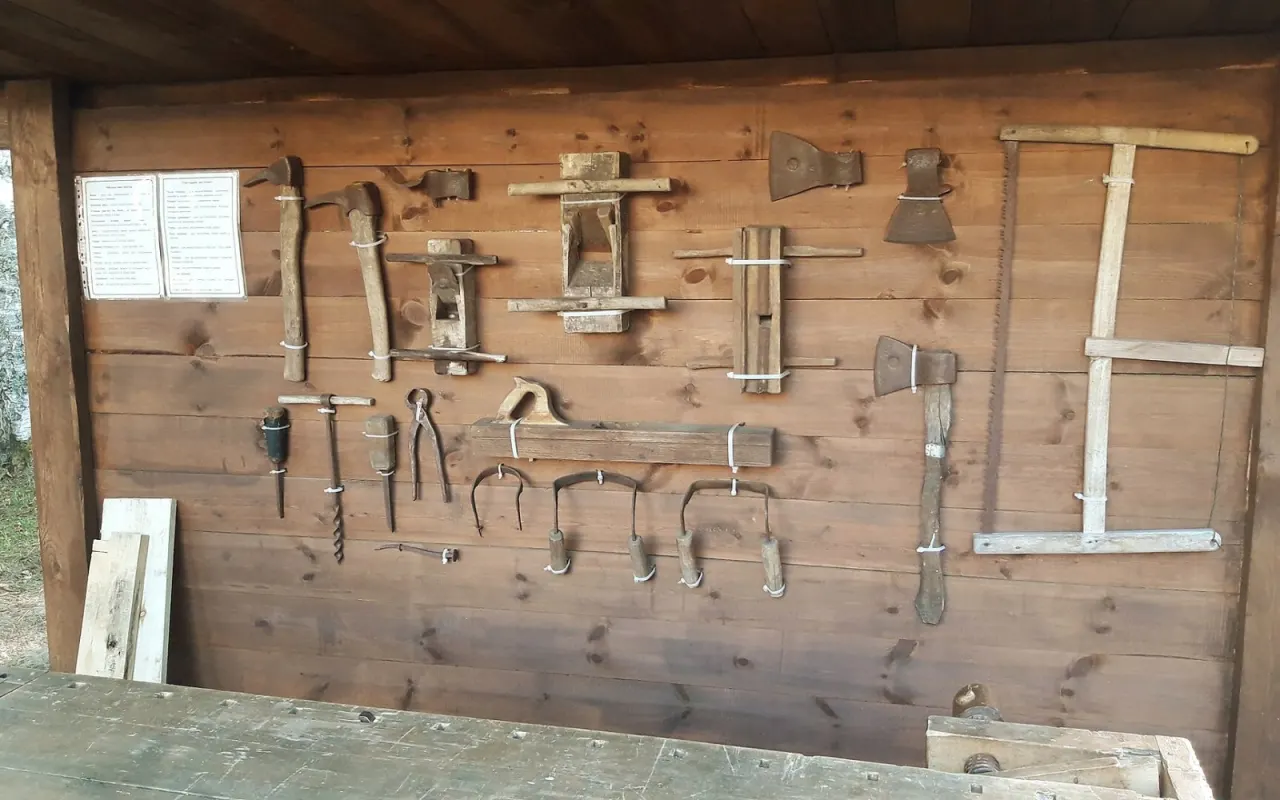
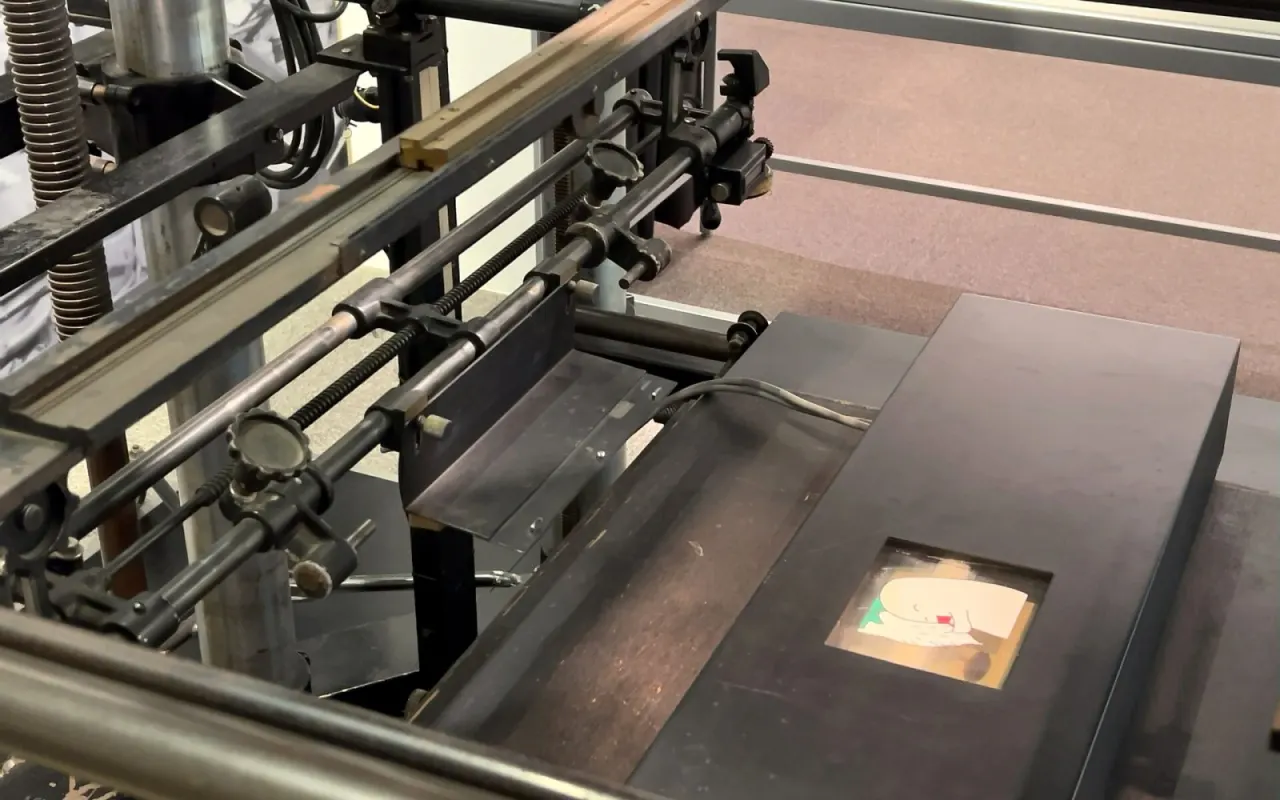
In the basement of an old wooden house in Eastbridge's old quarter, there is a workshop where time moves at an entirely different pace. Founded by five friends who graduated from an animation program, the Wire & Clay Workshop has spent two years working on 'The Miller's Daughter', a twelve-minute stop-motion film. Every character is handmade from clay and fabric over a wire skeleton, and every scene is photographed frame by frame on miniature sets. The team says that on a good day they can shoot only three to four seconds of footage. The shots taken on the day we visited make the place of patience and handcraft in the art of animation plain to see.
In this article
- How the workshop began
- Twenty-four frames for one second
- Masters of a miniature world
How the workshop began
The Wire & Clay Workshop was born from the shared dream of five friends who graduated from a university animation program in Eastbridge. The team members say they became interested in stop-motion during their graduation projects and wanted to pursue the technique professionally. Three years ago, they set up their workshop by renting the basement of an old wooden house in the town's old quarter. At first they worked on commercials and music videos, and with the income from those jobs they gradually built up the workshop's equipment.
The workshop's first major project, 'The Miller's Daughter', tells the story of a little girl trying to run her father's mill on her own in a mountain village. The team funded the film with an arts grant and an international animation fund. After two years of intensive work, the film will be completed next spring and then submitted to international animation festivals. The team believes that getting into a festival lineup would open an important door for the workshop's future. They also want the film to reach children through school screenings.
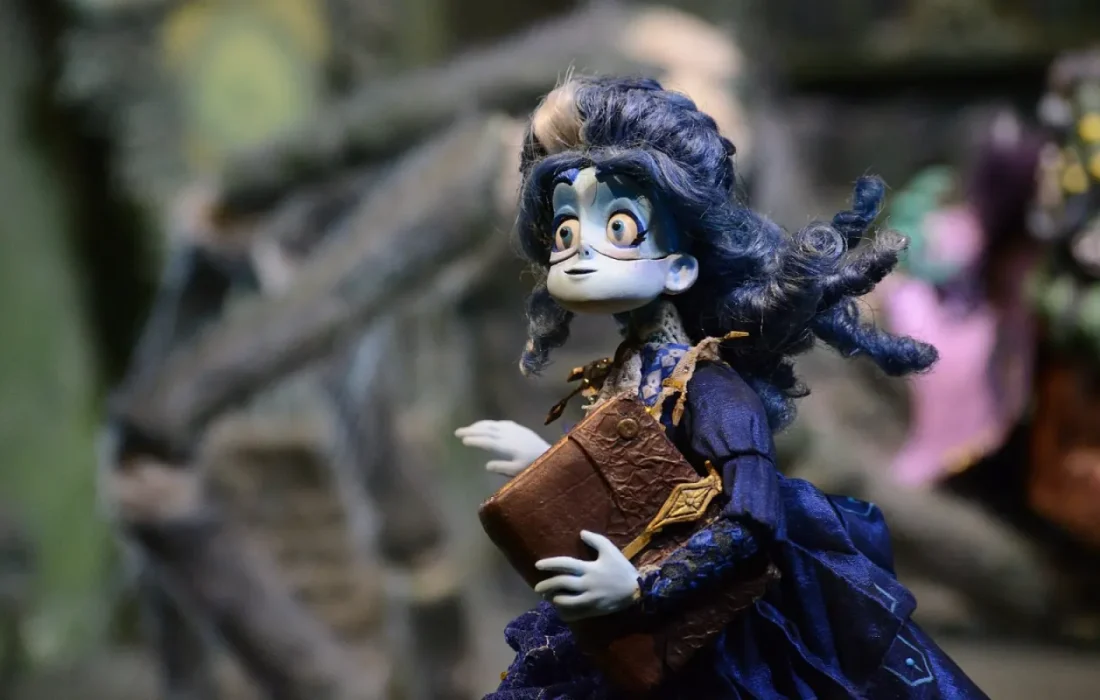
A whole day's work adds up to just a few seconds on screen.
Ethan Brooks
Twenty-four frames for one second
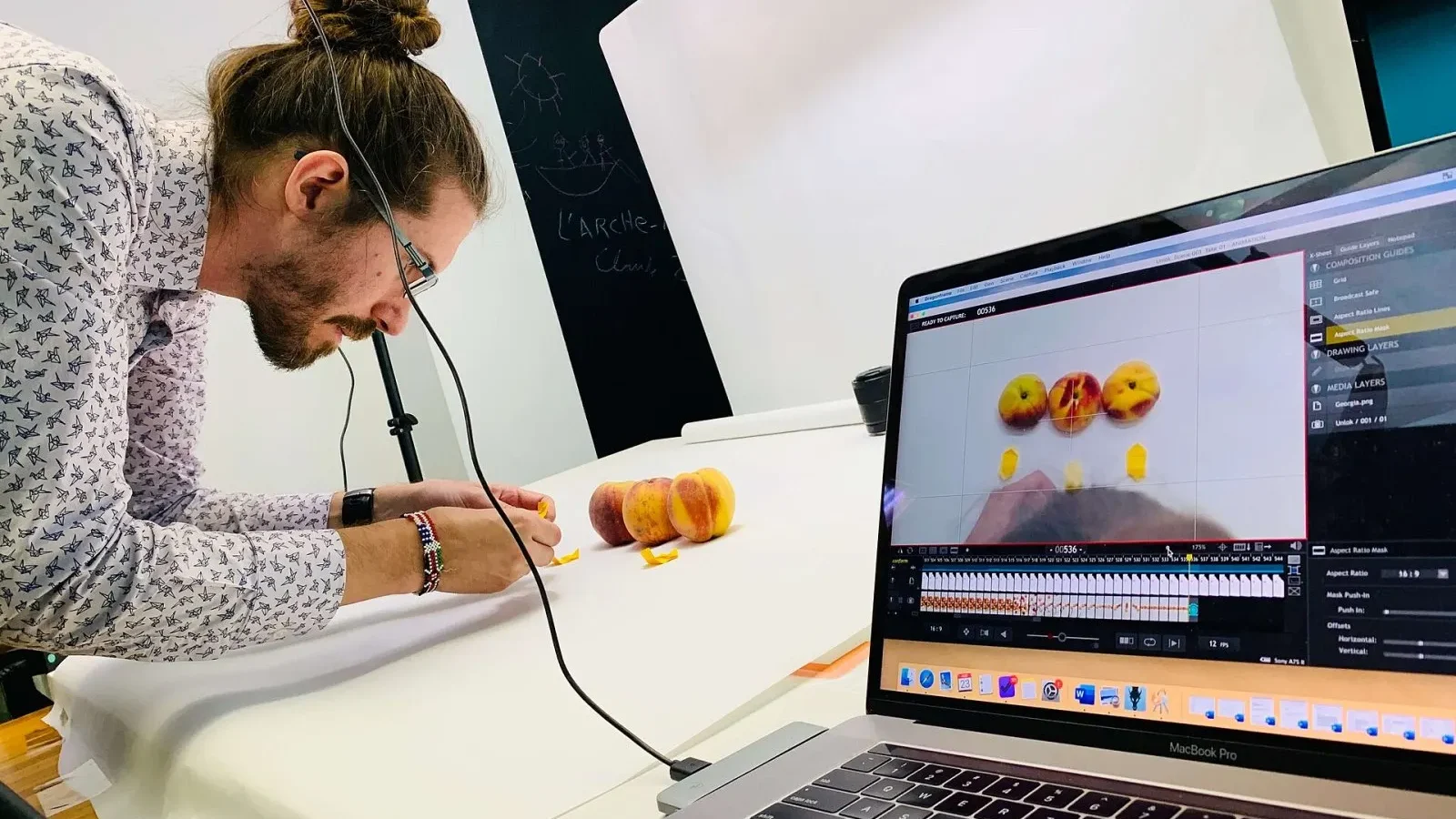
In stop-motion, characters and objects are moved in tiny increments and photographed one by one in each position. When these photos are played in sequence, they create the illusion of movement. The workshop uses twenty-four frames per second for the film, which means the characters have to be moved and photographed twenty-four times for a single second of footage. That makes it extremely painstaking work. In the workshop, every frame is transferred to a computer with special software, and the smoothness of the motion is checked instantly.
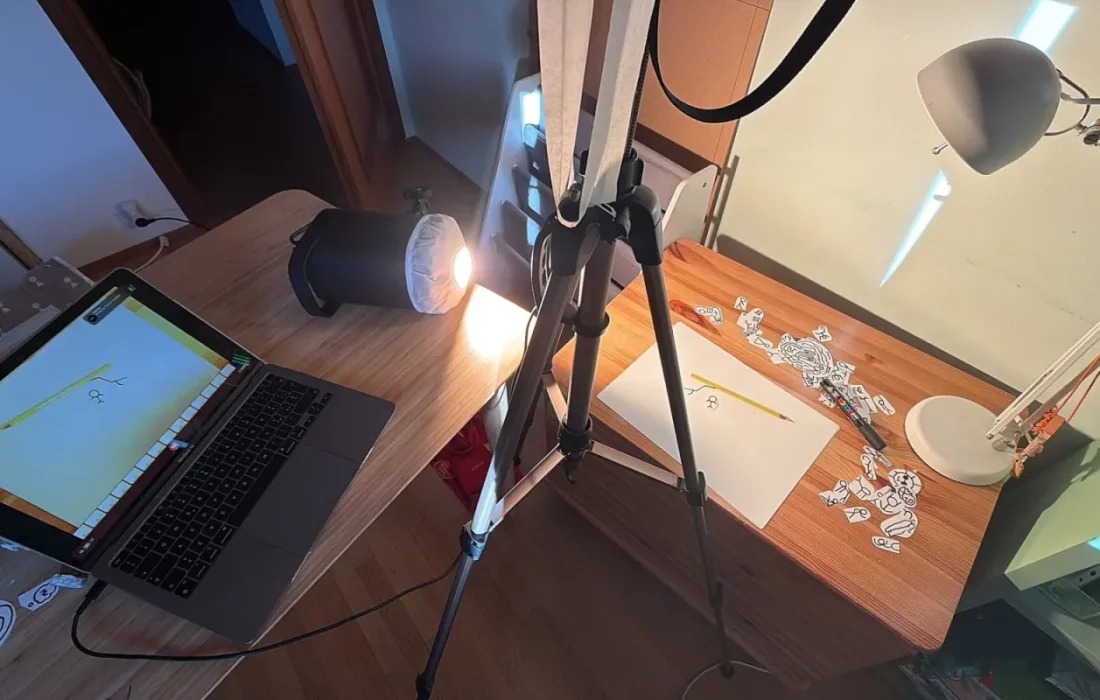
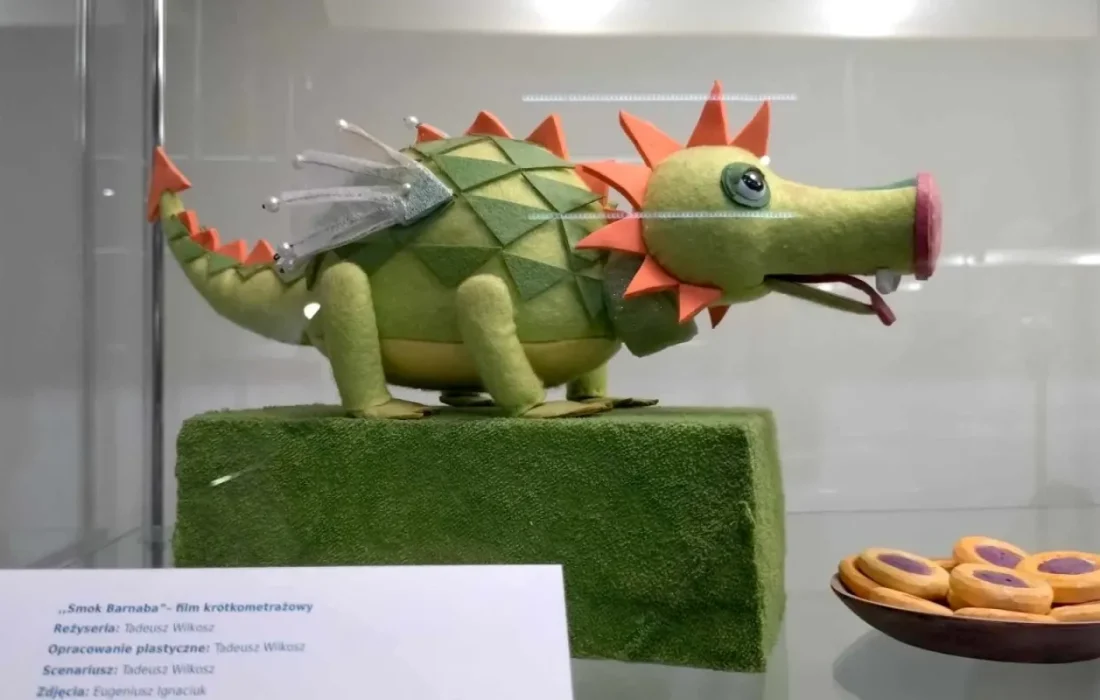
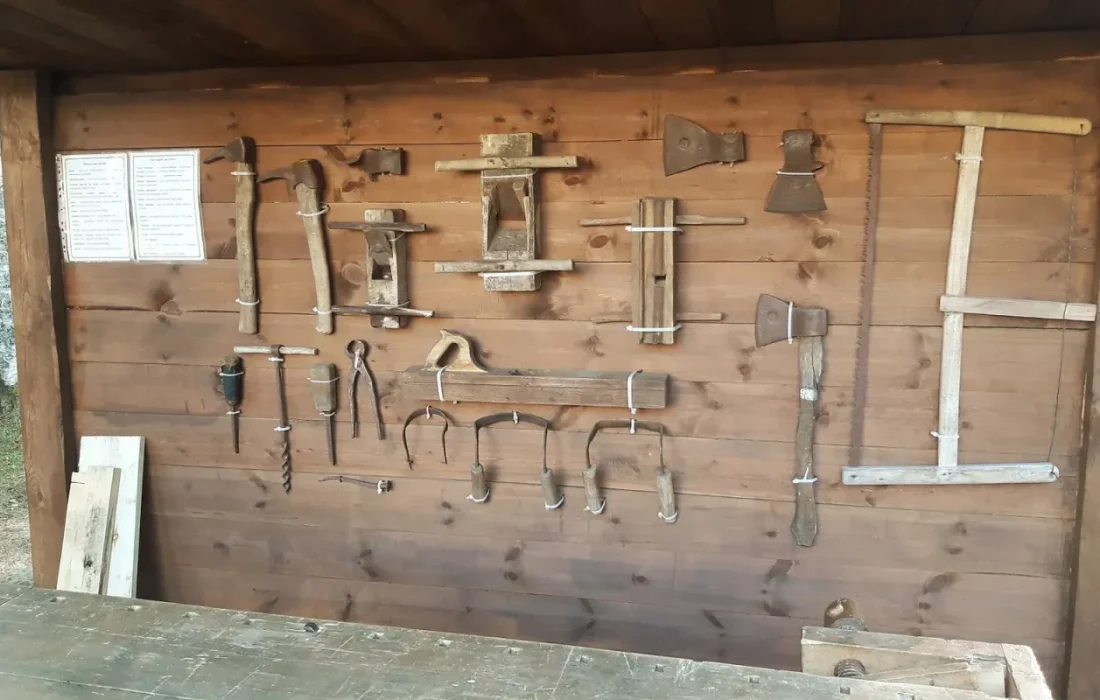
The team says that on a good day they can shoot only three to four seconds of footage. In complex scenes, such as those with the mill's turning wheel and running water, a whole day can go into a single second of footage. The twelve-minute film requires more than 17,000 frames in total. The team members say this slowness feels like a kind of meditation to them. On long shooting days, the team works with music on, taking breaks in turns.
Masters of a miniature world
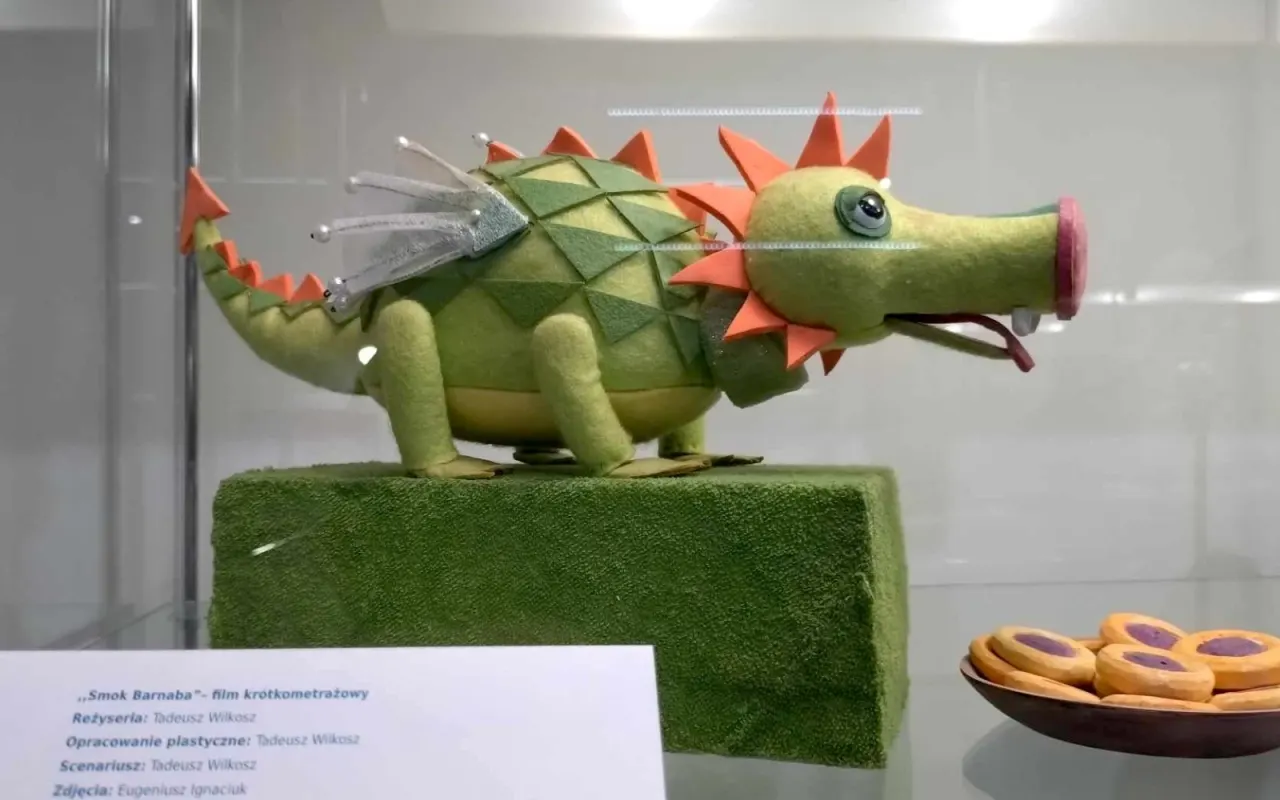
Every character in the film is shaped by hand from clay, fabric and wood over a poseable wire skeleton. The little girl at the center of the story has twelve different faces for different expressions. Character designer Chloe Ainsley says each character takes about a month to make. The costumes are made with miniature sewing techniques, often with the help of tweezers and a magnifying glass. Ainsley says they spent months experimenting to make sure the characters' facial expressions evoke the right emotions in the audience.
| Topic | Animation |
|---|---|
| Highlights | animation, short film, film set |
| Reading time | 5 minutes |
| Written by | Ethan Brooks |
Key takeaways
- The Wire & Clay Workshop has been shooting the stop-motion film 'The Miller's Daughter' for two years.
- On a good day, the team can shoot only three to four seconds of footage.
- The characters are handmade from clay and fabric over wire skeletons.
The miniature sets are built with as much care as the characters. The mill, the village houses and the mountain landscape are handmade from wood, foam, fabric and natural materials. Set designer Liam Turner says the miniature model of the mill alone took three months. Once the film is finished, the workshop plans to open the sets and characters to visitors in an exhibition in Eastbridge, which will also include a small workshop corner where visitors can try their hand at stop-motion.
What do you think about this post?


Leave a comment