





























































A new generation of directors turns the camera on small towns: Three debuts, three towns
Shot in Millbrook, Port Avery and Stonehaven, three debut films came home from festivals with awards, made on small budgets with local casts. The young directors talk about the value of telling their own towns' stories.
There is a trend in local cinema that has become increasingly clear in recent years: young directors are shooting their first films not in big cities but in the towns where they grew up. Three debut films that stood out at festivals this year are among the finest examples of this trend. Sienna Okafor tells the story of a family's grape harvest season in Millbrook, Ben Iverson portrays the last days of a small fishing harbor in Port Avery, and Grace Tan follows the summer of two children growing up among the stone houses of Stonehaven. What the three films have in common are small budgets, non-professional local actors and long preparation periods. We talked to all three directors about their films, their shoots and what it means to return to their hometowns.
In this article
- A family story from Millbrook
- A harbor town in Port Avery
- Among the stone houses of Stonehaven
A family story from Millbrook
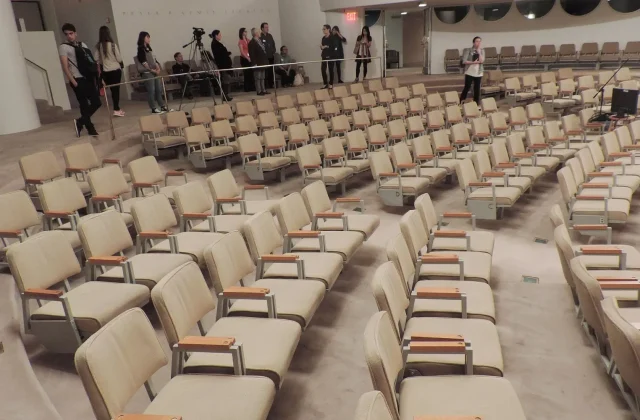
Sienna Okafor's debut 'Harvest Days' follows three days in the life of a large family that gathers for the grape harvest in a small town outside Millbrook. Okafor says she shot the film at her grandmother's vineyard house and that most of the cast were family members and neighbors. The film explores conflicts between generations and the distance between young people who moved to the city and those who stayed behind, with warm humor. The rhythm of the harvest shapes a calm but warm narrative that also sets the film's pace.
Okafor says most of the film's budget came from a crowdfunding campaign and a small arts grant. The shoot lasted just eighteen days, with a crew of only twelve. Over the summer, the film won the best first feature award at a regional festival. Okafor says seeing her own family in front of the camera was both very difficult and very healing. The film will open in a limited number of theaters next spring and will then be available on a streaming platform.

Filming my own town was the only way to find my own voice.
Sophie Laurent
A harbor town in Port Avery
Ben Iverson's 'The Last Net' follows the closing of a small fishing harbor in Port Avery. The film focuses on the daily lives of the last fishermen forced to leave the harbor because of a new tourism project. Iverson says he comes from a fishing family himself and spent his childhood in this harbor. The lead role is played by Captain Harry, a real fisherman. Iverson says that while making the film he witnessed the harbor actually closing, which turned the film into a document.
Iverson says working with non-professional actors gave him great freedom but also demanded patience. He says some scenes were shot without a script, in the fishermen's own words, which gave the film a documentary realism. The film captures the harsh weather of the northern coast and the fishermen's relationship with the sea in a powerful visual language. Iverson is now scouting locations on the same coast for his second film. This year the film won best first feature and best cinematography at two separate festivals.
Among the stone houses of Stonehaven
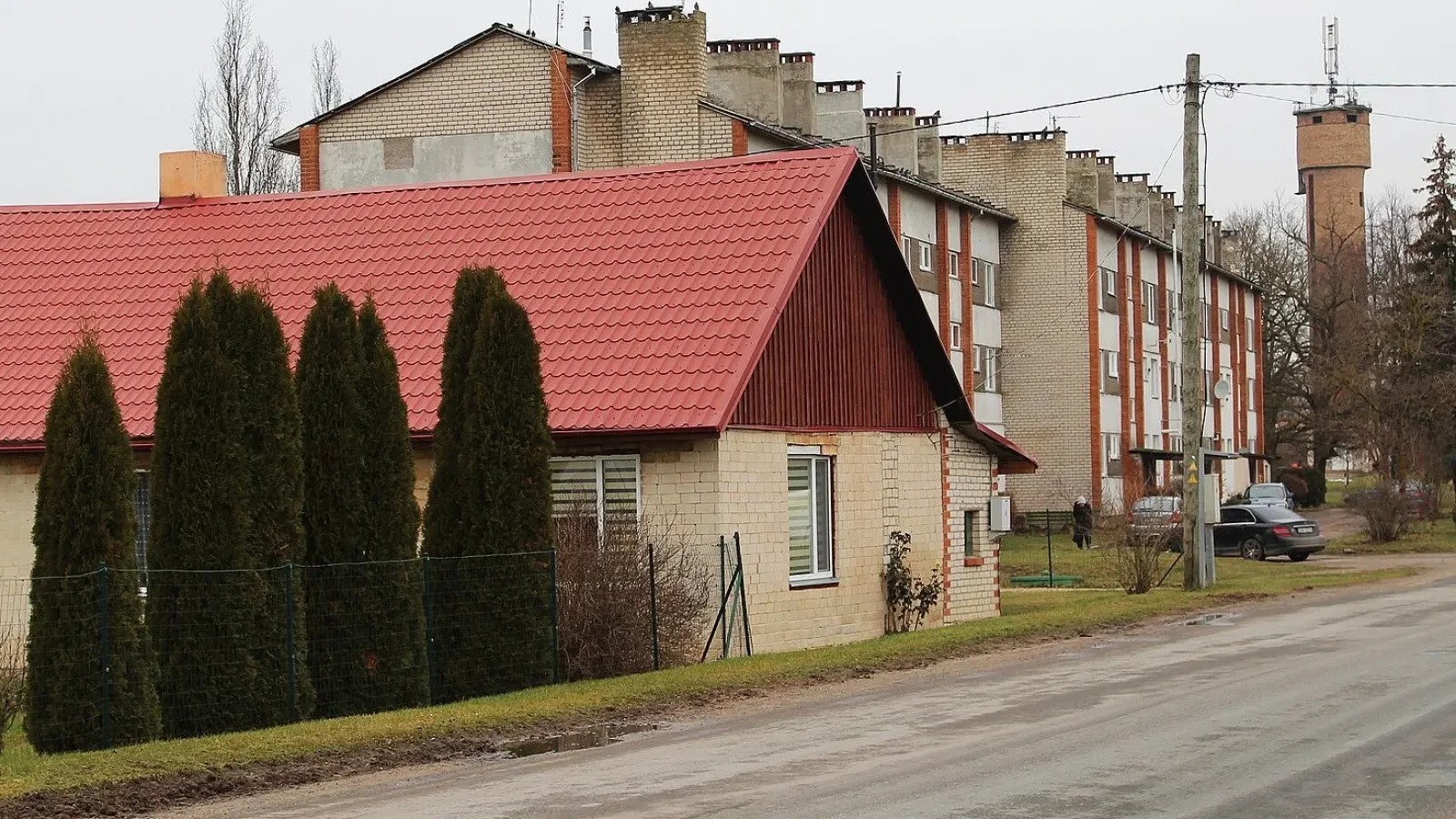
Grace Tan's debut 'The Stone Courtyard' is a summer story set among the stone houses of Stonehaven's old neighborhoods. The film follows the friendship that Zoe and Max, children of two families sharing the same courtyard, form over their summer vacation. Tan says the film grew out of her own childhood memories and that she wanted to use the town's stonework like a character. With the shadows of the stone courtyard and the weight of the summer heat, the film carries viewers straight into the timeless world of childhood.
| Topic | Local Cinema |
|---|---|
| Highlights | local film, independent cinema, director |
| Reading time | 7 minutes |
| Written by | Sophie Laurent |
Key takeaways
- Three young directors shot their debut films in their hometowns.
- The films feature non-professional local actors and small budgets.
- All three films came home from festivals with awards and await release dates.
Tan says she cast the film through workshops with children from the neighborhood. Before shooting, she spent two months doing games and improvisation exercises with them. The film won an award in the children and youth section of an international festival and is expected to open next year. Tan stresses that small towns are full of countless stories waiting to be told and that young filmmakers should take ownership of them. The three directors share the same wish: that their films be shown not only at festivals but also in the towns where they were made.
You may also like
What do you think about this post?
Leave a comment