
























































In Sinan’s footsteps: Rereading the Selimiye in Edirne
We toured the Selimiye Mosque, regarded as the masterpiece of the architect Sinan, with an architectural historian and uncovered the secrets of the space beneath its dome.
Dominating the skyline of Edirne, the Selimiye Mosque is considered the masterpiece of the architect Sinan. Standing for more than four centuries, the building, with its vast dome and slender minarets, still draws architecture students and historians today. We toured it from early morning until evening with architectural historian Henry Yates. Yates explained how the uninterrupted sense of space beneath the dome was created and the role the light pouring through the windows plays in that design.
In this article
- The space beneath the dome
- Light dancing with architecture
- The complex's place in the city
The space beneath the dome
We began our tour with Yates in the courtyard. He showed us how the dome, set on an octagonal plan, rests on four main piers and eight columns. This system leaves the space beneath the dome almost completely uninterrupted. As Yates put it, the space feels so open not by chance but as the result of a carefully calculated architectural decision. It is often said that with this solution Sinan took the architectural thinking of his age a step further.
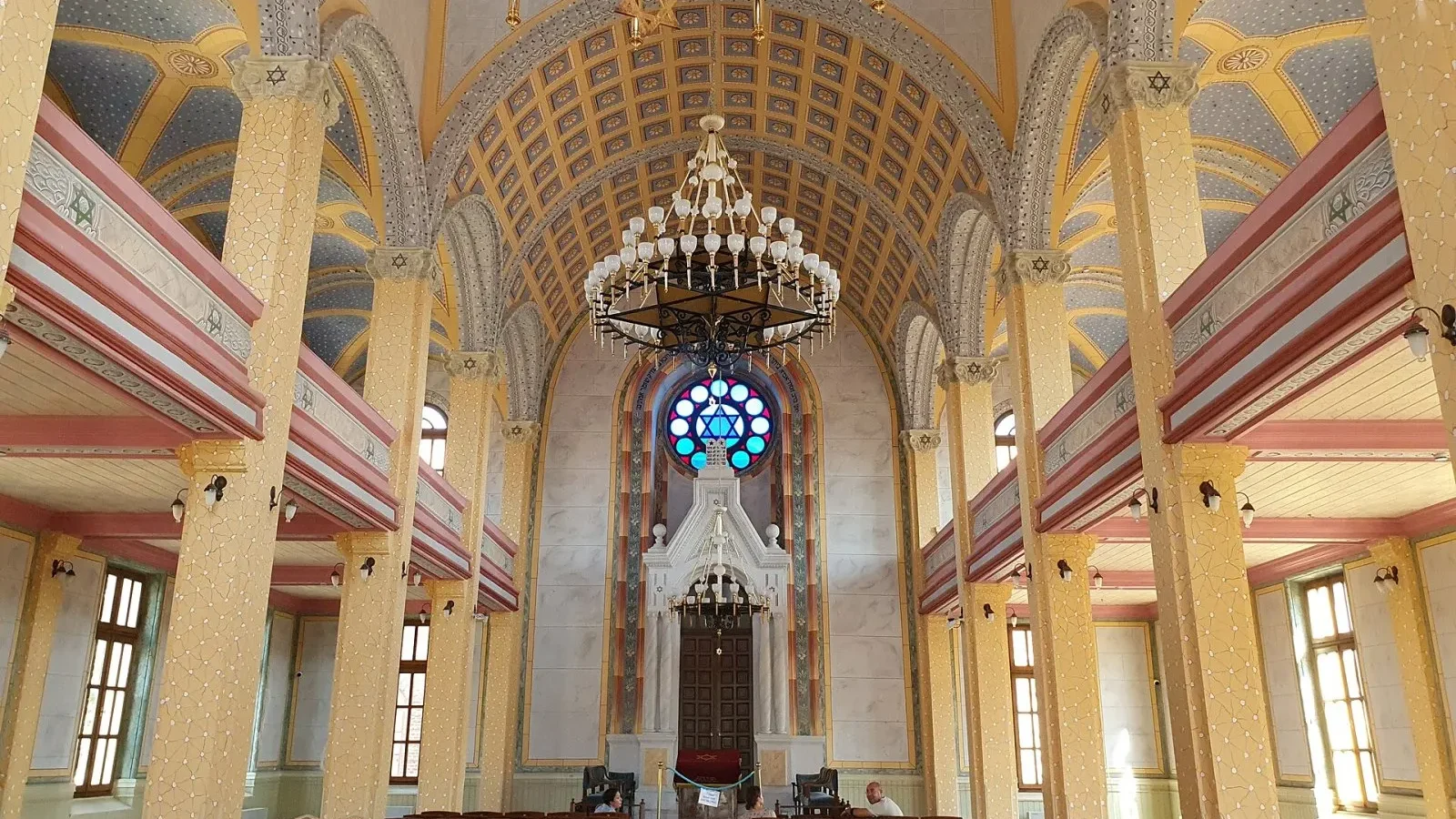
When we stepped inside, the first thing that struck us was the scale of the space. Looking up, the height of the dome and the semi-domes around it seem almost suspended in midair. Yates notes that most visitors fall silent in their first few seconds, one of the effects the architect intended. The symmetry toward the mihrab and the minbar completes the balance.
At the Selimiye, the dome doesn't look down on you; it embraces you.
Mark Ellison
Light dancing with architecture
The Selimiye's windows let light in at different levels. The lower rows provide a gentle glow throughout the day, while the upper windows form a bright ring beneath the dome. When the morning sun comes in from the east, a warm tone appears on the stone surfaces; in the afternoon, the light is cooler and softer. The change gives the impression that the space is constantly renewing itself over the course of the day.
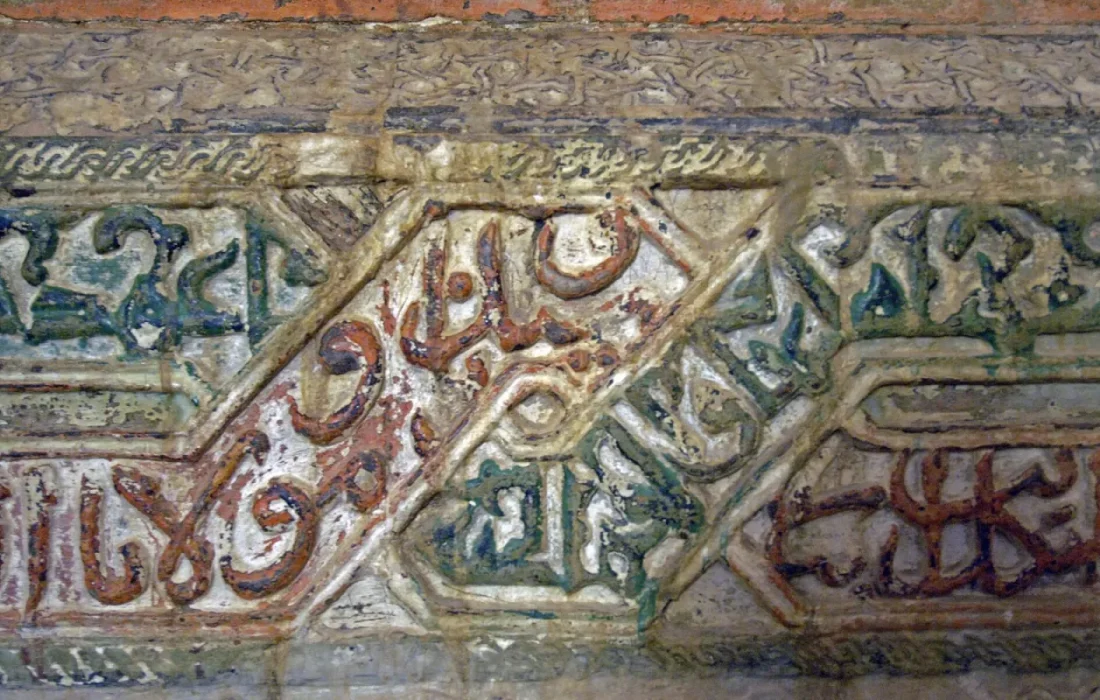
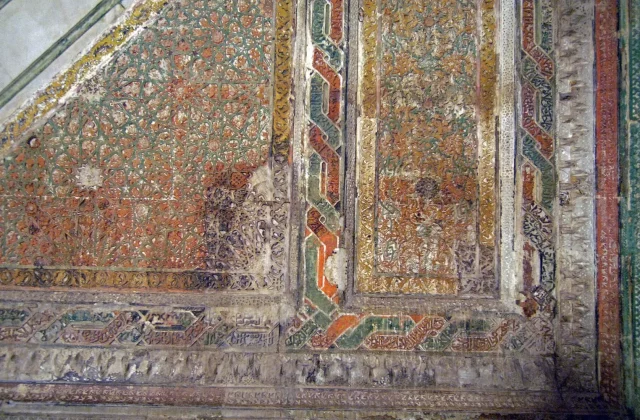
The painted decoration and the tiles come alive with the light, too. Yates explained that Sinan conceived the decoration as an extension of the architecture, with light as the tool that reveals the ornament. We went inside at different times of day and watched how the same wall changed. The experience is as instructive for ordinary visitors as it is for architecture students.
The complex's place in the city
The complex's place in the city is not limited to the mosque. The madrasa, the arcade of shops and the buildings around the courtyard form an ensemble woven into daily life. Small shops in the arcade still sell crafts and souvenirs today. Yates reminds us that when the complex was designed, it was the center of the city's economic and social life. That is why the building's role was never limited to worship.
| Topic | Architecture |
|---|---|
| Highlights | architecture, Ottoman, museum |
| Reading time | 9 minutes |
| Written by | Mark Ellison |
Key takeaways
- Resting on eight columns, the dome creates a sense of uninterrupted interior space.
- The windows let in light in layers, revealing the decoration according to the time of day.
- With its madrasa and arcade of shops, the complex is a living part of the city.
To see the mosque from above, we climbed to a hilltop spot in the city. From here, the relationship between the silhouette of the four minarets and the city is at its clearest. At sunset, the lines the minarets draw against the sky make for an unforgettable view. According to Yates, truly reading the building means spending time both inside and out, and even coming back in different seasons.

Leave a comment