





























































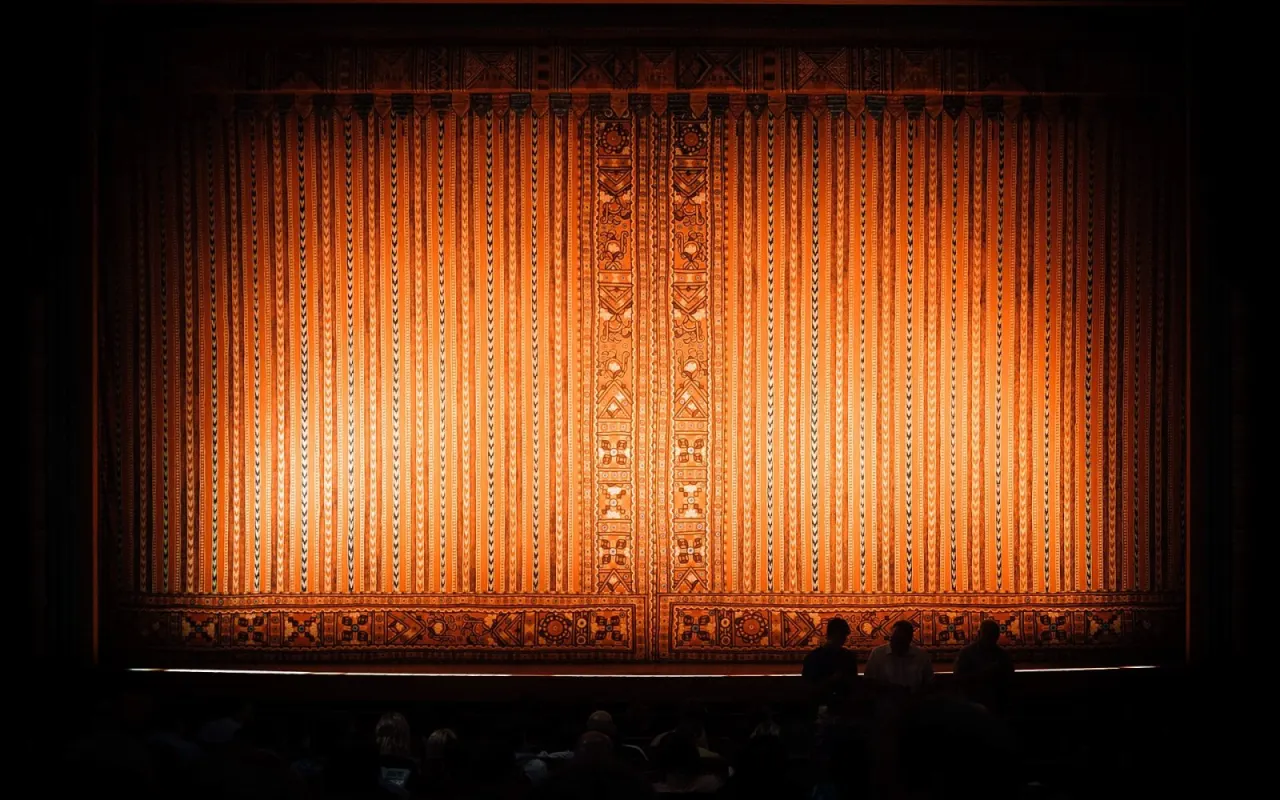

Behind the scenes of a play: Eight weeks from rehearsal room to opening night
We followed the making of a new play for eight weeks. See moments from the first table reads to the final rehearsal before opening night in our gallery.
When we watch a play, we often forget that the two hours on stage are the result of weeks of intense work. To see that work up close, we followed a young theater company's new production for eight weeks. We witnessed the moments when the characters first came to life at the table reads, the flats being painted in the scenery workshop and the tense final rehearsal before opening night. Our gallery brings together the most special moments of that journey.
In this article
- Table reads and first rehearsals
- In the set and costume workshops
- The thrill of opening night
Table reads and first rehearsals
The first week began with the actors and director sitting around a table and reading the script aloud. They discussed at length who the characters are, how their relationships would take shape and what each scene is trying to say. The director describes this stage as laying the play's foundations, because every sentence found at the table later turns into a movement on stage.
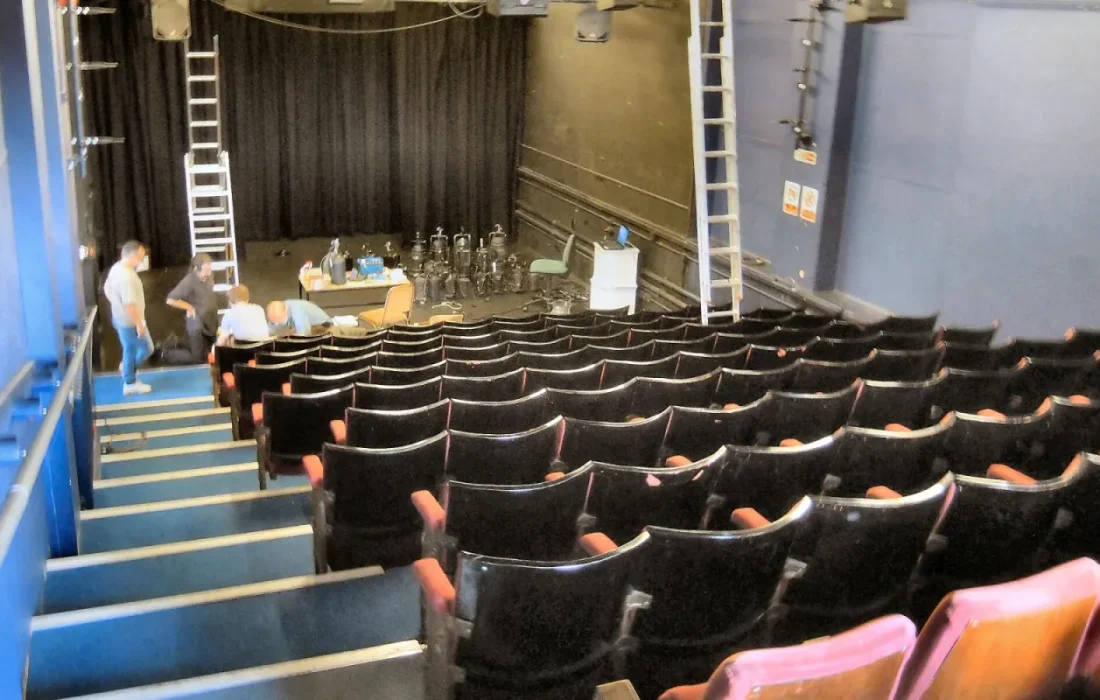
The first rehearsals revealed how hard it is to carry the harmony found at the table onto the stage. While memorizing their lines, the actors also had to learn their blocking. Some scenes were run from the top several times, while others fell into place on the first try. Our gallery features shots of the actors' first steps on stage, scripts in hand. You can also see the director giving notes from the side of the stage and the actors helping one another.
The audience watches for two hours; we live two months for those two hours.
Ethan Brooks
In the set and costume workshops
The scenery workshop was where the play's visual world took shape. Wooden flats were painted by hand, and furniture gathered from flea markets was reworked. The workshop team made sure every piece would look good on stage and could be moved quickly. The smell of paint, sawdust and glasses of tea were the workshop's constant companions. Working late into the night, the youngest members of the team proudly announced each new piece as it was finished.
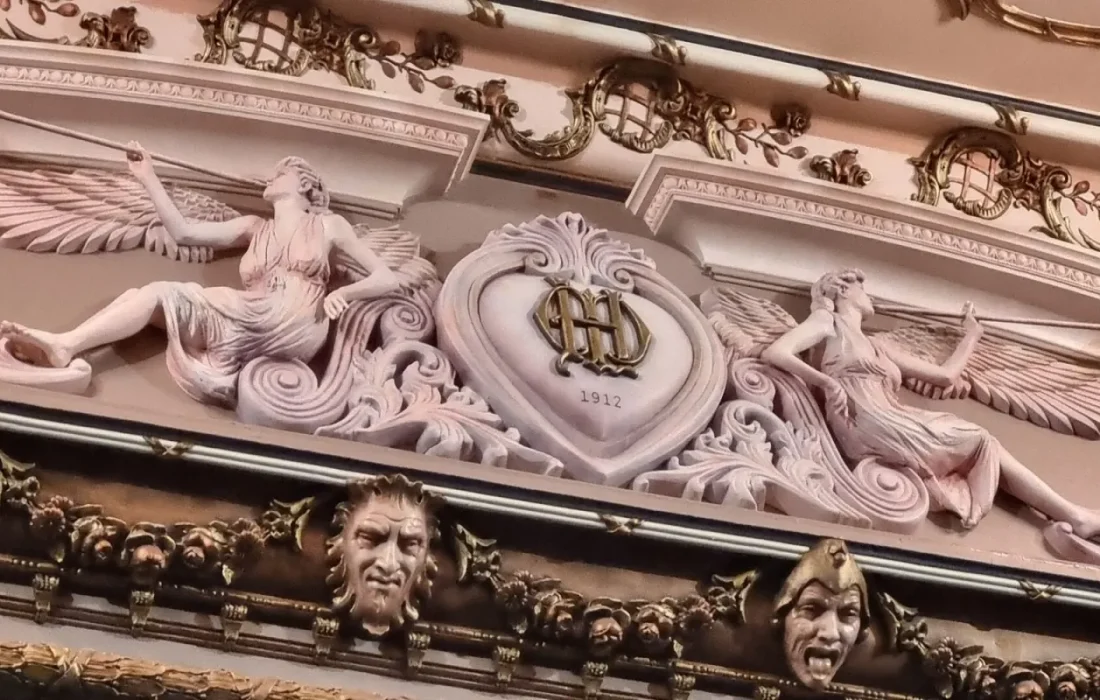
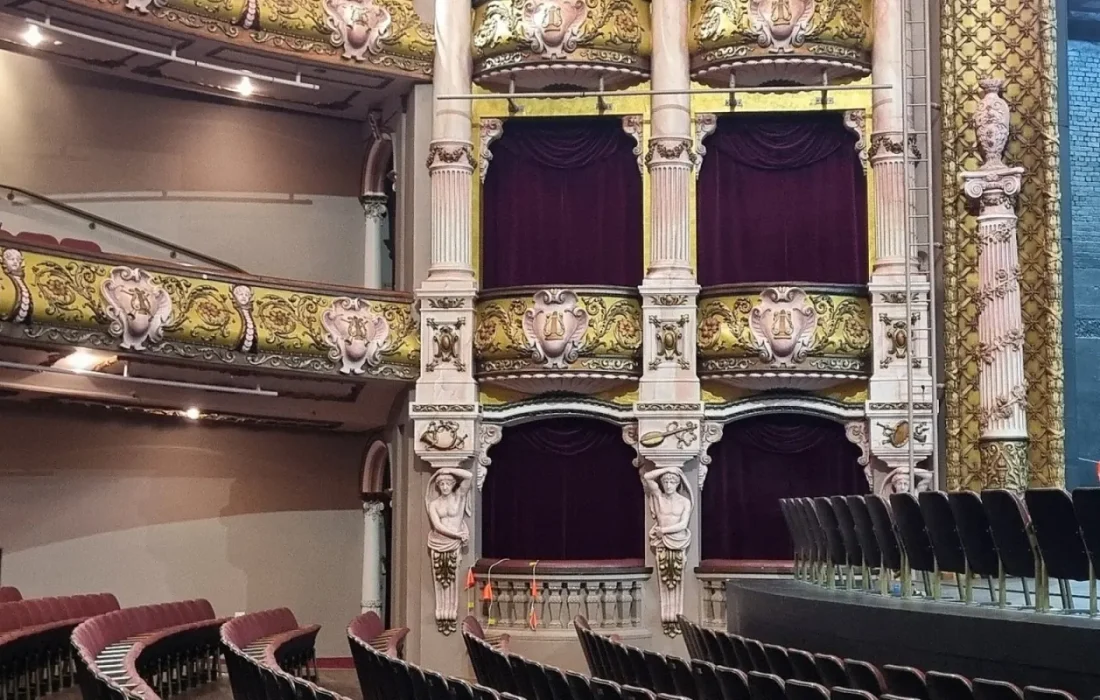
In the costume room, the tailor and the costume designer created clothes reflecting each character's social standing and state of mind. The more the actors tried these clothes on in rehearsals, the closer they felt to their characters. One actor said the tone of his voice changed the moment he first put on his jacket. The images in the gallery capture the quiet but intense work of these workshops.
The thrill of opening night
The final rehearsal before opening night is usually the day tension peaks. The lighting and sound crews made their final adjustments, and the stage manager checked every transition once more. As the actors finished their makeup in front of the dressing-room mirrors, they cheered one another on. Small hiccups were quickly sorted out within the team. After the final rehearsal, the director gave the actors a few brief notes and sent them all home early.
| Topic | Theater |
|---|---|
| Highlights | theater, interview, photography |
| Reading time | 5 minutes |
| Written by | Ethan Brooks |
Key takeaways
- The eight-week process began with table reads and ended on opening night.
- In the set and costume workshops, every piece was handmade or reworked.
- The final rehearsal and opening night brought the team's work to the audience.
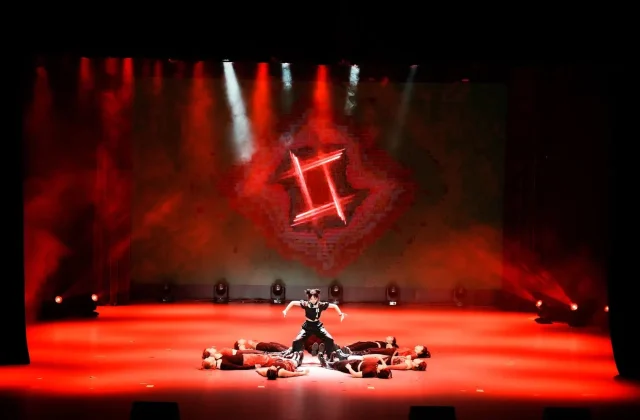
When the curtain rose, the house was full. The crew waiting backstage throughout the performance held its breath for the moment the applause began. The elation backstage after the final bow made eight weeks of work worthwhile. Thanking the team, the director said the real reward of the journey was the time spent together on stage. As the audience left the theater, the crew was already clearing the stage and getting ready for the next performance.
Leave a comment