

























































Going zero waste in the kitchen: seven changes we tried for a month
From glass jars to cloth bags, leftovers to vegetable-scrap stock, we share the seven changes we made in our kitchen over a month and how they turned out.
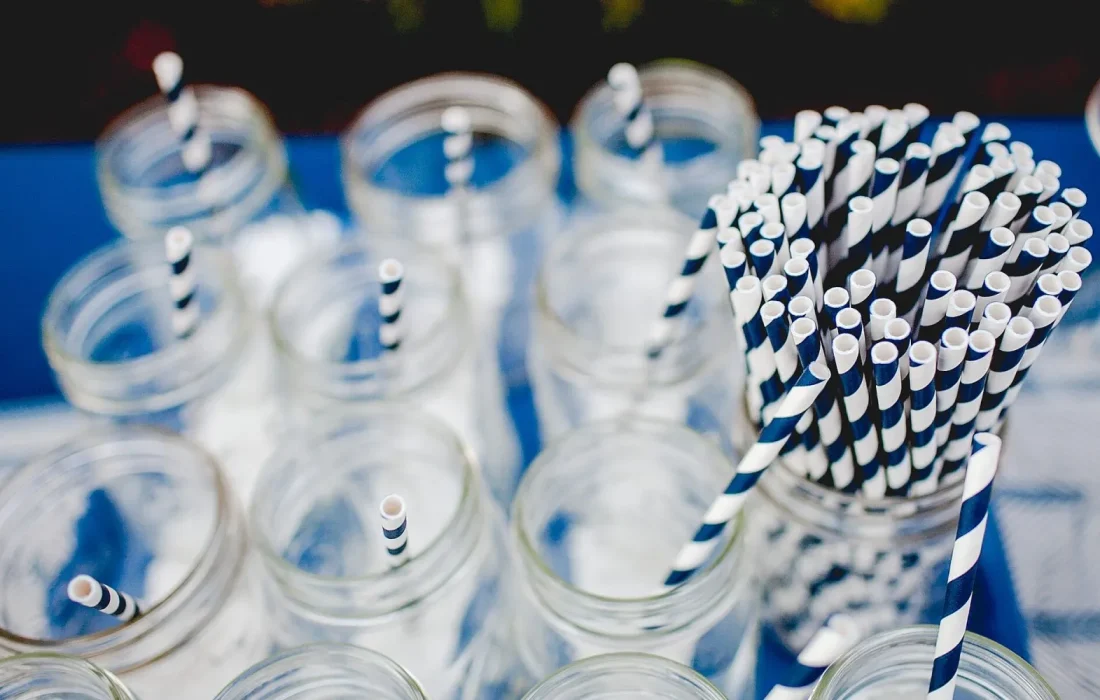
Table of contents
At first, zero-waste living can sound like an impossible goal. So instead of chasing perfection, we decided to make seven small changes in our kitchen for a month. Going to the market with cloth bags, storing dry goods in glass jars and making soup stock from vegetable peels were just a few of them. By the end of the month, our trash can was filling up more slowly and our grocery bills had dropped noticeably.
Rethinking the grocery run
The first change was rethinking how we shop. We wrote the weekly menu in advance and made the grocery list to match, which noticeably cut down on unnecessary purchases. We used cloth bags instead of plastic ones, and mesh bags for tomatoes and cucumbers. At the market and the greengrocer's, we chose unpackaged produce, and the vendors happily filled our bags.
This step brought an unexpected bonus too: getting to know local producers. Chatting with the market vendor, the baker and the corner grocer turned shopping from a quick errand into a social experience. For packaged goods, we chose larger sizes to reduce the amount of plastic. We didn't try to be perfect; we looked for solutions where they were possible. This approach brought us far more joy than we'd expected.
Zero waste isn't about being perfect, it's about throwing away a little less every day.
Emily Carter
Pantries organized with jars
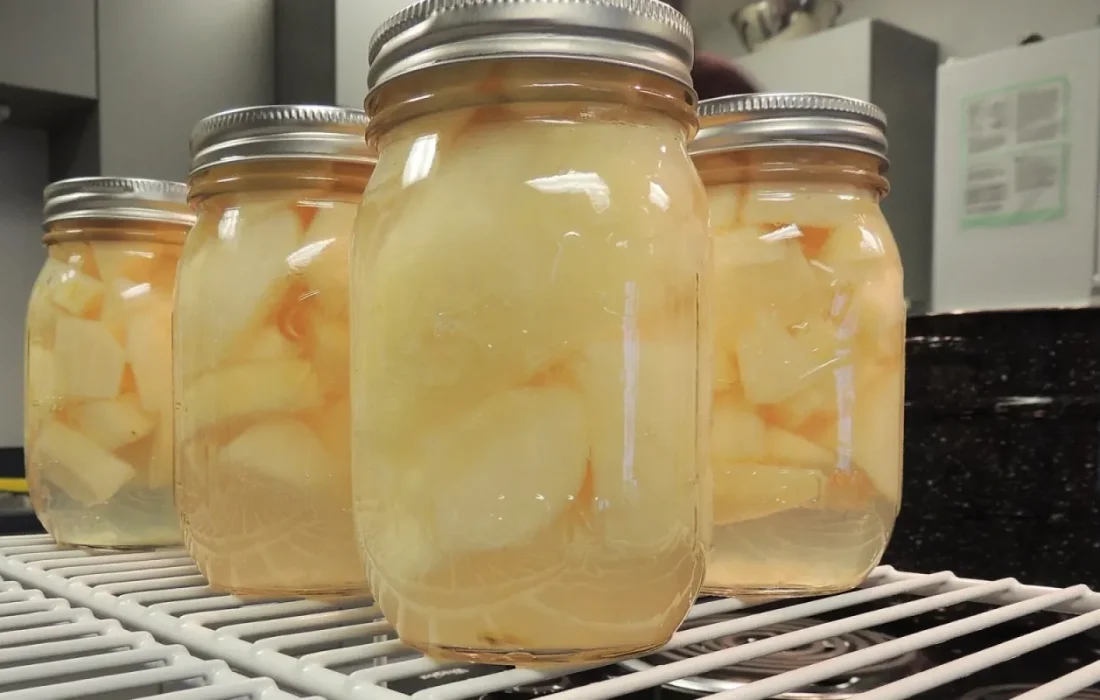
The second change was storing dry goods in glass jars. We transferred lentils, chickpeas, rice, bulgur and pasta into jars, labeled them and lined them up on the shelves. Both the pantry's organization and its look changed; seeing at a glance what was running out prevented unnecessary purchases. Instead of buying new jars, we washed and reused the pickle and jam jars we already had.
If you're looking for long-lasting storage containers, glass, stainless steel and silicone are worth considering. Continuing to use the plastic containers you already have, rather than throwing them away, is a sustainable choice too. Seeing the pantry looking tidy encouraged us, and as the weeks went by we found ourselves more careful about keeping it that way. The empty spaces on the shelves created a sense of airiness too.
The art of using up leftovers
Using up leftovers was the most creative part of the month. The previous day's rice became fried rice, stale bread became breadcrumbs or croutons, and overripe bananas became banana bread. We saved vegetable peels and stems in the freezer and made stock once a week. That stock added a lovely depth to soups and rice dishes.
| Topic | Sustainable Living |
|---|---|
| Highlights | budget-friendly, minimalism, recipe |
| Reading time | 7 minutes |
| Written by | Emily Carter |
Key takeaways
- A menu plan and cloth bags cut down on packaging and waste.
- Glass jars made pantry organization and stock-keeping easier.
- Leftovers and vegetable peels turned into new recipes.
By the end of the month, we noticed we were taking out the trash less often. Our grocery spending also dropped visibly, because we were now focused on finishing what we bought. Of course, we didn't succeed every day; some evenings we ordered takeout. But making small steps stick was far more valuable than perfection. You could start with just one change for a month too.
What do you think about this post?


Leave a comment