































































An unforgettable weekend route through the hidden villages of the Aegean
Far from the crowded resorts, we toured Aegean villages that enchant with their stone houses and olive groves. Here are our two-day itinerary and tips on where to stay.
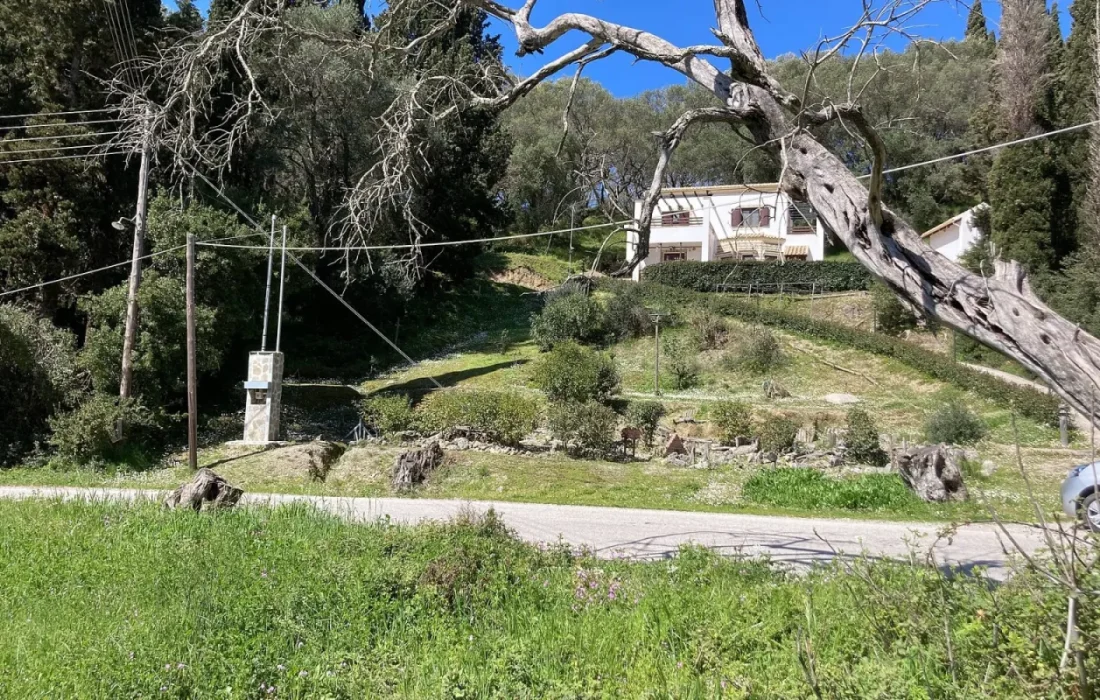
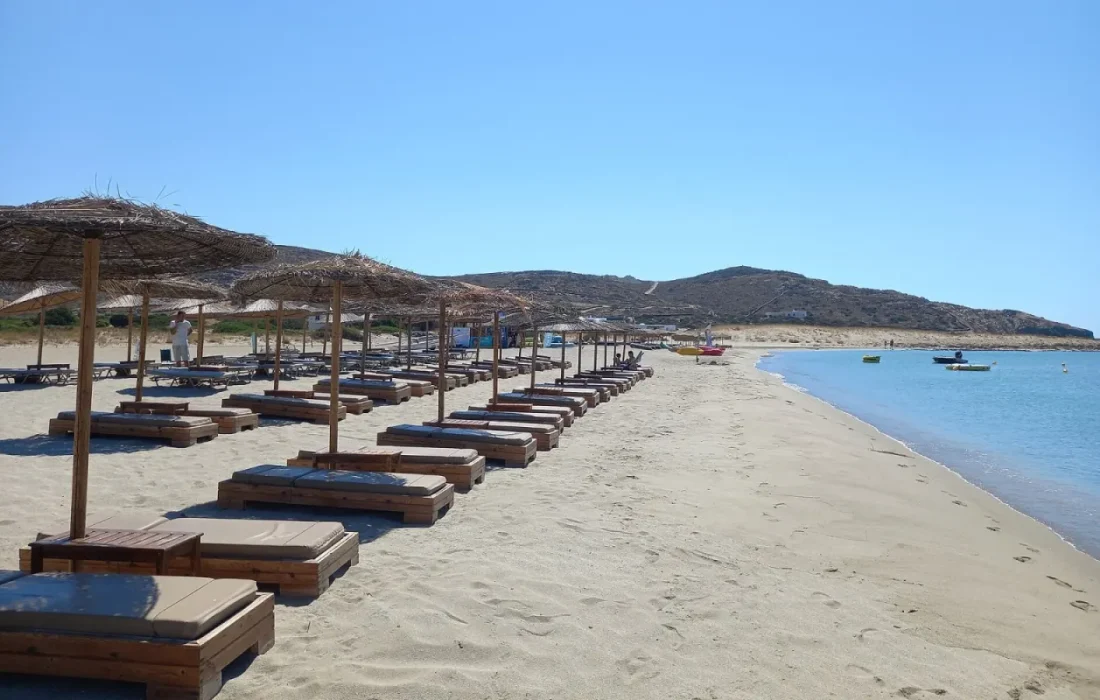


The Aegean may first bring to mind crowded beaches and bustling marinas, but a completely different world lies hidden inland. Narrow stone lanes, centuries-old olive trees, old men playing backgammon at the café and small village markets set up every morning offer visitors a calm and genuine experience. On this weekend route we explored three neighboring villages and captured the best moments in photos for you. At the end of the article you will also find our practical notes on planning the two-day route by car or by public transport.
In this article
- Day one: Among the olive groves
- Day two: The village market and the sea
- Where to stay, what to eat
Day one: Among the olive groves
We set off early on Saturday morning and reached our first stop, a small village surrounded by olive groves. As we walked the narrow lane between stone houses, the morning sun was painting the courtyard walls gold. We had tea at the village café and chatted with the locals, who told us the olive harvest was just around the corner and the trees had borne plenty of fruit this year. Keep your camera handy: every corner is a picture.
In the afternoon we took an easy hour-and-a-half walk through the olive groves along the path leading out of the village. All along the way, the silence that accompanied the centuries-old trunks, stone walls and dry grasses was striking. Comfortable shoes and water are all you need. We recommend heading back to the village before the light fades, because the path gets dark in the evening.

Here, time slows down in the shade of the olive trees.
Mark Ellison
Day two: The village market and the sea
Day two began with the village market, held on a set day each week. The stalls were lined with jams made at home by local women, dried herbs, olive oil and cheeses. The vendors are happy to let you taste, and you can gather everything you need for breakfast in a few steps. Carrying cash is a good idea, since most stalls don't take cards.
After the market, a short drive took us down to one of the quiet coves on the coast. Far from the summer crowds, the cove had only a few fishing boats and a small tea garden. The weather was mild enough that some people went for a swim, while we sat on the rocks and watched the waves. On the way back, picking up a loaf from the village bakery before getting on the main road was a lovely way to end the weekend.
Where to stay, what to eat
For accommodation, the area's small boutique guesthouses converted from stone houses stand out. These places usually have eight to ten rooms, and breakfast is homemade and seasonal. Booking ahead is a must for weekends; rooms fill up fast, especially during the autumn harvest. Don't forget to ask your hosts about nearby walking trails, as most are happy to hand you a map.
| Topic | Travel |
|---|---|
| Highlights | weekend, city guide, inspiration |
| Reading time | 7 minutes |
| Written by | Mark Ellison |
Key takeaways
- The three villages can easily be explored in two days.
- Carrying cash makes things easier at village markets.
- Book your weekend stay at a stone-house guesthouse in advance.
As for food, we recommend trying herb pastries, olive oil vegetable dishes and grilled fish at the restaurants on the village square. Menus are kept short and change with the day's fresh produce. Your own car is the easiest way to get around, but there are also shared minibuses running from the region's towns to the villages. Service can be less frequent on weekends, so it's worth checking the return times in advance.
What do you think about this post?


Leave a comment