



































Barista-quality cups at home for coffee lovers
Sponsored contentThis content was produced as an advertisement / partnership.
With the right beans, the right grind and a few simple tools, you can make coffee at home that's as good as your favorite café's. Expert baristas share step-by-step advice.
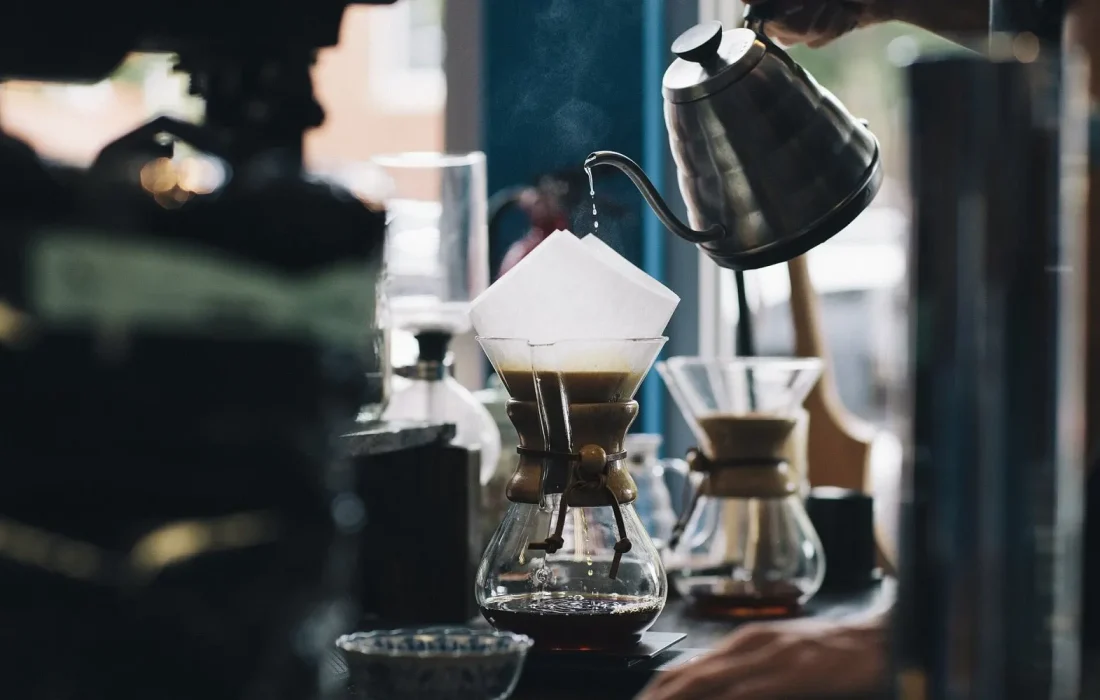
For many of us, the first coffee of the morning is the best moment of the day. Yet the coffee we make at home rarely matches the taste we love at our favorite café. According to baristas, the secret isn't an expensive machine but a few basic rules. Choosing freshly roasted beans, grinding them just before brewing and paying attention to water temperature can completely change what ends up in your cup. In this article, we explain practical ways to reach barista quality at home.
In this article
- Choosing beans and keeping them fresh
- Why grind size matters
- We compared brewing methods
Choosing beans and keeping them fresh
The first requirement for a good cup is fresh beans. Expert baristas recommend beans with the roast date printed on the bag, roasted within the last one to two months. Once opened, storing them in an airtight container away from light and moisture preserves their aroma. Keeping them in the fridge is generally not recommended, as they can pick up odors.
The type of bean and the roast level also shape the flavor. Light roasts carry fruity, acidic notes, while dark roasts bring out chocolate and hazelnut tones. To start, a medium-roast single-origin bean is a good choice. Trying different varieties in small bags and discovering your own taste is the most enjoyable part of the journey.
The secret to great coffee isn't the machine, it's patience and freshness.
Jake Morales
Why grind size matters
Grind size directly affects how long the coffee is in contact with water. Coffee ground too fine turns bitter, while coffee ground too coarse tastes watery and flat. Filter coffee needs a medium grind, a French press a coarse grind and espresso a fine grind. Baristas recommend grinding beans just before brewing, because ground coffee starts losing its aroma within hours.
You don't need a big budget for a serious grinder at home. Hand grinders deliver a remarkably consistent grind despite their affordable prices. Water temperature matters too: letting boiled water rest for a minute and using it at around 200°F (95°C) prevents a burnt taste. Measuring coffee and water with a kitchen scale is an easy way to get the same flavor every time.
We compared brewing methods
We tried four methods with the same beans. The French press delivers a full-bodied, rich cup, and a four-minute steep is enough. Filter coffee gives a clean, light taste, ideal for a big mug in the morning. The moka pot produces an intense, strong coffee and gives excellent results when used carefully over low heat.
| Topic | Food |
|---|---|
| Highlights | coffee, recipe, weekend |
| Reading time | 5 minutes |
| Written by | Jake Morales |
Key takeaways
- Fresh beans with a recent roast date are the foundation of flavor.
- Grind size should be matched to the brewing method.
- Filter, French press, moka pot and pour-over each offer a different character.
Finally, we looked at the pour-over method. It takes a little patience and a gooseneck kettle, but the clarity of aroma in the cup makes all the difference. Which one you choose depends on how much time you have and your own taste. A practical filter on weekday mornings and a calm pour-over ritual on weekends stands out as a balanced combination for most home baristas.
What do you think about this post?
Leave a comment