


























































Old factories become cultural centers: A new life for industrial heritage
Historic factory buildings that once produced tobacco, flour or electricity are finding new life as exhibition halls, libraries and concert venues.
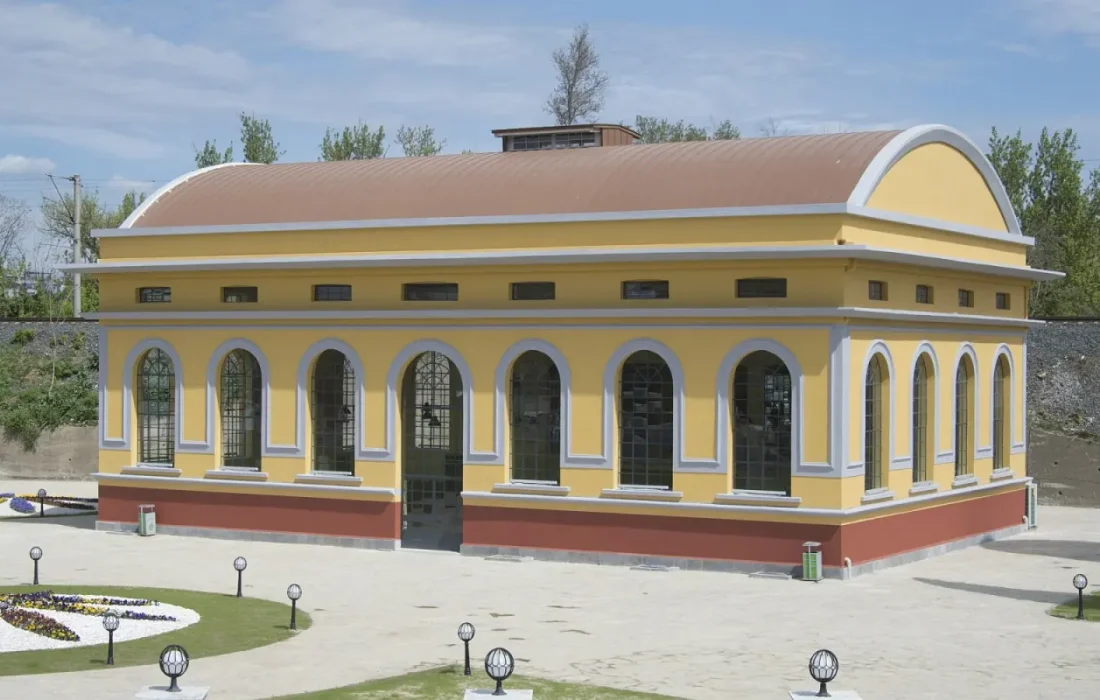
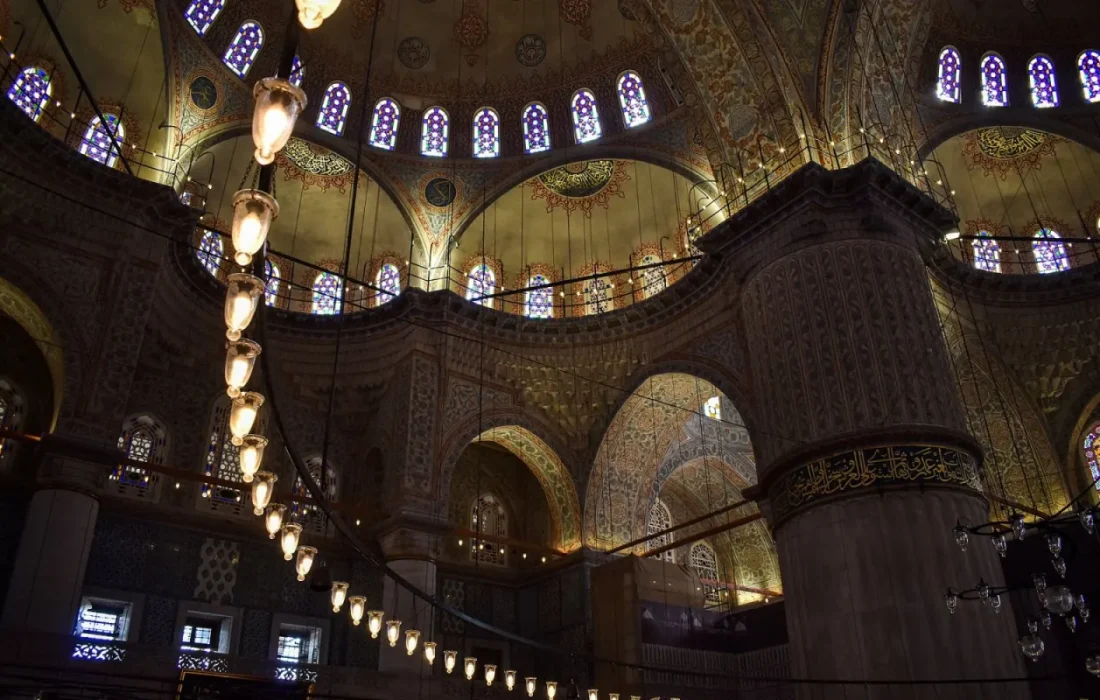
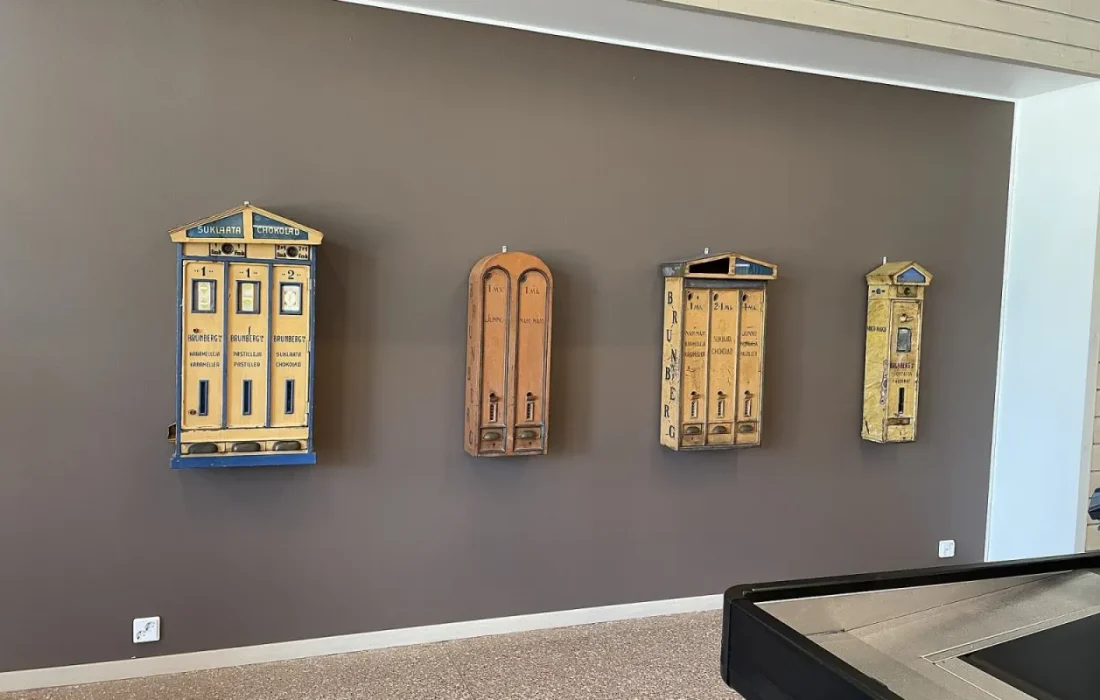
Table of contents
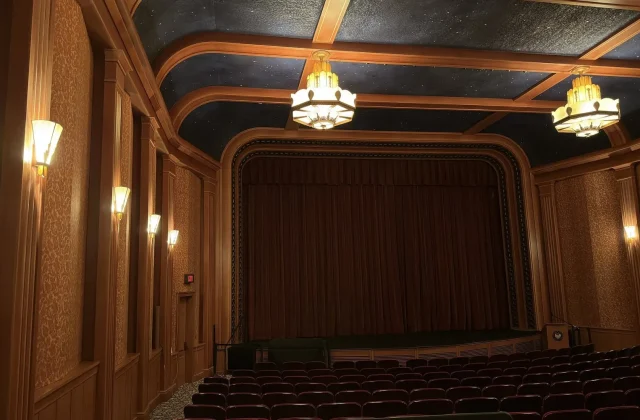
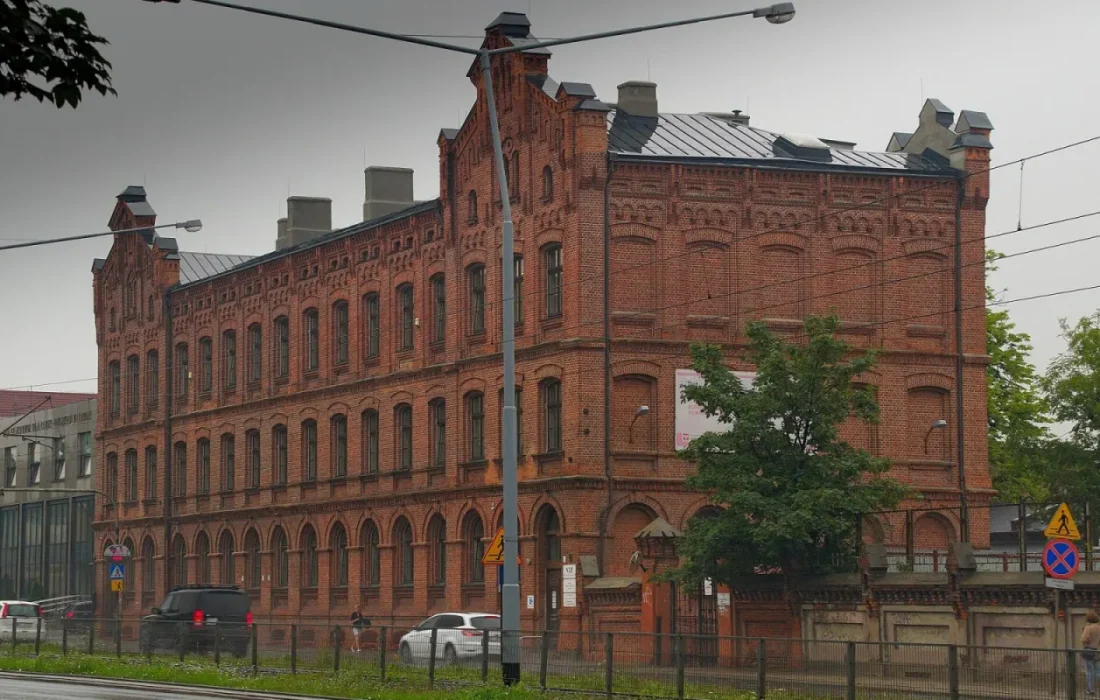
For many years, factory buildings that bear witness to a city's industrial past were seen as structures waiting either to be demolished or to fall into ruin. In recent years, however, many of them have been turned into arts and culture venues while keeping their original character. With high ceilings, wide open spans and brick facades, old factories offer a unique atmosphere for contemporary art exhibitions and concerts. Our gallery features industrial buildings starting a new life in different cities.
Art in the shadow of the smokestacks
An old tobacco factory is now home to exhibition halls and studios. Its brick chimney still holds its place on the city skyline, while large roof windows provide natural light for the galleries. In another city, the silo building of a flour mill has been turned into a library, its circular structure used for reading rooms. The curving walls of the old silo have been preserved in the reading rooms.
Notably, the converted factories include a former power station. Its huge turbine hall has been turned into a venue for concerts and large-scale exhibitions. Visitors see the artwork in this industrial setting alongside the traces left by the machines. The images in our gallery show how these spaces have made the transition from industry to art. Some of the giant cranes have been left in place as museum pieces.
A factory chimney is the longest sentence in a city's memory.
Mark Ellison
The architectural challenges of conversion
The architectural challenges of such a conversion are considerable. Heating high-ceilinged halls, strengthening old concrete structures and ensuring fire safety require serious engineering work. Architects must strike a balance between preserving the original character and adapting the building to today's needs. That balance often emerges only after long debates, detailed surveys and negotiations with heritage boards. Since no single solution fits every factory, each project is shaped by the building's own story.
The most popular way to strike this balance is to make new additions distinct but respectful. Compared with the old brick walls, glass partitions, steel staircases and lightweight extensions clearly show which part belongs to which era. Architects believe this transparency makes the building's history legible, and visitors easily pick up on the difference.
Preserving the city's memory
Preserving industrial heritage also matters for the city's memory. Factories were not just places of production but places where thousands of workers spent their lives. That is why many converted buildings feature small exhibitions and oral history projects about workers' memories. Former employees and their families contribute to these projects with their recorded recollections. In one exhibition, workers' ID cards, photographs and shift schedules are displayed in cases, bringing the factory's daily life back to life.
| Topic | Architecture |
|---|---|
| Highlights | architecture, contemporary art, museum |
| Reading time | 5 minutes |
| Written by | Mark Ellison |
Key takeaways
- Tobacco, flour and power plants are becoming exhibition spaces, libraries and concert venues.
- New additions use transparent solutions that keep the historic fabric legible.
- Oral history projects add workers' memories to the memory of the place.
Local people embracing the space is decisive for a project's success. Residents taking part in exhibitions and workshops keeps the building alive. Old factories are becoming places that look at a city's past and future at the same time; behind every chimney and every iron gate there is still a story to tell. Making those stories visible is also a way for cities to make peace with their own past.
What do you think about this post?

Leave a comment