






























































Are urban rents finally slowing? What the data says
Latest quarterly figures suggest rent growth has eased slightly in major cities. But experts say the picture for tenants remains tough.
Table of contents
Latest quarterly data shared by property platforms point to a slight slowdown in rent growth in major cities. Listings are staying on the market longer, especially in outer districts where new housing supply has increased. Demand in central neighborhoods, however, remains strong. Experts say whether the slowdown lasts will depend on lending conditions and construction costs. According to tenants' associations, the gap between wages and rents is still wide.
The latest in the big cities
The latest quarterly data shared by property platforms show that annual growth in asking rents in major cities slowed markedly compared with the previous period. Listings are staying on the market longer, especially in outer districts where new housing is concentrated. This has led some landlords to rethink their price expectations. Platform officials note that the slowdown is not the same everywhere, with rents still rising fast in some cities.
In central neighborhoods, however, demand remains strong. Apartments close to universities, business districts and public transport continue to be snapped up quickly. Real estate agents say there is little room for negotiation in these areas, that some apartments attract multiple applicants and that rents rarely drop below the original asking price.
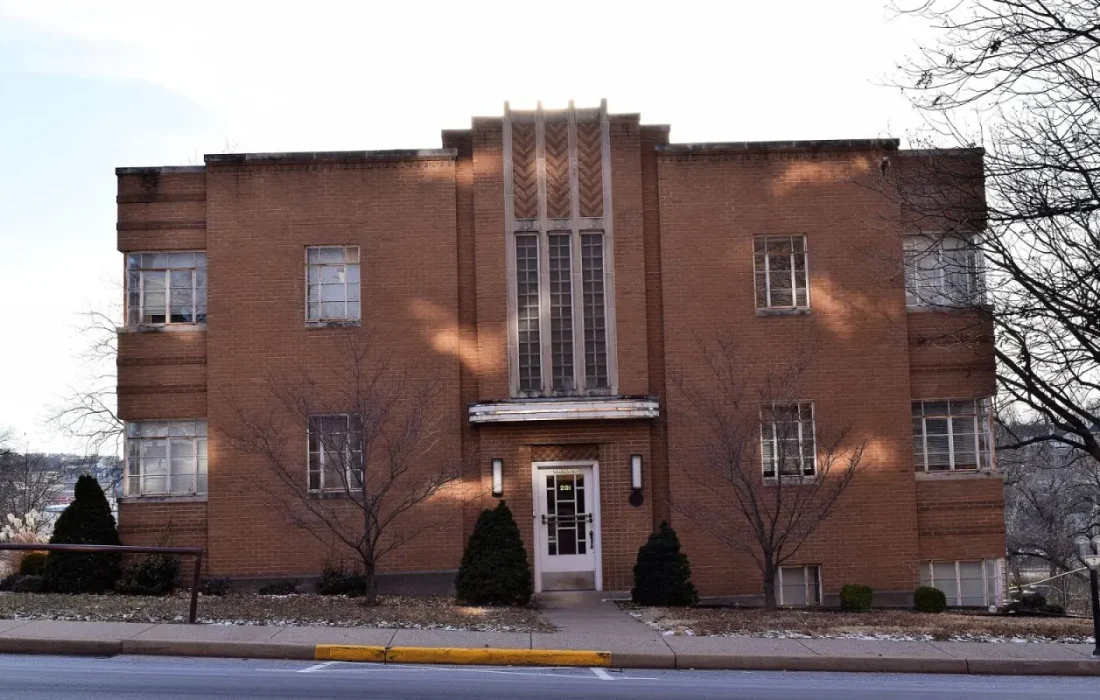
Rents are no longer running as fast, but they are still ahead of wages.
Mark Ellison
What is happening on the supply side?
On the supply side, completed housing projects are bringing new apartments to the market. However, rising construction costs and lending conditions directly affect whether investors choose to rent out their properties. Industry representatives believe the impact of new supply may be limited in the short term, and that lasting relief requires a steady pipeline of new housing. Movements in mortgage rates are also affecting interest in new residential investment, with investors recalculating their short-term returns.
Tenants' associations point out that the gap between wages and rents is still wide. As the share of household income spent on housing rises, it squeezes savings and other spending. The associations argue that expanding social housing and rent support programs at the local level could be an important tool for making the slowdown last. In this context, they say alternatives such as rental assistance programs and housing cooperative models should also be on the table.
Tips for tenants and landlords
The most important advice for tenants is to read the terms of the lease and any limits on increases carefully. Experts recommend getting agreed rent increases in long-term leases in writing and making payments through the bank. Rent that takes up more than a third of the budget is seen as an early warning sign, as it makes it harder for households to cover their other needs. It is also important to check whether rent increases stay within legal limits and, if necessary, to seek expert advice.
| Topic | Economy |
|---|---|
| Highlights | rent, inflation, minimum wage |
| Reading time | 6 minutes |
| Written by | Mark Ellison |
Key takeaways
- Rent growth in major cities eased slightly in the last quarter.
- Demand is strong in central areas, while listings linger in outer districts.
- Tenants' associations say the gap between wages and rents remains wide.
For landlords, the cost of an empty property is rising. Owners who set rents in line with market data and keep their apartments well maintained find tenants faster. Property experts say communication based on mutual trust supports both long-term tenancies and fair pricing. Rather than waiting for prices to fall in the short term, keeping a regular eye on market data is seen as the healthier approach for both sides.
What do you think about this post?



Leave a comment