


























































Getting your home ready for winter: an energy-saving guide
Sponsored contentThis content was produced as an advertisement / partnership.
We have rounded up practical, expert-backed ways to cut your gas and electricity bills. Small changes can add up to big savings over the winter. Our guide includes tips for both tenants and homeowners.
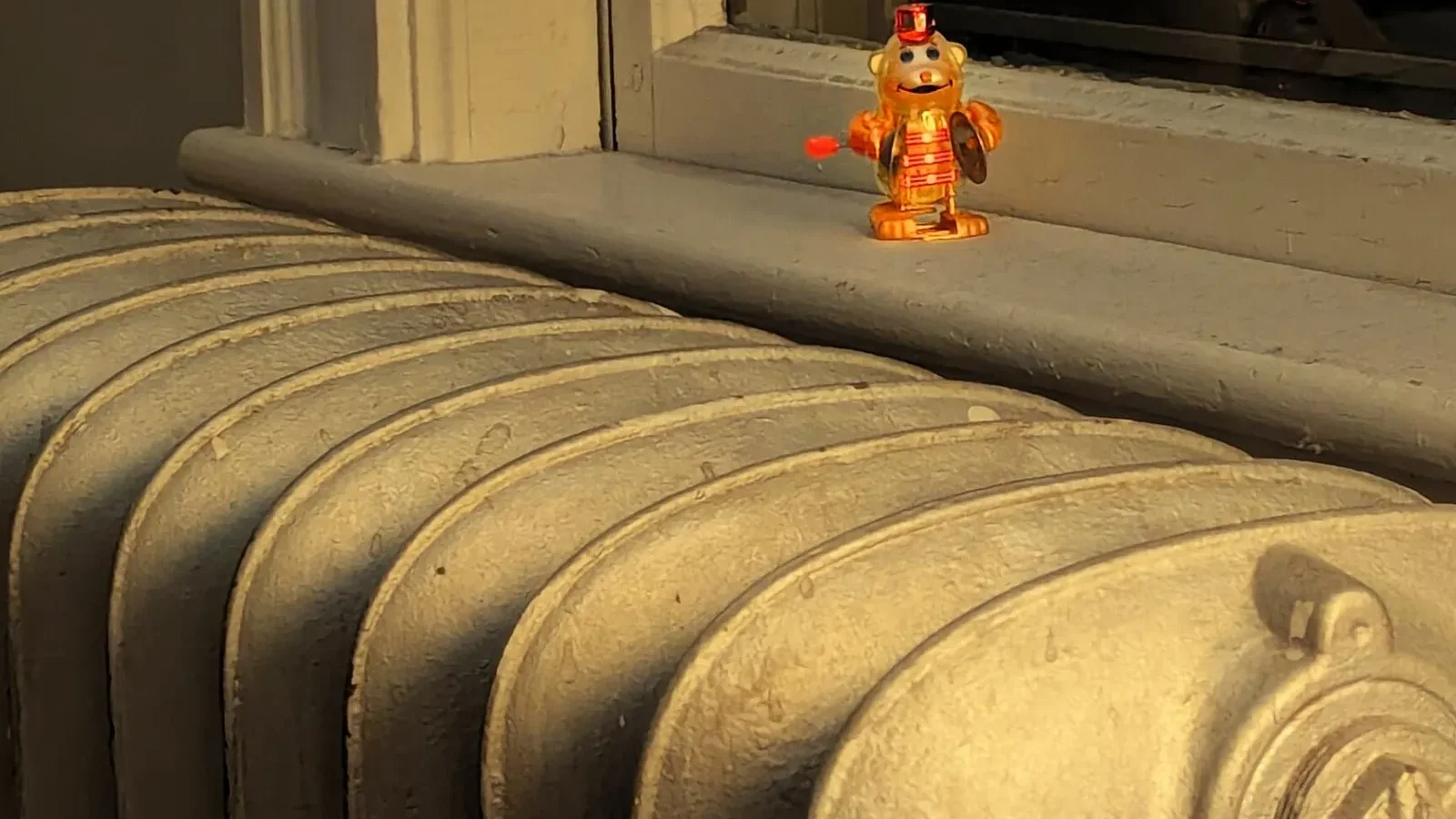
Table of contents
As winter approaches, energy bills once again become one of the biggest items in household budgets. Energy efficiency experts say many simple steps, from sealing small gaps around windows to optimizing boiler settings, can make a noticeable dent in your bills. In this guide, we have brought together easy, low-cost tips. Most of them can be done in a single weekend.
Simple insulation fixes
Most heat loss happens where windows, doors and exterior walls meet. Experts say sealing small gaps at these points with self-adhesive weatherstripping is both a quick and cheap fix. Heavy curtains keep heat inside overnight, while leaving curtains open during the day in sunny rooms helps warm the home naturally.
There are also methods that work for tenants. Reflective panels placed behind radiators, draft stoppers at the bottom of doors and arranging furniture so it does not block radiators all add comfort without any permanent changes. For insulation at the building level, a joint decision with the building management can be more effective. Extra measures under balcony doors and around roller shutter boxes are also small but effective steps that reduce heat loss.
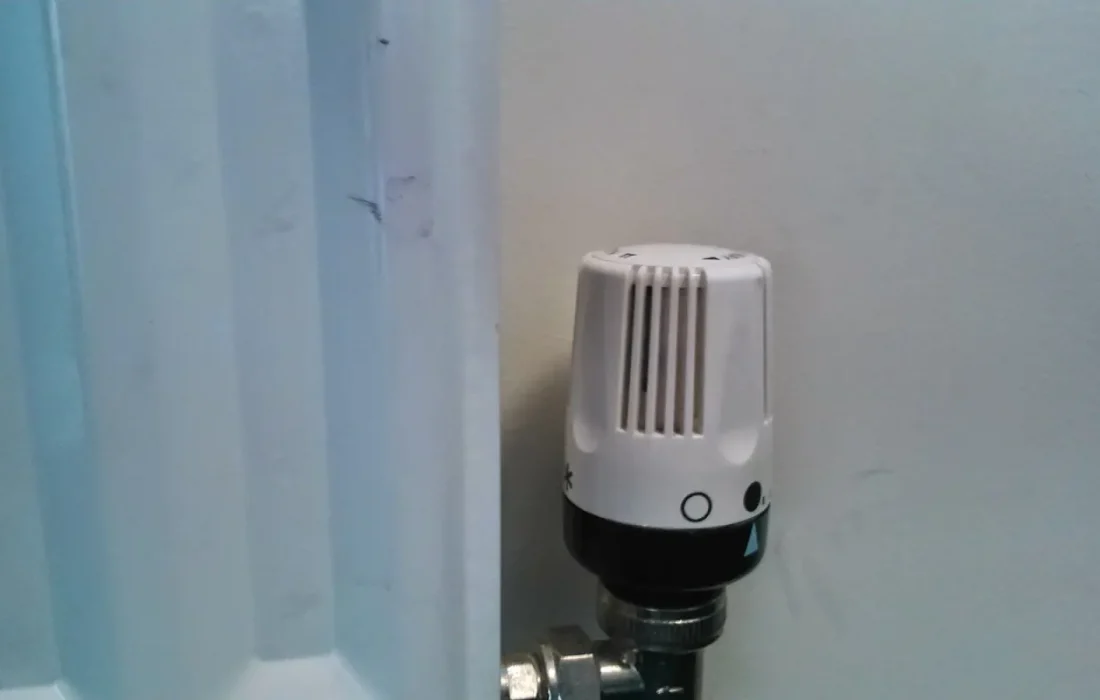
Turning the boiler down by one degree can cut your bill by up to 6%.
Mark Ellison
Common boiler settings myths
The most common boiler mistake is believing that keeping the temperature at maximum heats the apartment faster. Technicians say this puts unnecessary strain on the boiler and that a steady, moderate setting is more efficient. Turning the temperature down a few degrees when no one is home also cuts consumption. Keeping the difference between day and night temperatures small also helps balance comfort and consumption.
Annual servicing and bleeding the radiators are also often neglected. Radiators that have not been bled stay cold at the top, and heat is not distributed evenly. Experts point out that a well-serviced boiler runs more smoothly all winter, in terms of both safety and efficiency. Checking the boiler's pressure gauge from time to time is also useful for spotting potential faults early.
Do smart thermostats really work?
Smart thermostats can learn a household's habits and schedule the heating accordingly. Although the savings claimed by manufacturers vary depending on how they are used, experts say these devices can cut unnecessary heating when programmed correctly. However, factors such as the cost of the device, how well the home is insulated and how people use it should also be taken into account. Before buying one, it can therefore be useful to have a simple energy audit done to show where the home loses heat, or to observe your usage habits for a few weeks.
| Topic | Economy |
|---|---|
| Highlights | climate, inflation, rent |
| Reading time | 8 minutes |
| Written by | Mark Ellison |
Key takeaways
- Sealing gaps around windows and doors is the quickest way to save.
- Keeping the boiler at a high temperature all the time is not efficient.
- How much a smart thermostat helps depends on insulation and usage habits.
Starting with simple measures is often the smarter move. Households can limit consumption by keeping the doors of unused rooms closed during the day, airing rooms briefly but thoroughly and switching to energy-efficient light bulbs. Experts point out that the savings vary with the size of the home and how it is used. Over the winter, small and consistent habits gradually make a clear difference to the bill.
What do you think about this post?


Leave a comment